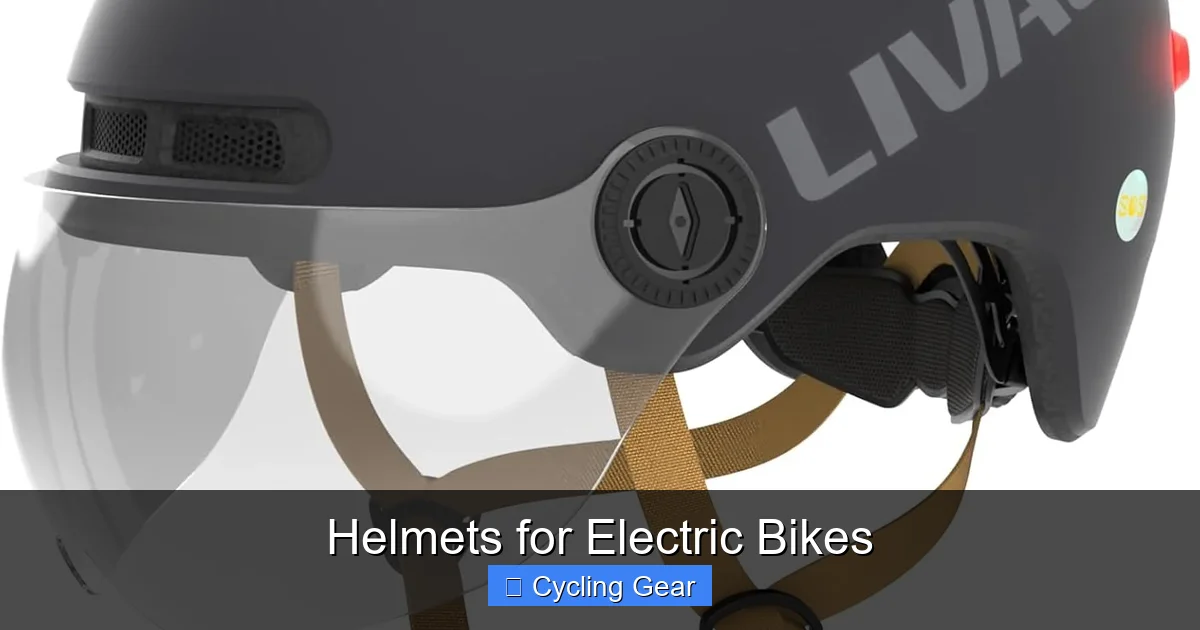
Choose a helmet for your e-bike based on speed, terrain, and fit, not just style. If you ride faster or on rougher routes, look for stronger coverage and the right safety rating.
- Match use: City, trail, and fast riding need different helmet features.
- Check ratings: Safety labels matter more than looks.
- Fit first: A snug, stable helmet is essential.
- Upgrade wisely: MIPS, visors, and lights can add value.
- Replace on time: Swap helmets after major crashes or wear.
Frequently Asked Questions
Do I need a special helmet for an electric bike?
Not always, but faster e-bikes and mixed-surface riding may call for a helmet with higher-speed protection or more coverage. Check your local rules and the product manual, brand guidance, or ask a qualified professional if you are unsure.
What is the best safety standard for e-bike helmets?
CPSC is a common bicycle helmet standard, while NTA 8776 is often discussed for faster e-bikes. The best choice depends on your bike, speed, and where you ride.
How should an e-bike helmet fit?
It should sit level, feel snug, and stay still when you move your head. The straps should form a secure V under the ears and the chin buckle should fasten comfortably.
Do MIPS helmets help on electric bikes?
MIPS and similar systems are designed to help manage rotational forces in angled impacts. They can be a useful feature, but fit and the right safety rating still matter most.
When should I replace my e-bike helmet?
Replace it after a significant crash, or sooner if the brand recommends it or you see damage. Many helmets also have a general replacement timeline based on age and wear, so check the manual.
Are full-face helmets good for electric bikes?
They can be a good choice for fast off-road riding or higher-risk terrain because they add chin and jaw protection. They may feel heavier and warmer, so they are not ideal for every rider.