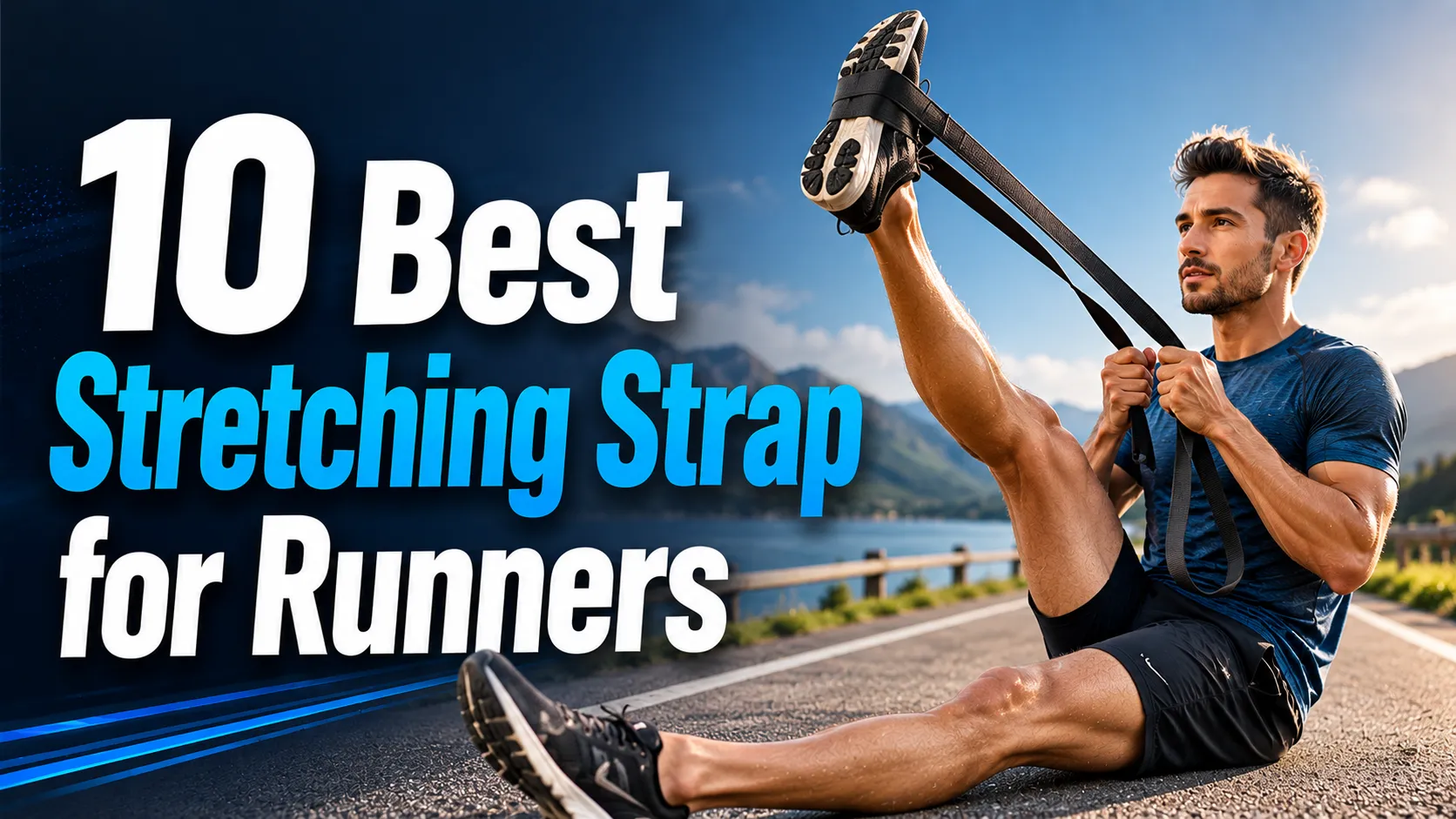
Runners use stretching straps to ease tight muscles, boost flexibility, and speed recovery after hard runs. These simple straps let users hold deeper stretches without losing form, target hamstrings, calves, hips, and shoulders, and work for warm-ups or cooldowns. A good stretching strap helps a runner reach and hold stretches safely, reduces strain from overstretching, and fits easily into a gym bag.
Not all straps are the same. Material, length, handle design, and loop placement change how well a strap fits different body sizes and goals. Runners should pay close attention to strap length for reach, width and padding for comfort, and durable stitching or hardware for long-term use. These factors determine whether a strap supports progress in flexibility or becomes a short-lived accessory that rubs or slips during use.
10 Best Stretching Straps for Runners
Below is a carefully chosen list of the best stretching straps for runners. It highlights durable, easy-to-use straps that help improve flexibility, reduce injury risk, and speed recovery.
OPTP Stretch Out Strap

It is a solid choice for runners who want a durable, easy-to-use strap to improve flexibility and aid recovery.
Pros
- Durable nylon webbing with many loop options.
- Comes with an exercise booklet and video guide.
- Trusted long-running brand often used in therapy settings.
Cons
- Non-elastic design may feel rigid for some users.
- Limited color and style choices.
- Not a replacement for hands-on therapy when needed.
The strap offers clear looped handles that help runners target hamstrings, calves, hips, and lower back without complicated setup. It focuses on steady, controlled stretches rather than dynamic resistance, which suits cool-downs and mobility work.
Many users like that the strap is simple and built to last, and the included booklet makes it easy to try new stretches. Runners who prefer stretchy bands or need variable resistance may find this too firm for their taste.
They will get a straightforward tool that can fit into travel or gym bags and used before or after runs to keep muscles limber. Find it on Amazon: OPTP The Original Stretch Out Strap with Exercise Book.
Gaiam Restore Stretch Strap

It is a good buy for runners who want a simple, looped stretch strap to improve flexibility and ease tight muscles.
Pros
- Multiple numbered loops let users progress gradually.
- Medium stretch gives a balance of support and flexibility.
- Lightweight and easy to pack for travel or gym bags.
Cons
- Might feel short for very tall users or long-legged runners.
- Elastic gives less passive hold than a non-stretch strap.
- Polyester material can rub if used without care.
The strap’s looped design helps runners reach hamstrings, calves, and hips without straining. The numbered loops make it simple to pick a gentler or deeper stretch.
This band works well before and after runs for loosening tight areas or adding small resistance. Its medium tension fits many fitness levels, but those needing stronger resistance may want a thicker option.
They can tuck this strap into a bag and use the downloadable guide to get started. Users should check length if they are tall or want more reach.
CTRL Sports Stretch Strap (10-Loop)

This strap is a solid pick for runners who want an easy, stable tool to improve flexibility and target hamstrings and calves.
Pros
- Strong, non-elastic nylon gives steady support.
- Numbered loops help adjust stretch length quickly.
- Comfortable neoprene handles reduce hand strain.
Cons
- Some buyers report the carry bag or guide was missing.
- Not stretchy — may feel stiff for users who prefer elastic bands.
- Loop spacing may not fit every body size perfectly.
The strap uses a non-elastic design that keeps stretches controlled. Runners can hold position without the band recoiling, which helps when working on tight hamstrings or calves.
Numbered loops make finding the same position simple from session to session. This helps track progress or repeat a physical-therapy move without guessing.
A few users said the promised bag or guide did not arrive, so check the package contents when it comes. The strap is very sturdy, but people who like stretchy bands will find it different.
Overall, the CTRL Sports strap gives clear, stable feedback during stretches and suits runners who want a durable, looped strap to help with flexibility and recovery.
KneeSled Ultra Stretch Strap

This strap is a solid pick for runners who need controlled, progressive leg stretches to aid recovery and boost flexibility.
Pros
- Multiple loops let users pick gentle to deep stretches.
- Lightweight and long enough for taller users.
- Comes with basic exercise guidance for rehab.
Cons
- Strap material does not stretch, so tension is fixed.
- Simple design may feel basic compared with padded models.
- Loop edges can feel narrow under pressure.
The KneeSled gives clear loop options so a runner can adjust stretch depth without guessing. It suits people rehabbing knees or working on hamstring and calf flexibility.
Its lightweight nylon keeps packing easy for runs or travel. The lack of elastic means the pull stays consistent, which some users prefer for steady progress.
Basic instruction notes help new users pick safe moves. Those wanting cushioned straps or built-in padding might look at alternatives.
Pure PT Stretch Strap
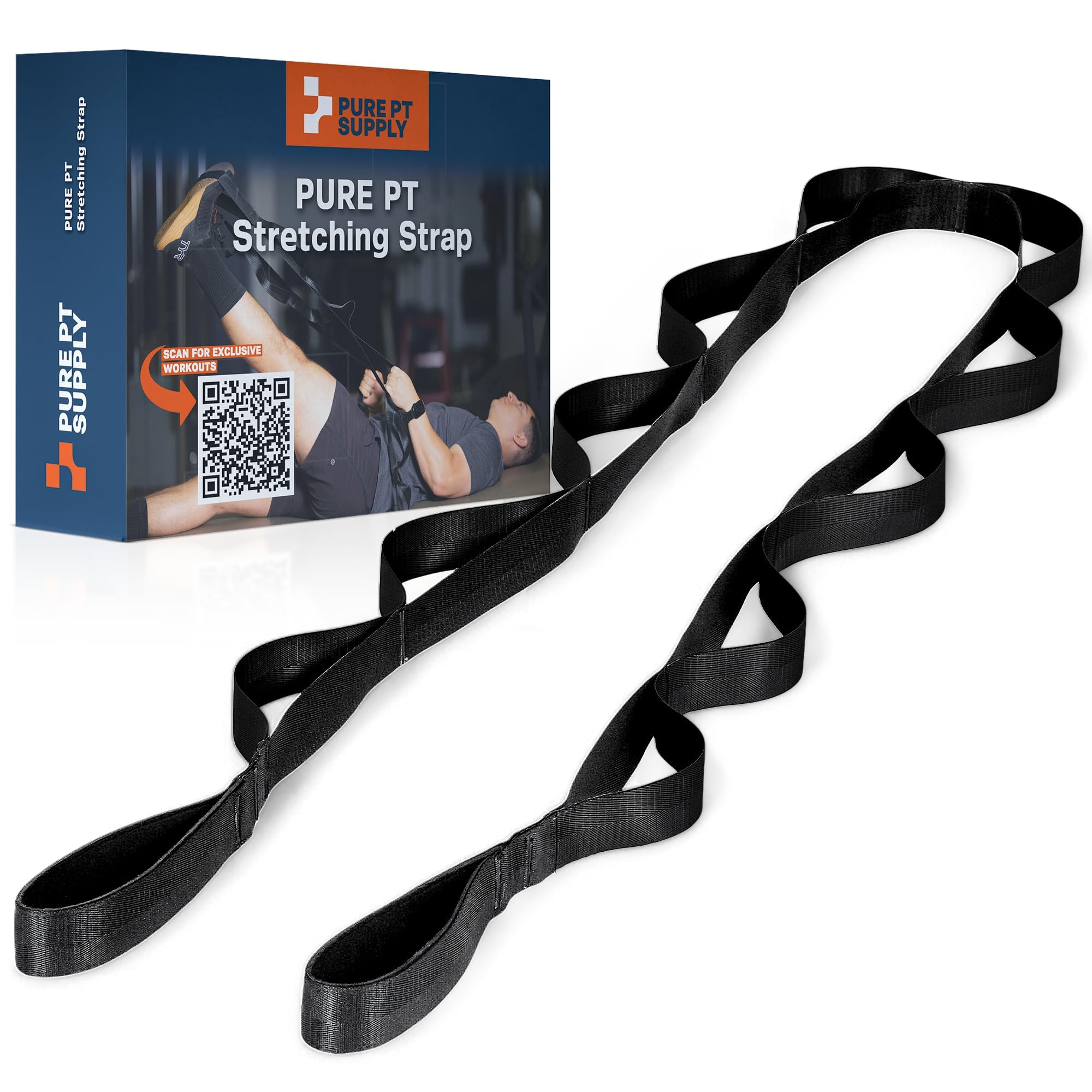
This strap is a solid buy for runners who want a durable, therapist-approved tool to improve flexibility and rehab injuries.
Pros
- Very durable nylon that feels like a seatbelt.
- Ten loops make it easy to find the right length for different stretches.
- Includes guided videos to help with safe routines.
Cons
- Non-elastic design can feel stiff for users who prefer stretchier bands.
- Handles and loop spacing may be awkward for shorter users.
- Not a complete rehab solution on its own; follow professional guidance when needed.
The strap aims to boost range of motion and cut down tightness after runs. It works for hamstring, calf, and hip stretches and suits yoga or PT-style routines.
Its heavy-duty stitching and long length help taller people reach deeper stretches. The lightweight build also makes it easy to toss in a gym bag or luggage.
Guided videos can help runners use the strap safely and get consistent progress. They offer step-by-step moves rather than leaving users to guess.
Overall, it fits runners who want a tough, no-frills strap that professionals trust, though some may miss a bit of elasticity or need different loop spacing for smaller frames.
Trideer Stretch Loop Strap
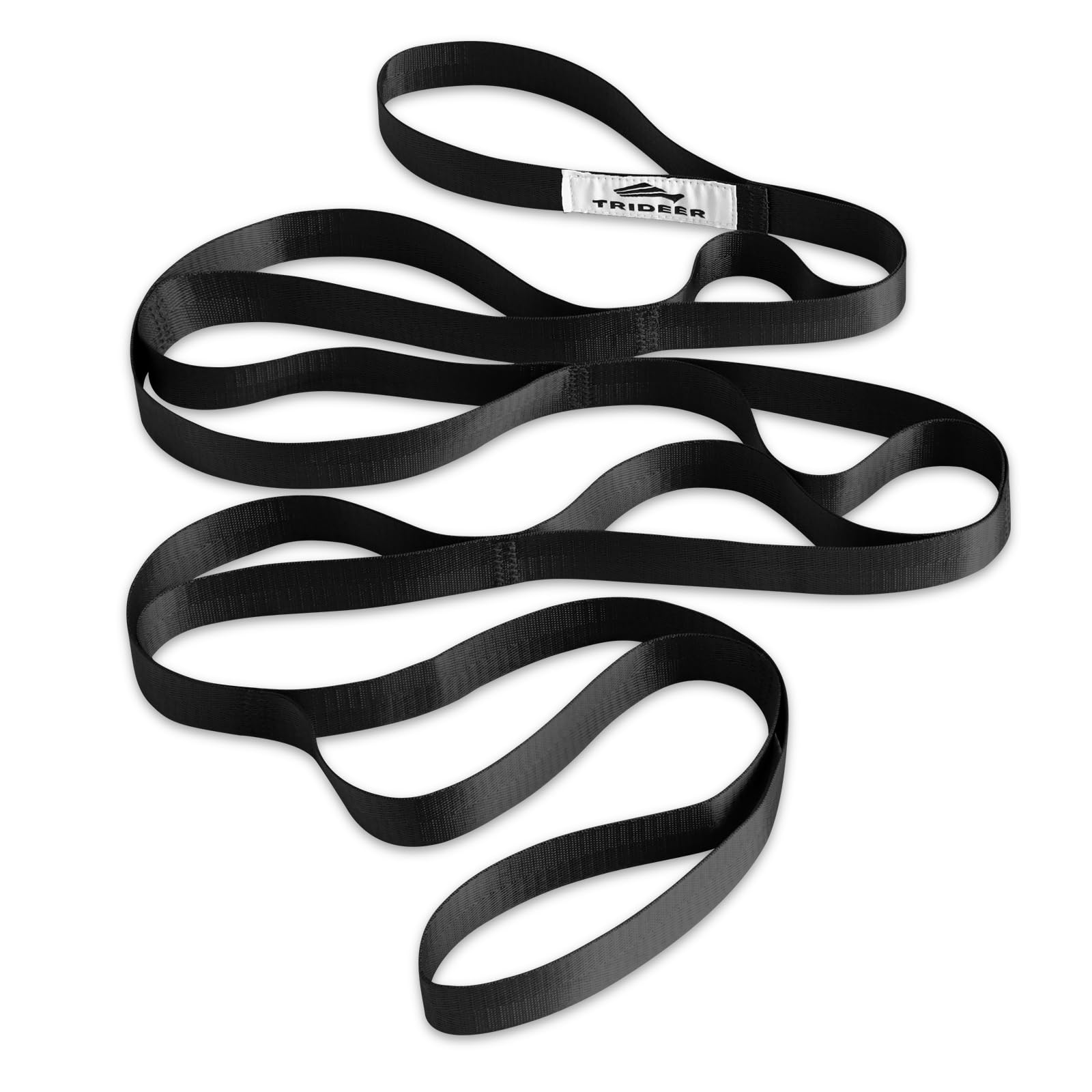
It is a solid choice for runners who want a simple, durable strap to improve flexibility and aid recovery.
Pros
- Durable material with reinforced stitching
- Multiple loops make progressive stretches easier
- Lightweight and travel-friendly
Cons
- Not elastic, so it won’t provide resistance training
- Single width may feel narrow for some hands
- Color may differ from images
The strap uses a non-stretch, woven web with stitched loops to give runners fixed hand and foot positions during stretches. It helps target hamstrings, calves, hips, and shoulders without needing a partner.
Runners will like that the loops let them change leverage easily. That makes it simple to move from gentle holds to deeper stretches as flexibility improves.
The build looks aimed at regular use and home rehab. Some buyers noted the color can be darker than shown, and the 1″ width may feel slim for those who prefer a thicker grip.
Overall, the Trideer strap gives a practical, no-frills tool to add controlled stretching to warm-ups and cooldowns.
Gaiam 6ft Yoga Stretch Strap

It is a solid, simple strap that helps runners deepen stretches safely and hold poses longer.
Pros
- Durable weave that resists fraying.
- Metal D-ring stays put for secure adjustments.
- Long enough for most users to reach limbs comfortably.
Cons
- Cotton/poly blend can feel stiff at first.
- May be short for very tall users or advanced poses.
- No visible brand marking on the strap.
This strap gives runners a reliable way to increase hamstring and calf range without pushing too hard. It helps maintain shoulder and back alignment while reaching farther.
The double D-ring makes quick size changes easy so a user can move between stretches fast. The material rolls up small and fits into a gym bag.
Some may find the texture a bit firm at first, but it softens with use. Taller runners should check length needs before buying.
Gaiam Restore Stretch Strap

This strap is a solid pick for runners who want a simple, multi-loop tool to improve flexibility and ease tight hips and hamstrings.
Pros
- Multiple grip loops let users change leverage and stretch depth.
- Padded center adds comfort for seated or supine work.
- Long length fits most heights and body sizes.
Cons
- The pad is fixed and not as stiff as some users might prefer.
- Instruction poster has limited exercise options.
- Simple design lacks extra features some athletes want.
The Gaiam Restore stretch strap gives runners an easy way to hold stretches longer and reach deeper without straining. It focuses on basic function: loops for different grips and a center pad for comfort.
It works well for hamstrings, calves, and hip stretches that runners use after runs or before workouts. The many loops help tailor the stretch for different leg lengths and mobility levels.
Some users will want a firmer pad or more detailed instruction materials. Still, the strap’s length and loop layout make it useful for most people who need a reliable, portable stretching tool.
Abiarst Stretch Strap (Green)

It is a solid, simple strap that many runners can use to improve flexibility and speed recovery at a low cost.
Pros
- Strong, non-elastic fabric that holds shape.
- Ten loops give many hand/foot positions for targeted stretches.
- Easy to wash and built to resist fraying.
Cons
- Single-width design may feel narrow for some users.
- No padding on loops can be uncomfortable on bare skin.
- Longer length can be awkward if a runner prefers a shorter strap.
The strap focuses on basic function rather than bells and whistles. It works well for hamstring, calf, and hip stretches and fits many rehab and yoga moves.
Runners who need a durable, no-frills tool should find it useful for post-run mobility, helping increase range of motion and easing tight muscles. The non-elastic nylon keeps tension predictable during use.
Some users may want a wider or padded option for more comfort, but the low price and sturdy build make this a practical pick for routine stretching and physical therapy work.
Trideer Stretch Strap

It is a solid, simple strap runners can use to improve flexibility and support rehab work.
Pros
- Durable fabric and reinforced stitching.
- Many loops for easy positioning and progress.
- Lightweight and portable for travel.
Cons
- Not elastic, so it won’t provide dynamic resistance.
- Single-width strap may feel narrow for some users.
- No built-in padding on loops for extra comfort.
This strap copies the physical therapy style used in clinics. It gives clear anchor points for hands and feet, so runners can target calves, hamstrings, hips, and shoulders. The 75-inch length fits taller users and allows a wide range of stretches.
It suits runners who need simple, steady assistance for hamstring and calf stretches or post-run recovery. The non-elastic webbing lets users control the stretch precisely. Trainers and PTs often recommend this kind of strap for safe range-of-motion work.
It packs small and comes with a storage bag, so runners can toss it in a gym bag or carry-on. The strap is quiet and low-maintenance; a quick hand wash will keep it clean. For someone who wants a no-frills, clinic-style tool, this is a practical choice.
Buying Guide
Choose a strap that fits the runner’s goals and body size. It should feel comfortable and not cut into skin during use.
Look for material that is durable but gentle. Soft nylon or stretch webbing usually balances strength and comfort. Check for reinforced stitching at attachment points.
Consider length and adjustability. A longer strap works for tall users and deep stretches. Adjustable loops let the user change tension and hold positions easily.
Check the number and style of loops. More loops give finer control over range of motion. Closed loops add safety for certain holds.
Assess portability and weight. Lightweight straps pack easily for runs and travel. A small carrying pouch or strap that rolls up helps with storage.
Evaluate hardware and fastenings. Metal buckles are sturdy but may add weight. Plastic or composite fittings reduce weight and avoid rust. Ensure any buckle locks securely.
Think about grip and feel. Textured webbing or raised edges help hold the foot or limb in place. Smooth straps may slip, especially when hands are sweaty.
Look for care instructions. Machine-washable straps save time. Stain-resistant or quick-dry materials are useful after outdoor use.
Compare price to features and warranty. A higher price can mean better materials or a longer warranty. The warranty shows the maker’s confidence in durability.
Editor’s Choice
The editor picks the ProStretch Runner Strap as the best all-around option for most runners. It balances durability, adjustable loops, and a soft yet grippy fabric that stays comfortable during long sessions.
They like the wide range of loop positions. This makes it easy to change intensity without help. Runners can use it for hamstrings, calves, hips, and glutes.
The strap includes clear length markings and a stitched handle for secure grip. These small features help beginners learn proper form and let experienced athletes fine-tune stretches.
Key specs at a glance:
- Material: nylon blend with reinforced stitching
- Length: 6.5–8 feet (adjustable)
- Loops: 8+ positions for varied stretches
- Extras: storage bag, illustrated guide
It performs well on both indoor and outdoor surfaces. The fabric resists slipping and dries quickly after sweat or rain, which adds practical value.
They note one trade-off: the price sits above budget straps. Still, the build quality and useful features justify the cost for runners who stretch regularly and want reliable gear.
FAQS
What is a stretching strap and why use one?
A stretching strap is a simple tool with loops or buckles that helps hold the leg or foot in place. It lets a runner get deeper, safer stretches and can improve flexibility over time.
How often should a runner use a strap?
They can use it daily or after runs to aid recovery. Even 5–10 minutes focused on key muscles like calves and hamstrings helps.
Which strap features matter most?
Look for durable material, multiple loops, and a comfortable width. Adjustable length and a soft grip make it easier to use for different stretches.
Can beginners use a stretching strap?
Yes. A strap guides safe positions and helps beginners reach proper form without forcing a stretch. Start gently and increase intensity gradually.
Is it safe with injuries?
They should consult a doctor or physical therapist first. A strap can help rehab when used with professional advice, but it may worsen some conditions if used incorrectly.
How to clean and store a strap?
Most straps are machine-washable or can be hand-washed with mild soap. Let them air dry and store them flat or rolled to avoid kinks.
Are more expensive straps better?
Price can reflect build quality and extra features, but basic straps often work well. Compare materials, warranty, and user reviews before buying.
Conclusion
A good stretching strap helps runners improve flexibility, reduce tightness, and support recovery. They vary by material, length, and handle design, so choice depends on needs and budget.
Recommend straps with strong stitching and multiple loops for safer, adjustable stretches. Lightweight nylon works for durability; cotton feels softer on the skin.
Beginners benefit from straps with clear loop spacing and a padded handle. Experienced runners may prefer longer straps or straps with resistance bands for extra options.
Keep the strap clean and inspect it for wear before use. Use it as part of a balanced routine that includes dynamic warm-ups and strength work.
Quick tips:
- Choose length based on height and mobility.
- Prefer reinforced stitching and non-slip handles.
- Match price to features: more cost can mean better durability.
They provide a simple, low-cost way to support flexibility goals. When used correctly, a stretching strap can help runners move better and recover faster.