Running shoes for high arches help people who need extra support under the middle of the foot. High arches put more pressure on the heel and ball of the foot, which can cause pain, instability, or early wear in ordinary shoes. Brands design these shoes with firmer midsoles, added arch support, and more cushioning where the foot needs it to improve comfort and reduce injury risk.
When choosing running shoes for high arches, the most important things are arch support fit, midsole cushioning, and proper heel stability. Look for shoes that match the runner’s arch shape, offer responsive yet supportive foam, and keep the heel secure to prevent overloading the forefoot. Those features make a big difference in comfort and performance and guide the picks in the next section.
10 Best Running Shoes for High Arches
Below is a carefully chosen list of running shoes that offer strong arch support, good cushioning, and stability for people with high arches. The picks balance comfort, durability, and fit to help reduce pain and improve stride.
Brooks Ghost 17 — Women’s
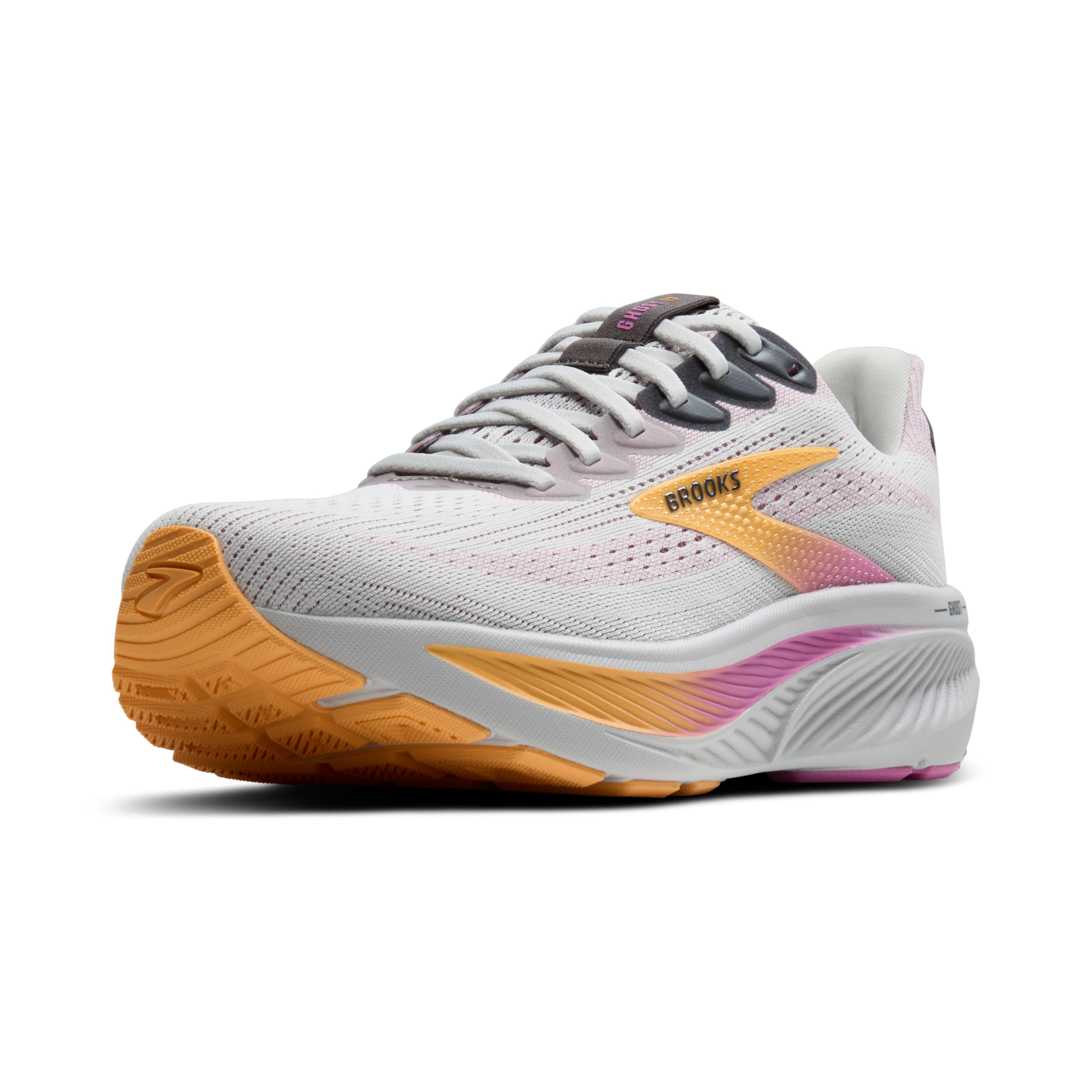
The Brooks Ghost 17 is a solid choice for runners with high arches who want neutral cushioning and smooth transitions.
Pros
- Soft, responsive cushioning that helps under high arches
- Breathable knit upper that keeps feet cool
- Smooth toe-off thanks to new midsole flex grooves
Cons
- May not offer enough built-in arch support for severe high arches
- Not water resistant for wet conditions
- Some users report fit feels slightly different from past models
This shoe focuses on even, soft cushioning across the foot. The updated DNA Loft v3 foam gives a plush ride while the midsole design aims to help each step feel fluid. That can help reduce pressure points for people with higher arches who need even shock absorption.
The upper uses a double jacquard air mesh that lets air move through and holds the foot without squeezing. Runners who prefer a neutral platform will like the balanced feel, but those needing extra arch control may still need custom insoles.
Durability seems solid with a recycled-silica rubber outsole, and the shoe’s smoother transitions can help maintain stride rhythm on roads or treadmill runs. It trades heavy stability features for lighter, more flexible cushioning, so pick it if comfort and a smooth ride matter most.
Brooks Adrenaline GTS 25
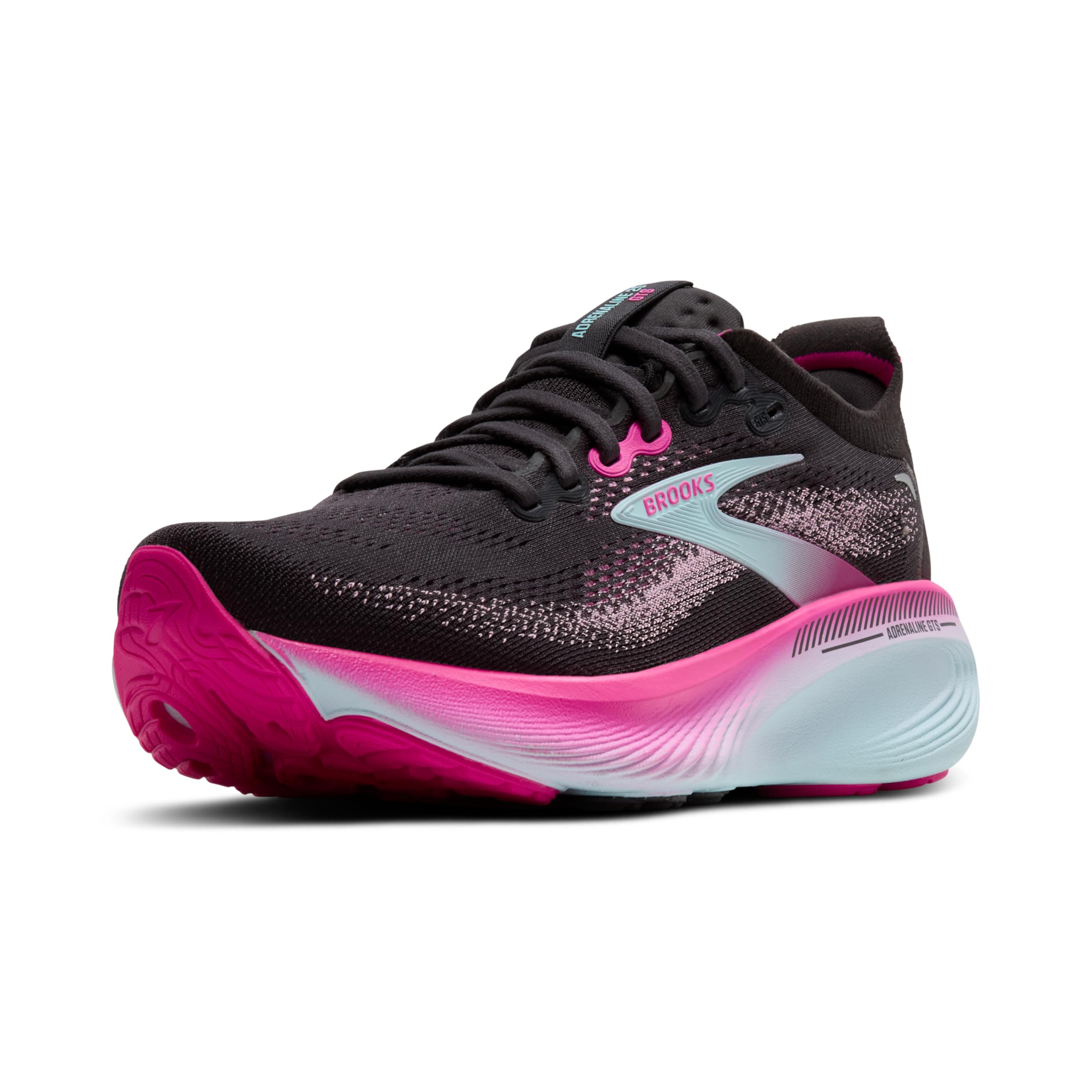
This shoe is a solid choice for runners with high arches who need stable support and cushioned comfort.
Pros
- Strong arch and midfoot support
- Soft, responsive cushioning for long miles
- Secure, breathable upper for a stable fit
Cons
- May rub at the heel for some users
- Not water resistant
- Heavier than minimal shoes
The Adrenaline GTS 25 focuses on guided support to keep the foot aligned. It uses GuideRails to limit excess motion without feeling rigid, which helps runners with high arches stay stable.
Cushioning feels soft and lively thanks to the upgraded DNA LOFT v3 foam. That makes it easier to run longer distances without feeling harsh impact under the arch.
The upper uses engineered mesh and a flat-knit collar for a snug, breathable fit. Some wearers report heel rubbing, so trying them on for fit is important before long runs.
This shoe also carries medical-friendly endorsements, which may appeal to people looking for proven support. It is not water resistant and weighs more than minimalist models, so consider those trade-offs.
Brooks Adrenaline GTS 25
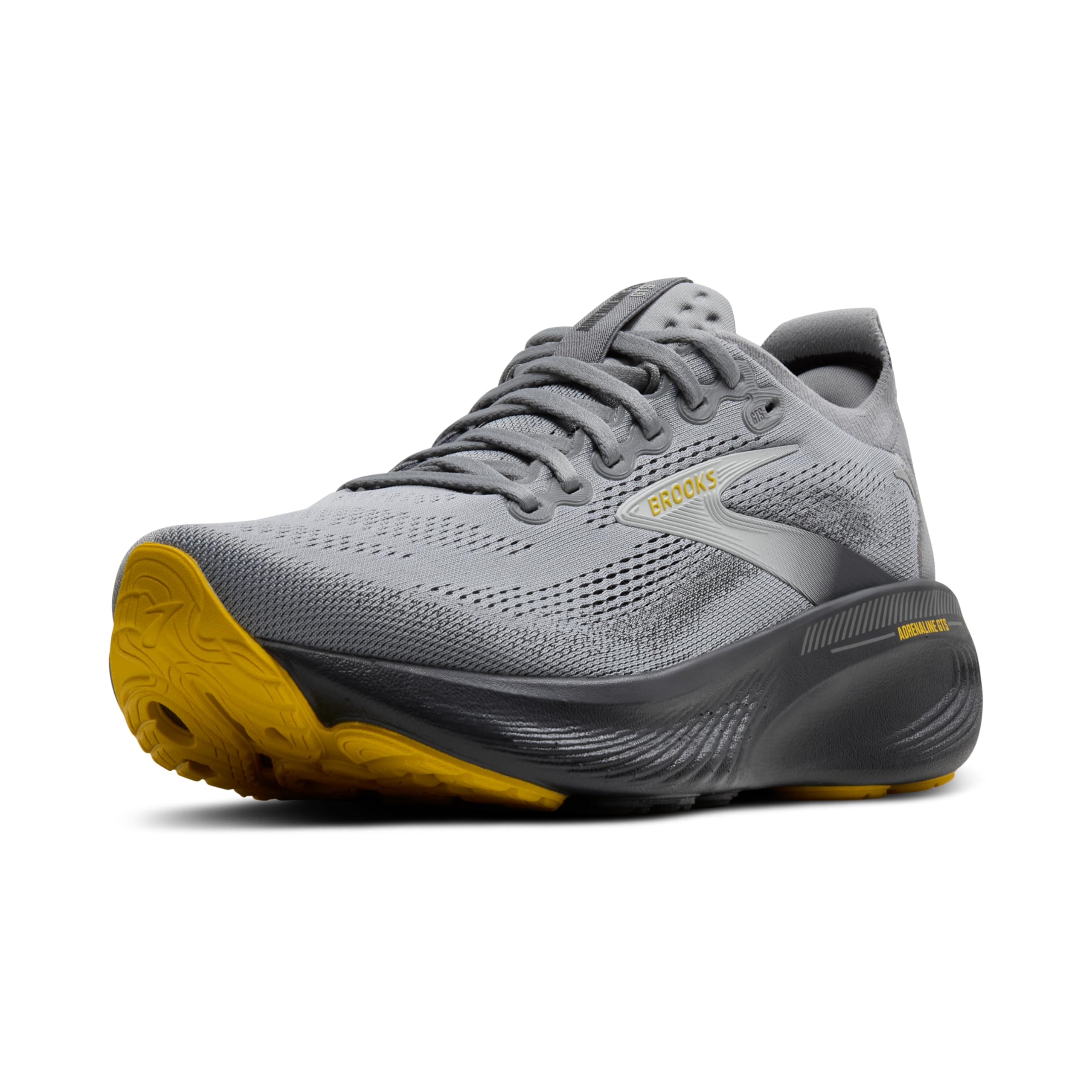
This shoe is a solid choice for runners with high arches who need stable support and cushioned comfort.
Pros
- Strong support that helps control excess foot motion.
- Soft, responsive cushioning for long runs.
- Breathable fit that works well for wider feet.
Cons
- Pricier than some neutral options.
- Not water resistant for wet conditions.
- May feel firm to runners who prefer very plush shoes.
The Adrenaline GTS 25 focuses on guided support to keep the foot aligned during each stride. Its GuideRails system aims to limit excess motion without feeling overly intrusive.
Cushioning uses a newer foam meant to be soft yet springy. This helps runners with high arches by reducing pressure under the midfoot and heel during longer runs.
Fit and upper design try to balance structure and breathability. Wide sizes are available, which helps people who need extra room across the forefoot.
They earn praise for durability and consistent fit from many buyers. The shoe may suit walkers and runners who want stability plus a smooth ride.
Glycerin GTS 23
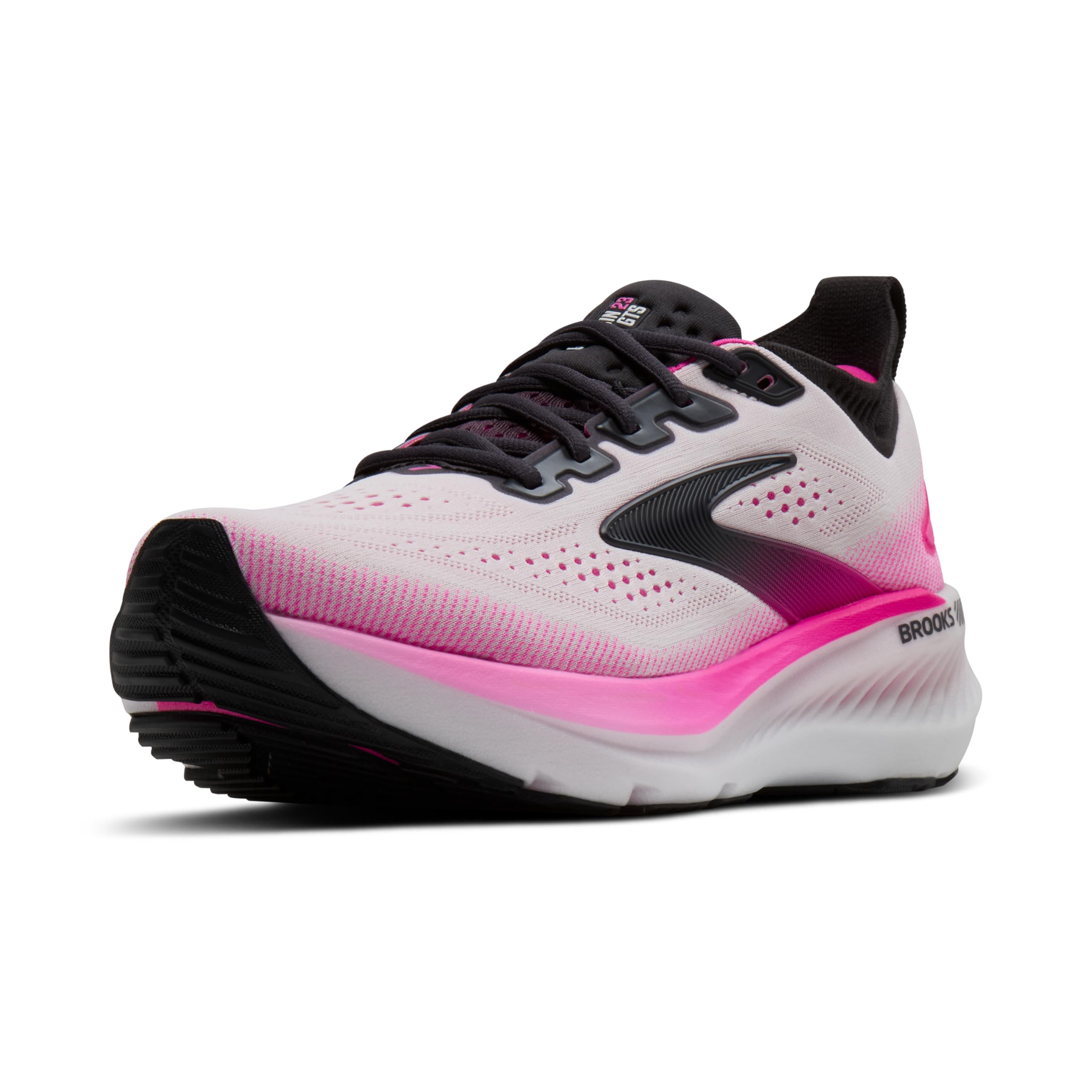
This shoe is a good pick for runners with high arches who want plush cushioning plus mild stability to keep their stride aligned.
Pros
- Very soft, cushioned ride that eases impact on high arches.
- GuideRails support adds gentle alignment without feeling rigid.
- Breathable knit upper that fits securely.
Cons
- Feels a bit bulky for runners who prefer a lightweight shoe.
- Toe area may feel tight for some foot shapes.
- Not water resistant for wet-weather runs.
The Glycerin GTS 23 blends thick, responsive foam with a stability system meant to limit excess movement. It aims to protect high arches by offering more cushion under the foot while guiding the stride.
Runners who overpronate slightly or want extra protection on long runs may like the balance of plushness and support. The knit upper looks and feels comfortable, though those with wider toes might notice some pressure in the front.
This model stacks a lot of foam and has an 8mm drop, so it suits easy miles, recovery runs, and daily wear more than speedwork. Buyers should check fit carefully and consider trying on in person if possible before ordering.
ASICS Gel-Excite 11 (Wide)
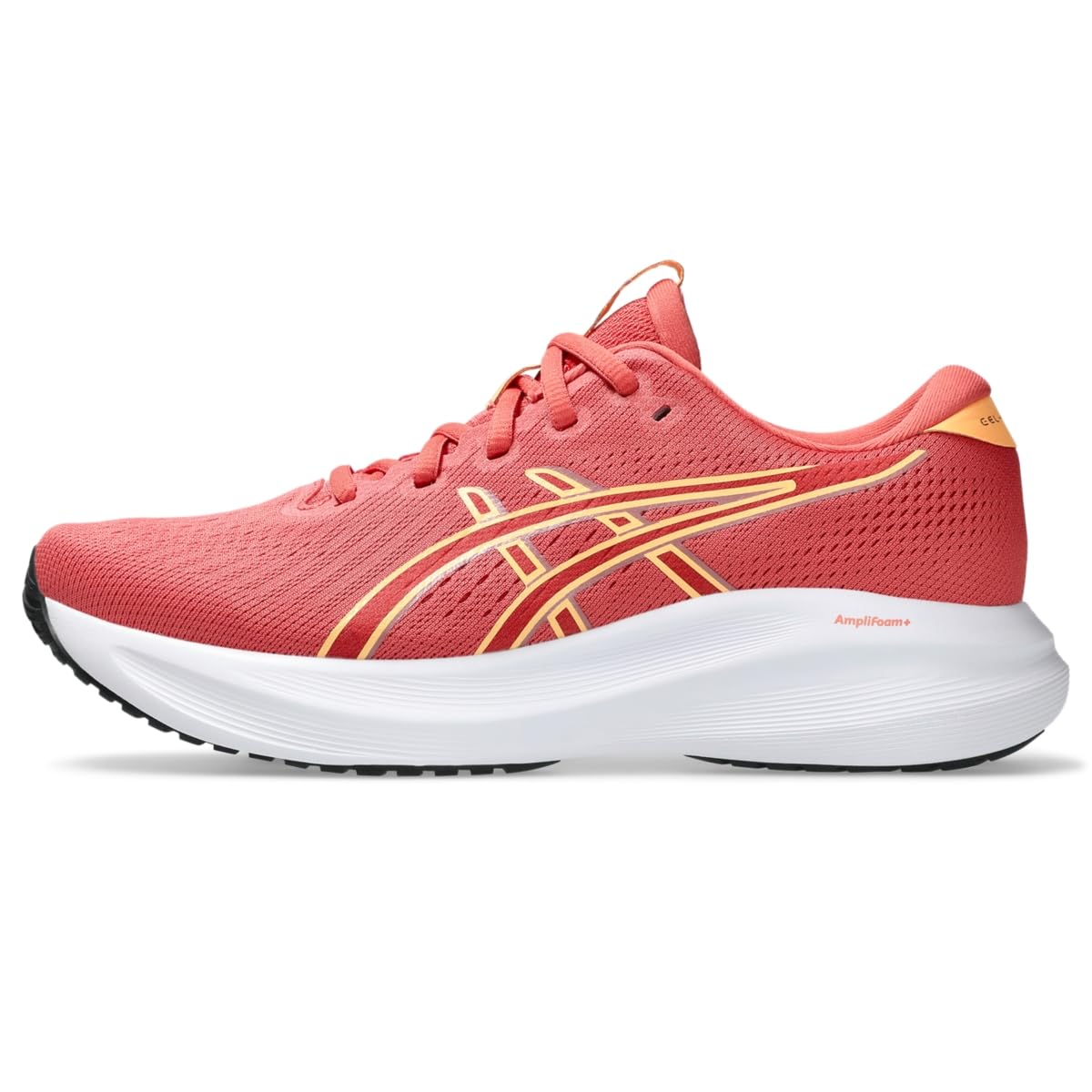
It is a good pick for runners with high arches who want soft cushioning and a roomier fit.
Pros
- Soft, plush underfoot feel from updated GEL and AMPLIFOAM PLUS.
- Breathable mesh upper keeps feet cooler during runs.
- Wider fit helps reduce pinching for those with higher arches.
Cons
- May lack firm arch locking for people needing strong medial support.
- Toe box can feel too wide or pucker for some foot shapes.
- Not water resistant, so wet-weather use is limited.
The shoe emphasizes a softer ride with higher stack height and updated GEL for added underfoot comfort. Many users praise the cushioning for reducing foot and joint discomfort during daily wear.
Its engineered mesh upper helps airflow and reduces extra overlays, which keeps the shoe light. The wider last can suit high arches, but those needing rigid arch support might want a more structured option.
Reflective details add visibility for low-light runs, and the OrthoLite sockliner aims to manage moisture. Overall, it fits runners who prioritize cushioning and room over stiff arch control.
Brooks Revel 8
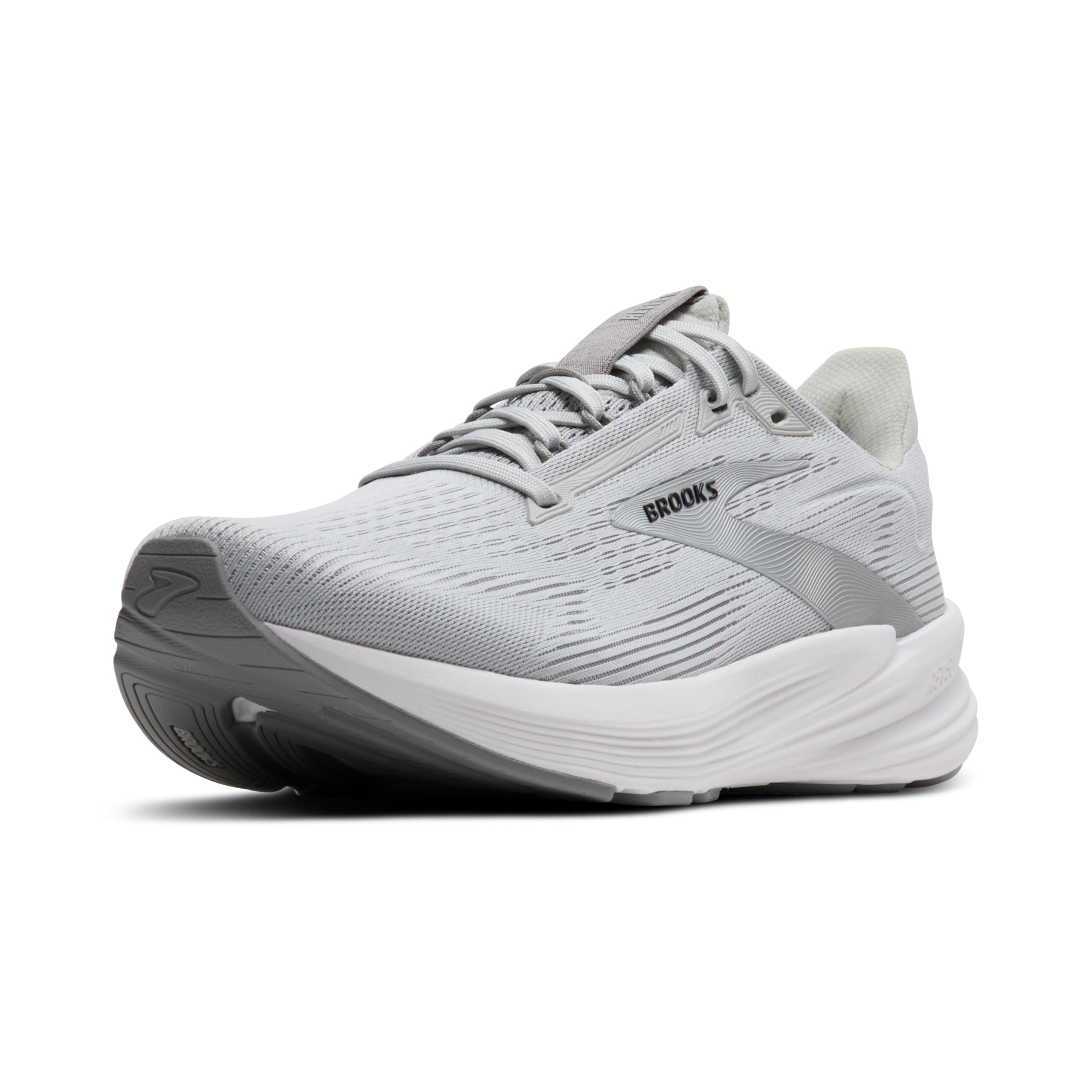
It is a solid choice for runners with high arches who want moderate to strong cushioning and a breathable, versatile shoe.
Pros
- Comfortable, responsive cushioning that adapts to stride.
- Breathable mesh upper keeps feet cool.
- Lightweight and stylish for workouts and everyday wear.
Cons
- Not the best for long days standing or heavy-duty support needs.
- Some reports of inconsistent authenticity or quality control.
- May feel tight with custom orthotics or wide-footed fit.
The Revel 8 focuses on comfort and a smooth ride using DNA Loft v2 foam that adapts to weight and speed. It aims to give high-arched runners enough cushioning without bulk.
The engineered mesh upper provides airflow and structure, so feet stay cooler on runs. The outsole uses RoadTack rubber for decent grip and spring back on pavement.
People who need extra, long-term arch support or who wear thick orthotics might find the fit snug. Others will like the light feel and the shoe’s ability to shift from run to casual wear.
ASICS Gel-Venture 11 (Women)
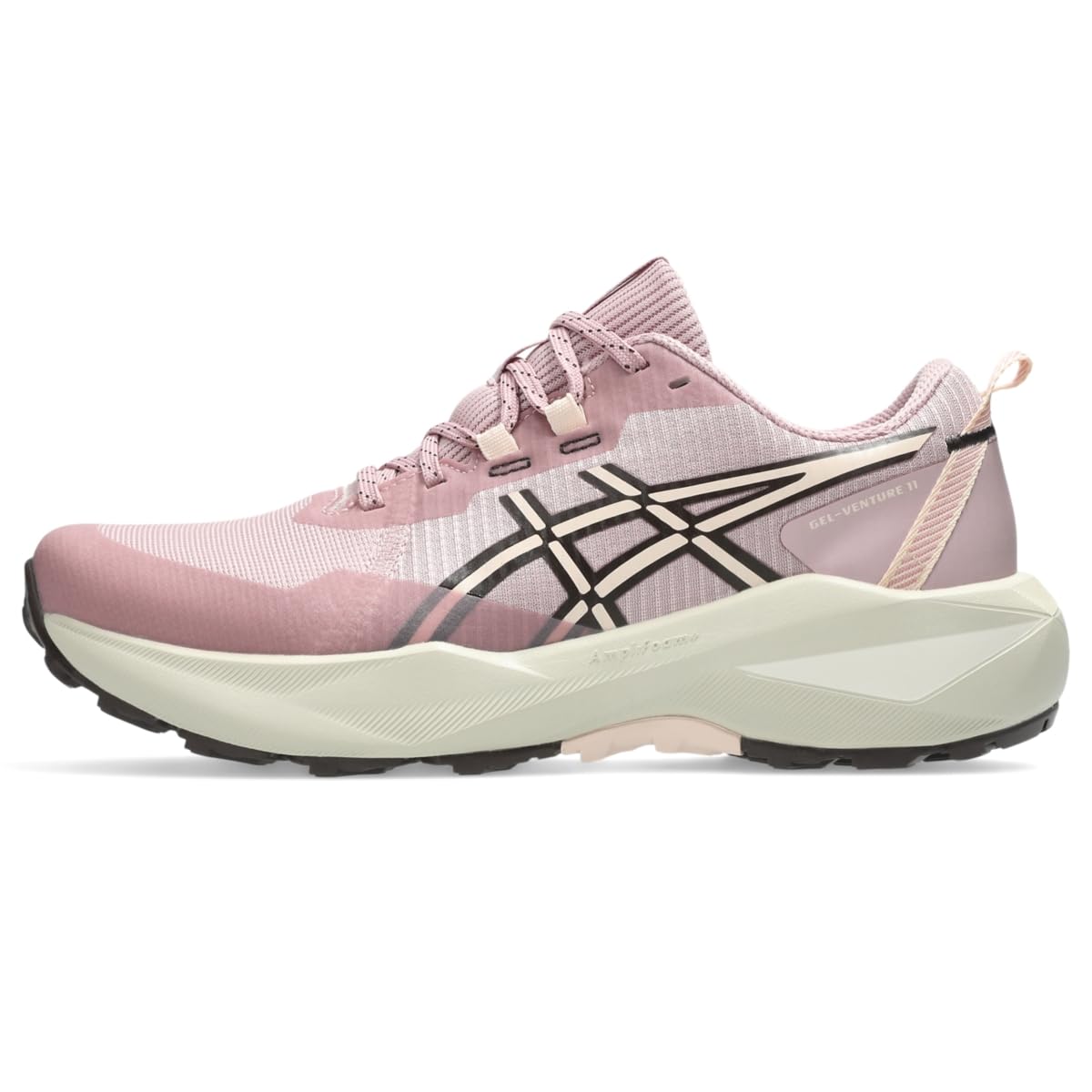
It suits runners with high arches who want firm support and reliable cushioning for daily miles.
Pros
- Noticeable arch support that helps reduce midfoot strain.
- Durable outsole for trails and pavement.
- Softer AMPLIFOAM™ PLUS midsole for impact absorption.
Cons
- Sizing can run wide or inconsistent.
- Not highly cushioned compared with plush road shoes.
- Upper may feel simple compared to premium models.
The shoe targets runners who need arch support without fancy features. It uses GEL in the rearfoot and AMPLIFOAM PLUS to smooth landing and protect high arches.
The upper removes some seams for comfort and breathes with mesh panels. That design aims to limit irritation on long runs or long days on feet.
Some users find the fit roomy, so trying a pair or checking return options helps. The traction and build make it a solid choice for mixed surfaces.
New Balance Fresh Foam X 880 V15
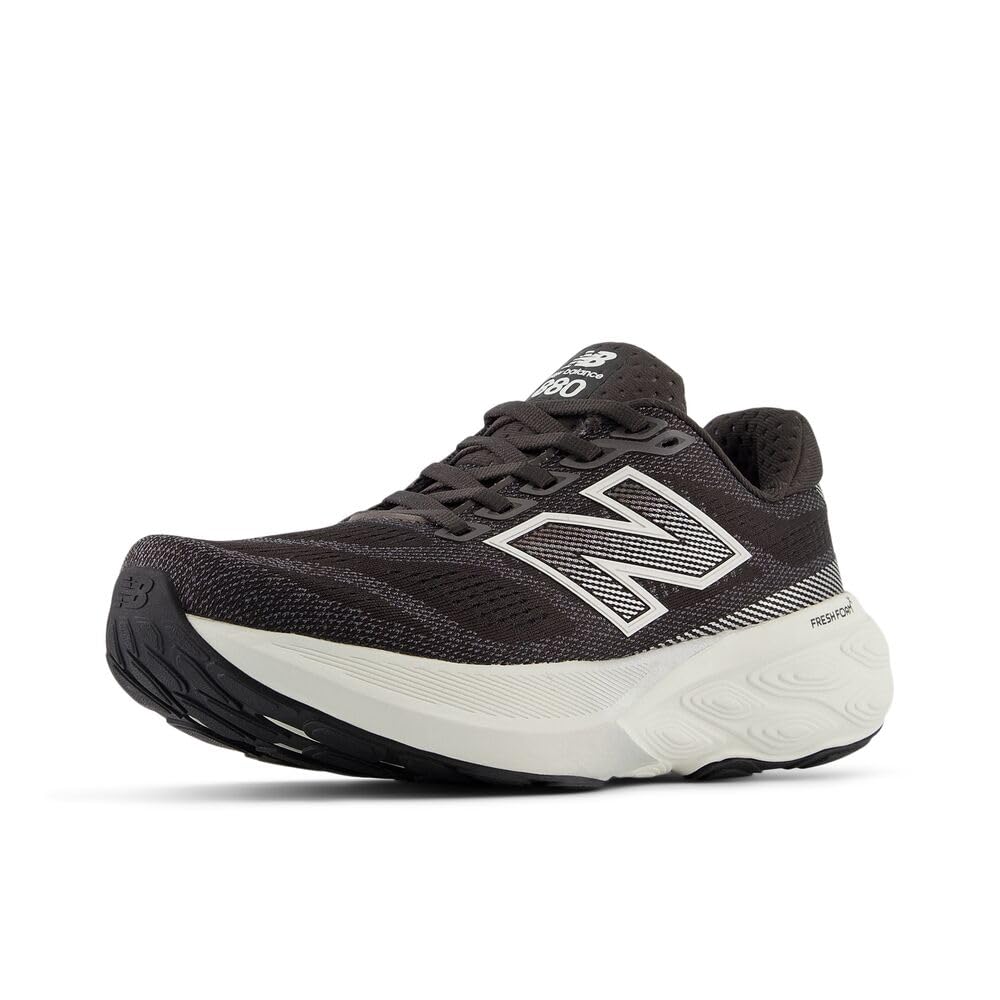
It is a good pick for runners with high arches who want plush cushioning and solid midfoot support.
Pros
- Very cushioned ride that helps reduce pressure on high arches
- Structured upper gives extra midfoot support
- Roomy toe box for comfort on long runs
Cons
- Some users report fit can feel tight for certain foot shapes
- Not water resistant, so wet weather use is limited
- Synthetic materials may feel less breathable for some runners
The Fresh Foam X midsole focuses on soft, responsive cushioning that helps fill the gap under a high arch. This reduces sharp pressure points and can make longer runs feel easier on the foot.
The upper adds structure without feeling heavy, which can stabilize the arch zone during a stride. A wider toe box shows up in many comments and helps prevent toe crowding on longer efforts.
Fit varies across shoppers, so trying the shoe or checking return options matters. Those who need water-ready shoes or prefer natural fabrics may look elsewhere, but people seeking comfort and support for high arches will find this model worth considering.
ASICS SUPERBLAST 2
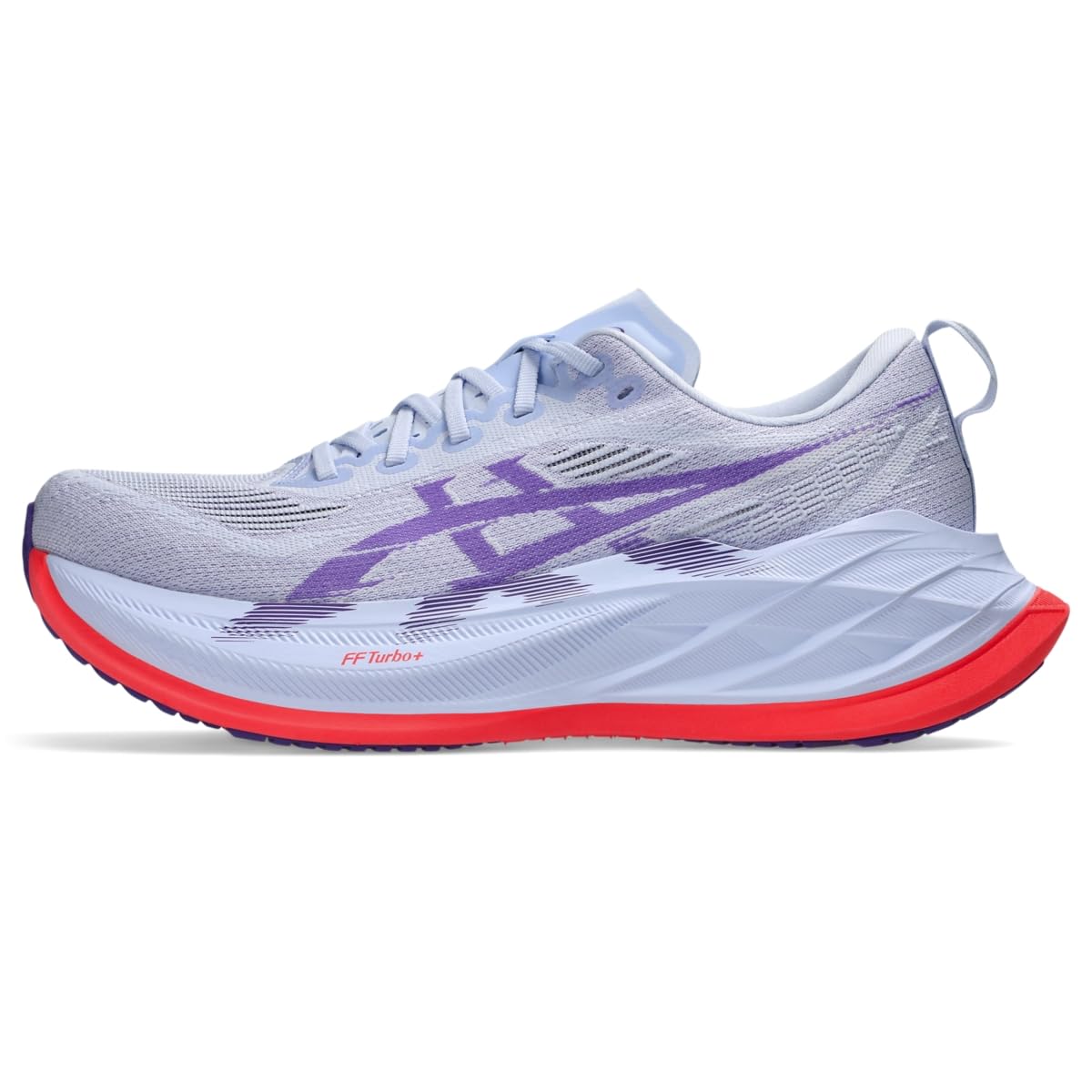
It is a strong choice for runners with high arches who want a very springy, well-cushioned daily trainer.
Pros
- Very responsive, bouncy midsole for energetic runs.
- Lightweight feel despite high cushioning.
- Breathable engineered mesh upper with a secure midfoot fit.
Cons
- Narrower fit at the sides may feel tight for wider feet.
- Not water resistant, so wet conditions can soak the shoe.
- High stack may feel unstable to runners unused to tall midsoles.
The shoe focuses on a lively ride. Its dual FF BLAST cushioning aims to give more rebound than many standard cushioned shoes, which can help high-arched runners who need shock absorption plus forward drive.
The upper uses an asymmetric mesh and a gusseted tongue to help lock the midfoot in place. That design can reduce tongue slip but may feel snug for some feet, so checking fit before buying matters.
Durability features include a reinforced heel plug and a trampoline-style outsole meant to prolong bounce-back. Runners who prefer a very protective water-resistant shoe or a wider toe box might want to compare fits before committing.
Hoka Bondi 9

The Bondi 9 is worth buying for runners with high arches who want the maximum cushioning and a smooth, stable ride.
Pros
- Very soft, plush cushioning that eases foot pressure.
- Stable feel despite high stack height.
- Breathable upper with durable rubber in high-wear spots.
Cons
- Heavier than many lightweight trainers.
- May feel narrow for some foot shapes.
- Not water resistant, so wet conditions can be an issue.
The Bondi 9 focuses on thick, soft foam that reduces impact on high arches. It gives a plush step that many runners with arch pain find helpful.
Runners who need a stable, cushioned shoe will like how the midsole smooths each stride. The molded collar and knit upper aim to keep the foot secure without squeezing.
Some users note the shoe runs a bit heavy and can feel tight up front after long miles. Those with wide forefeet should try them on or consider a wider size before buying.
Buying Guide
Choose shoes that match the runner’s arch height and gait. Look for models labeled for high arches or neutral support. This helps keep the foot stable and reduces strain.
Focus on cushioning and midsole design. High arches need good shock absorption under the heel and forefoot. Thicker, responsive foam and a curved midsole shape can help distribute pressure.
Check arch support and insole shape. Removable insoles let the runner add custom orthotics. A firm, raised arch in the insole helps maintain foot alignment.
Consider fit and toe box space. The shoe should fit snug at the heel and midfoot but allow wiggle room for toes. A too-tight shoe increases risk of blisters and pain.
Evaluate flexibility and heel-to-toe drop. Moderate flexibility at the forefoot aids toe-off. A moderate drop (not zero) often suits high arches by shifting load more evenly.
Inspect materials and breathability. Lightweight, breathable uppers reduce overheating and keep the foot secure. Durable outsoles improve grip and longevity.
Use these checks when testing shoes in-store or ordering online:
- Try shoes later in the day when feet are slightly swollen.
- Wear the socks intended for running.
- Walk and jog on a firm surface to feel cushioning and support.
- Allow returns in case the fit or support feels off after a run.
Compare specs side-by-side. Prioritize cushioning, arch support, and fit to find the best match for a high-arched foot.
Editor’s Choice
They chose the Brooks Ghost 15 as the top pick for high arches. It offers balanced cushioning and a supportive midsole that helps keep the foot aligned. The fit works well for a range of foot shapes.
Key features:
- Cushioning: Soft yet responsive foam for shock absorption.
- Arch support: Built-in contouring that supports high arches.
- Fit: Roomy toe box with secure heel lockdown.
They also highlight the shoe’s durability and breathability. The upper uses engineered mesh that keeps feet cool. Many testers found it comfortable for daily runs and longer distances.
Sizing runs true for most runners but trying them on is best. Some may prefer a slightly wider option if they have very wide feet. The shoe pairs well with custom orthotics if extra arch support is needed.
FAQS
What causes high arches?
High arches often come from genetics or foot structure. They can also develop from neuromuscular conditions or injury.
Do high arches need special shoes?
Yes. Shoes with good arch support and cushioning help distribute pressure. They reduce pain and lower injury risk.
How should a running shoe for high arches fit?
It should fit snug in the midfoot and heel, with a little room in the toe box. The arch support should align with the foot’s arch.
Are orthotic inserts necessary?
Some people benefit from custom or over-the-counter orthotics. They add extra arch support and correct foot alignment when needed.
Can running shoes correct pronation?
Supportive shoes can help control excessive supination (outward roll) common in high arches. They do not permanently change foot structure.
How often should shoes be replaced?
Replace running shoes every 300–500 miles, depending on wear and runner weight. Check for flattened cushioning or uneven wear.
Quick checklist for choosing shoes for high arches:
- Cushioning in midsole and heel
- Firm but shaped arch support
- Stable heel counter
- Flexible forefoot for toe push-off
When to see a specialist?
See a podiatrist for persistent pain, repeated injuries, or significant gait problems. They can recommend tests, orthotics, or therapy.
Conclusion
Choosing the right running shoe helps protect high arches and reduces pain. Runners should look for strong arch support, good cushioning, and a stable heel to keep feet aligned.
They should try shoes on later in the day when feet are larger. A proper fit feels snug in the midfoot and roomy in the toe box.
Custom or over-the-counter orthotics can add support if shoes alone are not enough. They may improve comfort and reduce injury risk.
Consider weight, cushioning level, and flexibility based on running style and distance. Lighter shoes suit speed work; cushioned, stable shoes suit long runs.
Test shoes on a treadmill or short run before buying. If pain persists, they should see a podiatrist or physical therapist for tailored advice.
Quick checklist:
- Arch support: firm and shaped to the foot
- Cushioning: enough for shock absorption
- Stability: steady heel and midfoot
- Fit: snug midfoot, room in toe box
These steps help runners with high arches choose shoes that promote comfort and better performance.