Trail running blends the freedom of hiking with the speed of road running, sending people over dirt, roots, rocks, and wet surfaces. Trail running shoes exist to protect feet, improve grip on uneven ground, and keep runners stable without adding too much weight. A good pair balances traction, cushioning, and fit so runners can move confidently on rough trails.
When choosing trail running shoes, people should pay attention to outsole grip, midsole cushioning, toe protection, and how the shoe fits their foot and gait. Durability and water resistance matter for different conditions, while weight and stack height affect speed and stability. This guide tests and compares models so readers can find shoes that match the terrain, distance, and comfort they need.
10 Best Trail Running Shoes
Below is a carefully chosen list of the best trail running shoes for different terrains and needs. The picks balance grip, comfort, and durability to help runners tackle mud, rocks, and long trips with confidence.
New Balance 410 V8

It is a solid, budget-friendly trail shoe that works well for mixed surfaces thanks to its grippy outsole and cushioned midsole.
Pros
- Reliable traction on varied terrain
- Soft BIO Foam gives good underfoot comfort
- Durable upper materials hold up to frequent use
Cons
- Cushioning can feel bulky to some runners
- Fit may run narrow for certain feet
- Not fully waterproof for wet conditions
The AT Tread outsole aims to handle both dirt paths and pavement without losing grip. That makes this shoe a good choice for runners who mix trails and roads.
The BIO Foam midsole delivers clear cushioning for everyday runs and long walks. Some buyers like the plush feel, though a few report it feels taller than expected.
Overlays and mesh add to the shoe’s durability while keeping weight low. A lace-up closure secures the foot, but those with wide feet should check the fit before buying.
Saucony Excursion TR15

It is a solid choice for runners who want durable traction and steady cushioning on mixed trails.
Pros
- Strong grip on loose and rocky ground
- Comfortable cushioning for longer miles
- Protective, snug upper that keeps out debris
Cons
- Not waterproof for wet conditions
- Some find the style plain
- Midsole may feel firm to picky users
The Excursion TR15 focuses on practical trail needs. It pairs a grippy rubber outsole with a moderate cushion to handle varied surfaces without feeling heavy.
The upper uses trail mesh and overlays to hold the foot in place and block small rocks. The design keeps the shoe breathable but does not offer water protection.
Buyers praised the fit and durability in many reviews, noting it works well for everyday trail runs and hikes. Those who need full waterproofing or a very soft ride might want to compare other models first.
Lone Peak 8
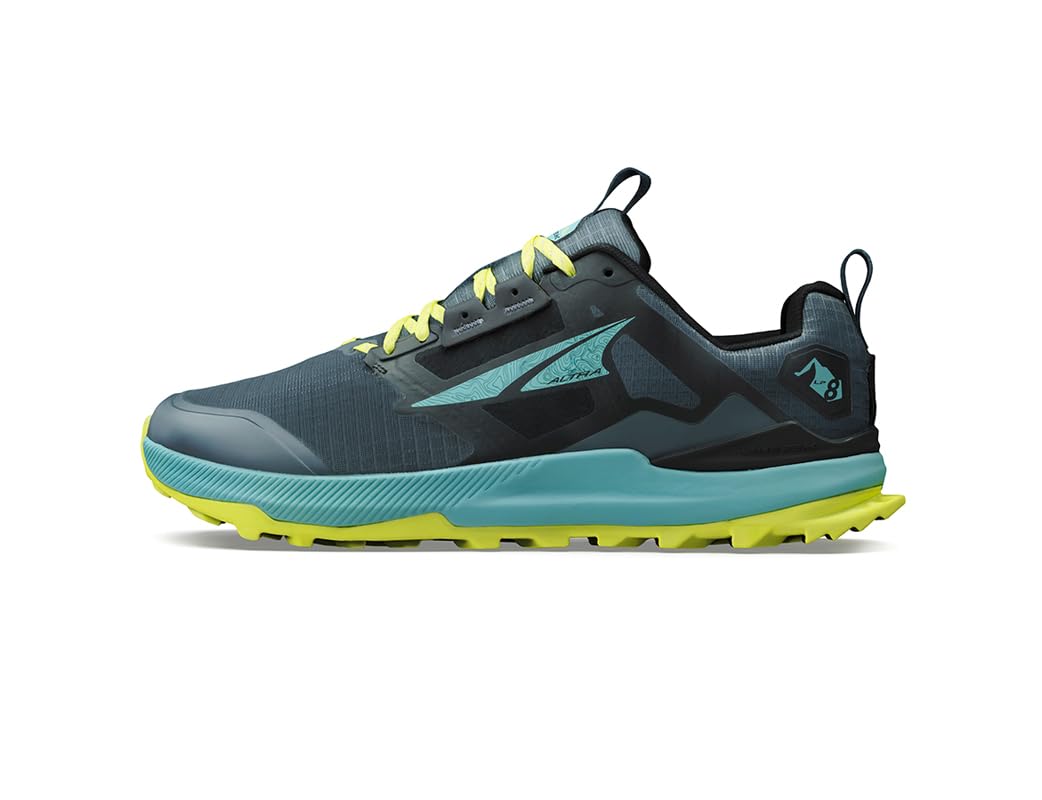
It is a good choice for runners who want roomy toe space, a low-drop platform, and reliable trail grip.
Pros
- Wide toe box that eases forefoot pressure
- Good traction for varied trail surfaces
- Lightweight cushioning that feels responsive
Cons
- Durability may lag for heavy use
- Not water resistant for wet conditions
- Feels different for runners used to higher heels
The Lone Peak 8 focuses on natural foot alignment with a zero-drop design and a roomy forefoot. It suits people who prefer stable, low-profile shoes and need extra toe space for foot issues.
Materials include a ripstop mesh upper and a MaxTrac outsole that aim to balance breathability and grip. The outsole’s lug pattern offers confidence on dirt, gravel, and rocky ground without adding much weight.
Cushioning uses a responsive midsole that absorbs shock while keeping the ride energetic. Some buyers note the cushioning is comfortable but that the shoe can wear faster than beefier trail models.
This shoe works well for day hikes, trail runs, and everyday wear when trails are dry. Those who need waterproofing, heavier protection, or a lot of long-mile durability may want to compare other options before buying.
ASICS Gel-Venture 10
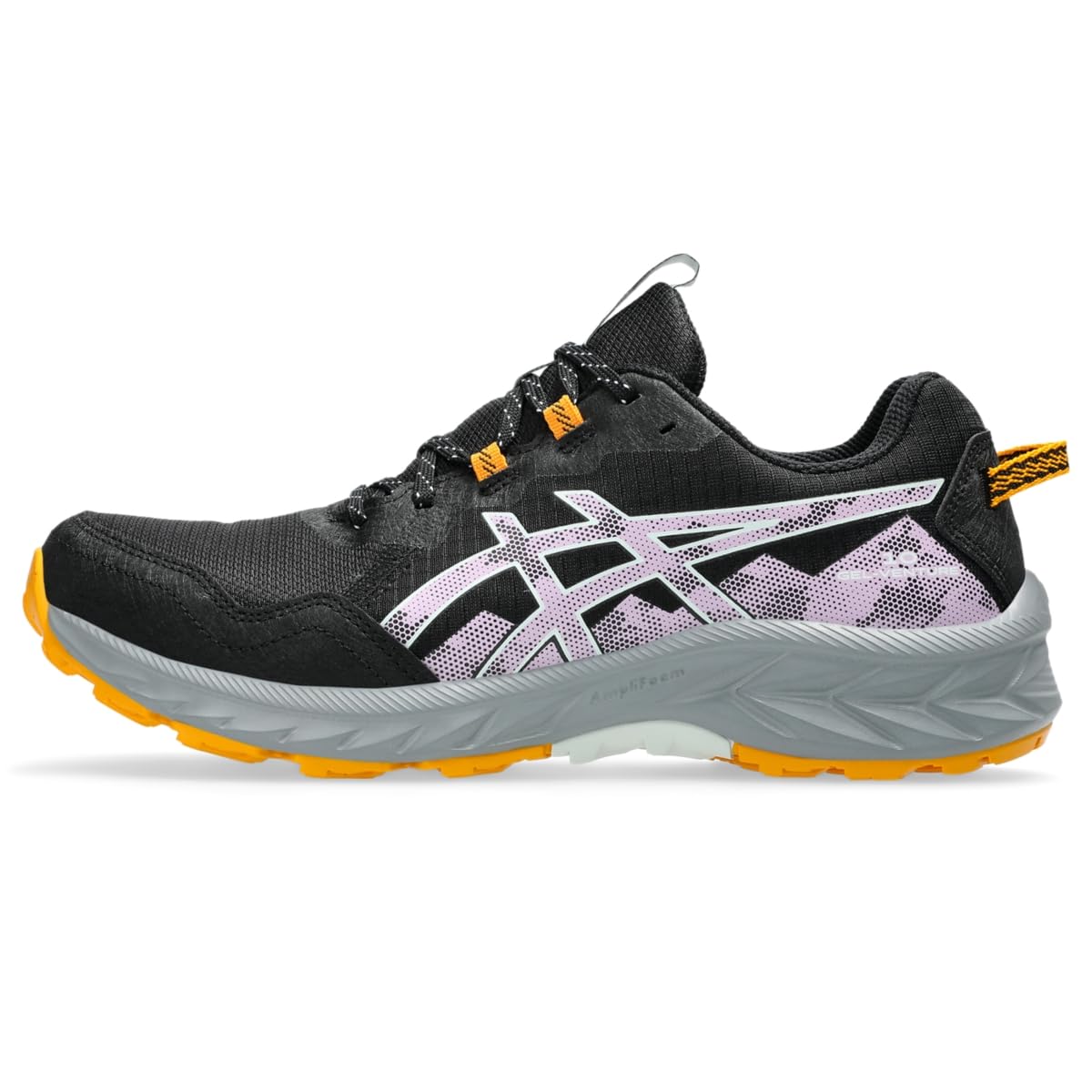
This shoe is a solid choice for runners who want cushioned comfort and good grip on mixed road and trail routes.
Pros
- Comfortable cushioning that softens impact.
- Breathable mesh upper for airflow.
- Outsole pattern grips varied surfaces.
Cons
- May run narrower than past versions.
- Not water resistant for wet conditions.
- Lacks strong arch support for those who need it.
The Gel-Venture 10 focuses on comfort with AMPLIFOAM foam and rearfoot GEL technology to reduce impact on runs and walks. It fits true to size for many, though some report a slightly narrower feel than earlier models.
Runners will like the breathable mesh and the outsole that handles both dirt and pavement. The shoe works well for casual trail miles, errands, and gym sessions rather than technical mountain terrain.
People who need wide fits or water protection might want a different option. For general trail running and daily wear, it gives reliable cushioning and decent traction.
Brooks Caldera 8
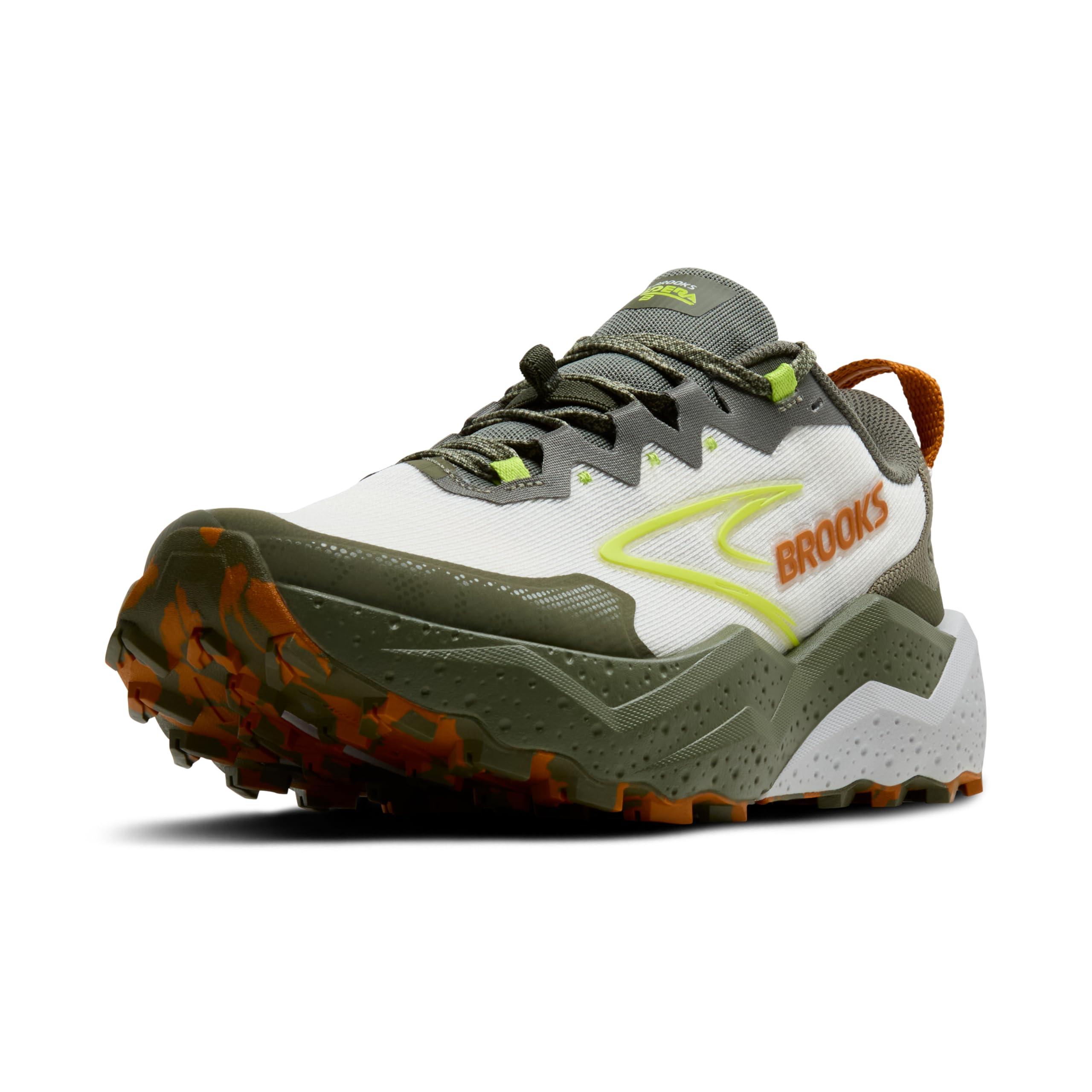
It is a strong choice for long trail runs where heavy cushioning and protection matter most.
Pros
- Very plush cushioning for long distances
- Stable feel from raised sidewalls
- Good breathability and sturdy upper
Cons
- Heavier than minimalist trail shoes
- Not water resistant
- May wear faster for some users
The Caldera 8 aims at runners who want maximum cushioning on rough trails. It uses a high stack of soft foam to smooth out rocks and roots on long outings.
The upper balances breathability with tough materials that resist snags. That helps on brushy paths, though it won’t keep feet dry in wet conditions.
Runners who like a wide, stable base will appreciate the raised sidewalls and wider outsole. Those seeking a lighter, more minimal ride might prefer a different model.
New Balance Dynasoft Tektrel V1
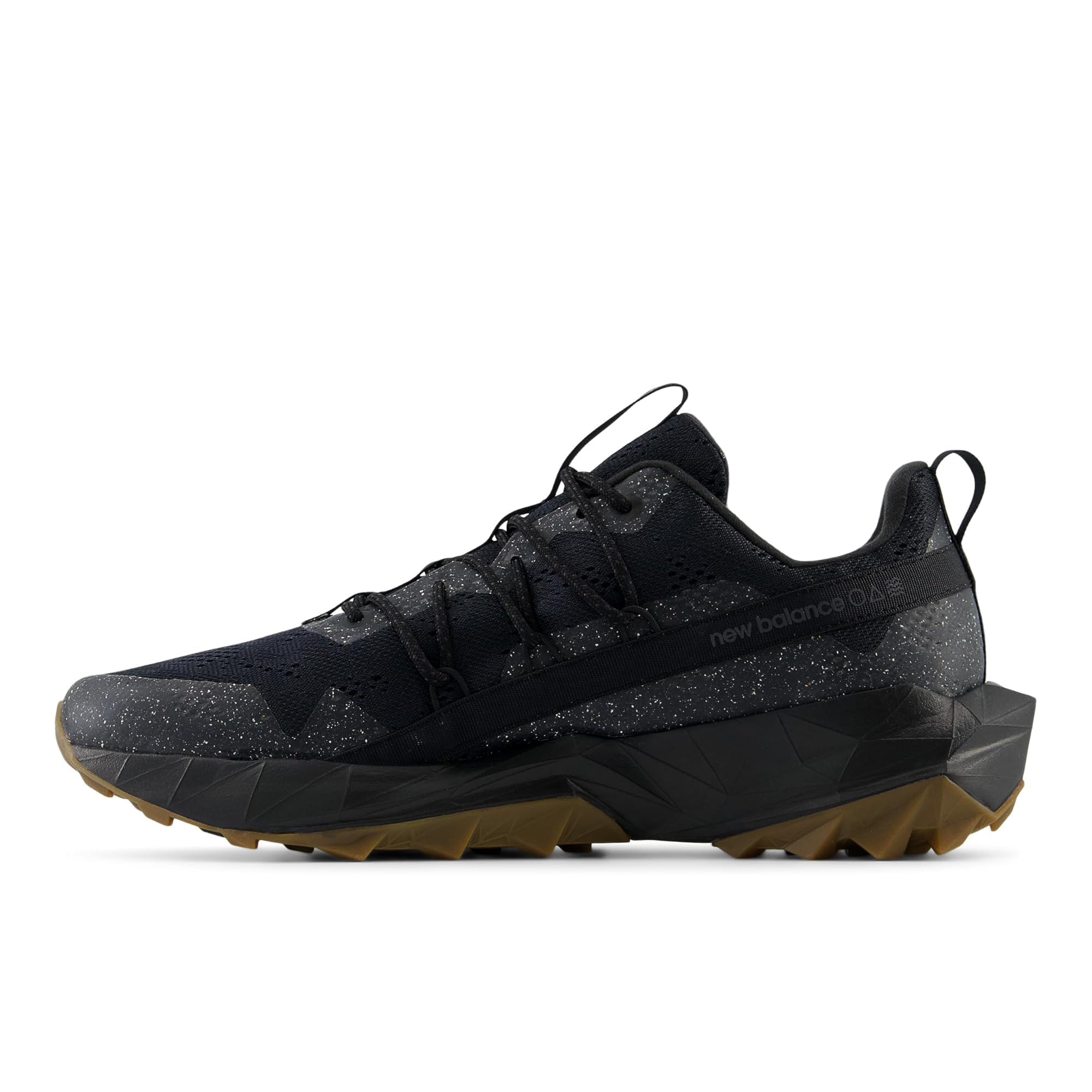
It is a good choice for runners who want cushioned comfort, solid grip, and a casual look for both trails and town.
Pros
- Plush, responsive cushioning for long outings
- Reliable traction on varied surfaces
- Modern, lifestyle-friendly upper
Cons
- Laces may need frequent adjustment for a snug fit
- Fit can feel narrow for some foot shapes
- Not built for heavy technical terrain
The Dynasoft midsole gives a soft, bouncy feel that helps on longer runs or all-day wear. It aims to balance comfort with enough responsiveness to keep a run feeling lively.
Outsole tread patterns work well on dirt paths and mixed surfaces. Users who favor light to moderate trails will likely find traction dependable, though very rocky or muddy routes may demand a more aggressive shoe.
The upper looks like a lifestyle shoe while still offering trail-ready touches like durable overlays and a corded eye row for lockdown. Water resistance in shallow conditions and easy cleaning from mud make it practical for casual trail use.
Brooks Cascadia 19
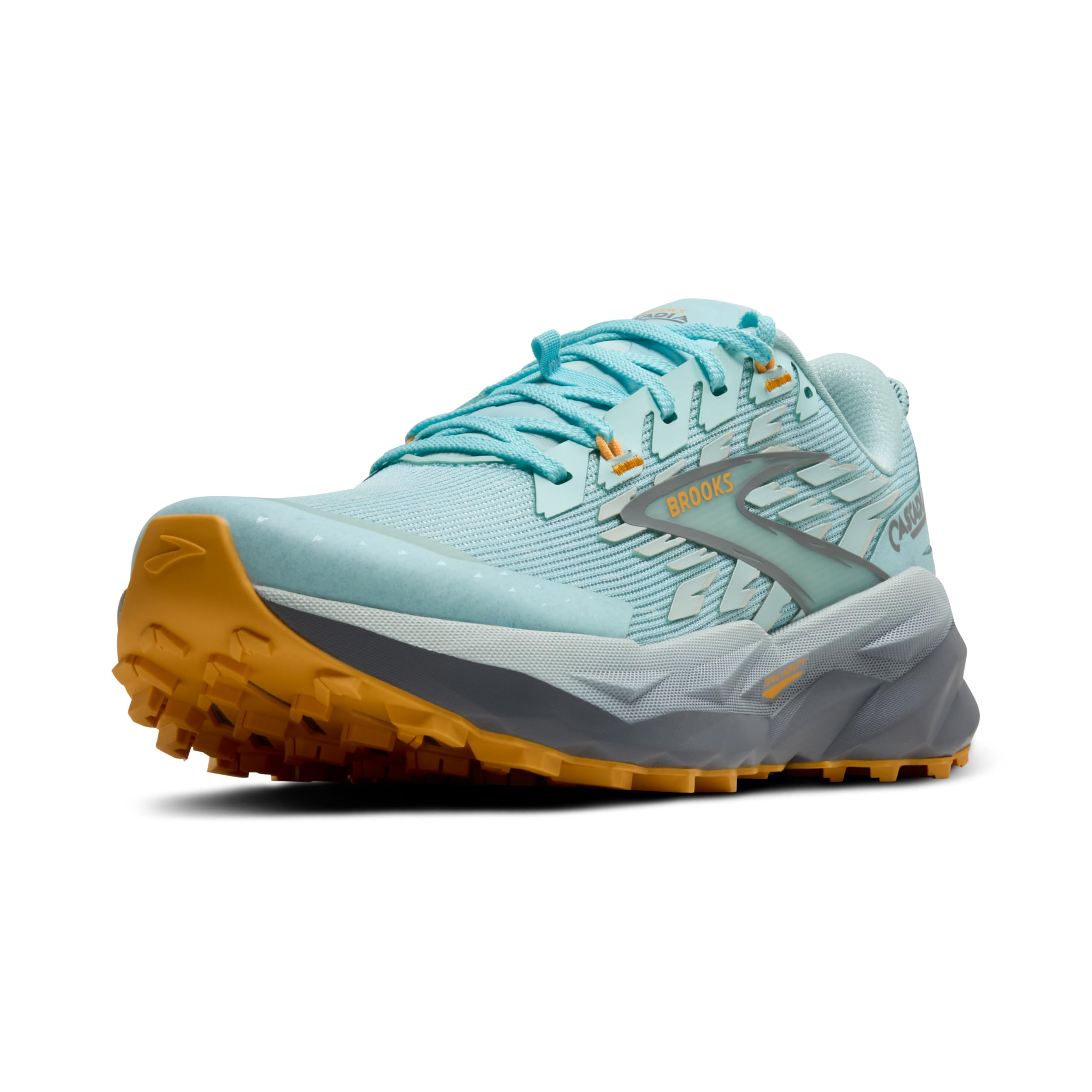
This shoe is a solid pick for trail runners who want stable cushioning and reliable grip on mixed terrain.
Pros
- Stable, cushioned ride for long miles
- Strong traction on wet and dry trails
- Durable upper with rock protection
Cons
- Not water resistant in heavy wet conditions
- Might feel roomy for some foot shapes
- Slightly heavier than road shoes
The Cascadia 19 focuses on stability and protection while keeping a responsive feel. Runners who need support over roots and rocks will like the added rock shield and reinforced toe.
The outsole uses a sticky rubber that helps on mud and loose dirt. The midsole boosts comfort with a newer DNA LOFT foam so impacts feel softer on long runs.
Breathable mesh and overlays help the shoe dry faster after wet sections. Some buyers note the fit runs a bit roomier, so consider half-size adjustments if needed.
ASICS Novablast 5 Tr
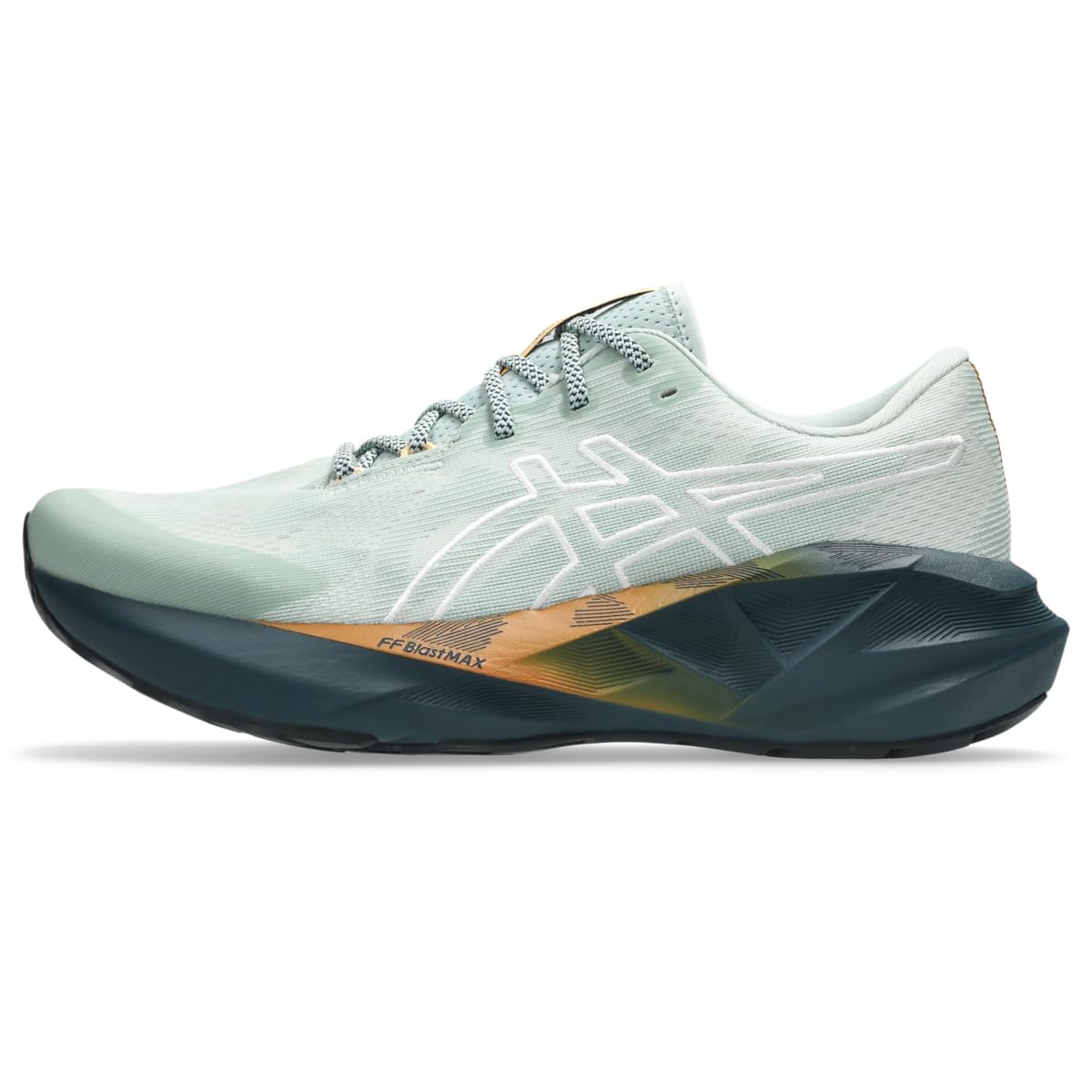
It’s a strong choice for runners who want a bouncy, cushioned ride for daily training and longer easy runs.
Pros
- Very responsive, springy cushioning
- Breathable upper with a secure fit
- Good visibility with reflective details
Cons
- Not water resistant for wet trails
- Very high stack height may feel unstable to some
- Durability may vary on rough terrain
The Novablast 5 stands out for its energetic FF BLAST MAX foam. It gives a soft landing and a lively toe-off that many runners will notice on easy miles.
The engineered mesh keeps the shoe light and airy while the tongue wing helps hold the midfoot in place. Those features reduce hot spots but do not protect against puddles or heavy rain.
The trampoline-inspired outsole adds extra bounce during push-off, which helps forward momentum. Grip uses lower-density rubber in key spots, so traction works well on packed trails but could wear faster on sharp rocks.
Reflective touches help early-morning or evening visibility. The shoe also includes recycled materials and a lower-impact dye process, which may appeal to eco-minded buyers.
New Balance 410 V9 Trail Shoe
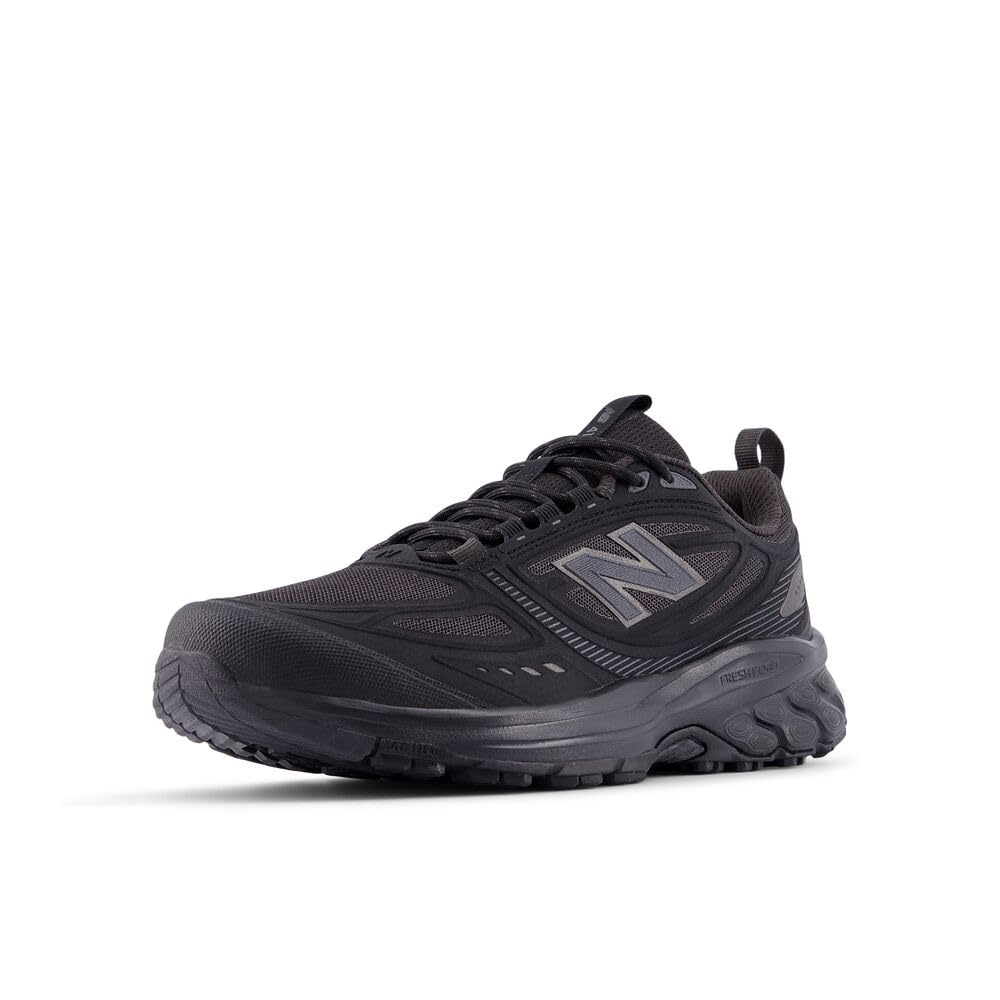
It is a solid option for runners who want cushioned comfort and reliable traction on varied trails.
Pros
- Comfortable underfoot with Fresh Foam cushioning
- Good grip from the AT Tread outsole
- Lightweight feel for longer runs
Cons
- Not water resistant for wet conditions
- Some users find the fit narrow—consider sizing up
- Less aggressive protection on very rocky routes
The Fresh Foam midsole gives steady cushioning that many buyers will notice on longer runs. It balances softness with enough responsiveness to keep pace steady.
The AT Tread outsole works well on packed dirt and light singletrack. It may slip on wet roots or deep mud since the lugs are not very deep.
The mesh upper keeps the shoe light and breathable but will not block water. Runners who need a wide fit should try a wider size or order up to avoid tightness.
Salomon Speedcross (Men’s)

It is a strong choice for runners who want aggressive grip and reliable stability on muddy or technical trails.
Pros
- Excellent traction on soft and loose surfaces
- Secure, snug fit with quick-lace system
- Durable, debris-resistant upper
Cons
- Can feel narrow for wider feet
- Not fully waterproof in very wet conditions
- Lugbed sole may feel stiff on hard surfaces
The Speedcross targets trail runners who need sure footing on mud, loose dirt, and rocky sections. It focuses on grip and stability rather than a plush, cushioned ride.
Its upper uses welded panels and anti-debris mesh that keep out dirt and hold up on rough paths. The Quicklace makes tightening fast and keeps the foot locked during rough terrain.
Deep, sharp lugs and a sticky rubber compound create confident traction in soft conditions. That same aggressive tread can feel firm on pavement or smooth rock.
The heel cradle and supportive midsole help guide foot strikes and add stability on uneven ground. Runners who prefer a roomier toe box may want to try this on or size up before buying.
Buying Guide
Trail runners should start by matching shoe type to terrain. Light, fast shoes work for well-packed trails. Heavier, protective shoes suit rocky or rooty routes.
They must check fit carefully. Shoes should have thumb-width space at the toe and a snug heel to prevent slipping. Trying shoes on later in the day helps account for foot swelling.
Look for the right outsole grip. Deep lugs and sticky rubber increase traction on mud and wet rock. Shallow lugs work better on hard-packed surfaces.
Consider cushioning and protection. More cushion gives comfort on long runs. Rock plates or reinforced toe caps help on technical ground.
Pay attention to drop and support. Lower drop encourages a natural stride for some runners. Higher drop can reduce strain for those with certain injuries.
Weight and durability matter. Lighter shoes feel faster but may wear out sooner. Heavier shoes often last longer and protect better.
Check breathability and water resistance. Mesh uppers dry fast and ventilate well. Waterproof membranes keep feet dry but can trap heat.
Use a short checklist before buying:
- Fit: toe room, heel hold, width
- Traction: lug pattern, rubber compound
- Protection: rock plate, toe guard
- Cushion: thickness and rebound
- Weight vs. durability
- Weather features: breathable or waterproof
They should test shoes on similar trails when possible. That gives the best sense of fit, grip, and comfort.
Editor’s Choice
The Editor’s Choice pick shines for balance: traction, comfort, and durability all perform well. It fits a wide range of runners and handles varied trails without major trade-offs.
It uses a sticky rubber outsole for grip on wet rocks and dirt. The midsole cushions impact while still giving a stable feel on uneven ground.
The upper blends breathability and protection. Reinforced toe and side panels stop debris and light scrapes.
Fit tends to run true to size, with a roomy toe box for toe splay. Runners who need extra width should try half a size up or a different model.
Key features:
- Outsole: Sticky rubber lugs for grip
- Midsole: Responsive foam for cushioning and stability
- Upper: Mesh with protective overlays
- Weight: Moderate for all-day comfort
They offer a reliable option for most trail types, from technical singletrack to long, mixed-surface runs. The shoe is not the lightest racer, but it gives more protection and comfort for longer efforts.
FAQS
What makes a good trail running shoe?
A good shoe has grip, protection, and a stable feel. It fits well and matches the trail type and distance.
How should someone choose the right shoe size?
They should leave about a thumb’s width in the toe box. Feet swell on runs, so try shoes with the socks you will wear.
Are trail running shoes waterproof or breathable?
Some are waterproof; others focus on breathability. Waterproof shoes keep feet dry in wet conditions but can be warmer.
How long do trail shoes usually last?
Most last 300–600 miles depending on terrain and runner weight. Heavier use on rock and mud wears soles faster.
Can road running shoes work on trails?
They can on smooth, flat paths. For technical or muddy trails, trail shoes give better grip and protection.
How should someone care for trail shoes?
Remove dirt and dry them at room temperature. Avoid direct heat like radiators or dryers to protect materials.
Should someone use different shoes for long runs and fast runs?
Many runners use a more cushioned shoe for long runs and a lighter, faster shoe for short or race efforts. It helps balance comfort and speed.
Conclusion
Choosing the right trail running shoe helps reduce injury and improve comfort on varied terrain. Runners should match shoe features to their usual routes and running style.
They need to check fit, traction, cushion, and protection first. Trying shoes on and testing them on similar surfaces matters more than brand names.
Lightweight shoes favor speed and agility, while more built-up models add comfort and stability for long runs. Many runners keep a fast pair and a more protective pair for different days.
Budget and durability will shape choices over time. A slightly higher initial cost can save money by lasting longer and preventing injuries.
A quick checklist helps narrow options:
- Fit: room in the toe box, secure heel
- Traction: lugs and outsole grip for known terrain
- Cushion: balance of comfort and ground feel
- Protection: rock plates or reinforced toes if needed
They should replace trail shoes when cushioning and tread wear down. Regular care, like cleaning and drying properly, extends life and performance.
Test promising shoes on short runs before committing to long races or multi-day trips. Practical experience is the best guide for finding the pair that fits a runner’s needs.