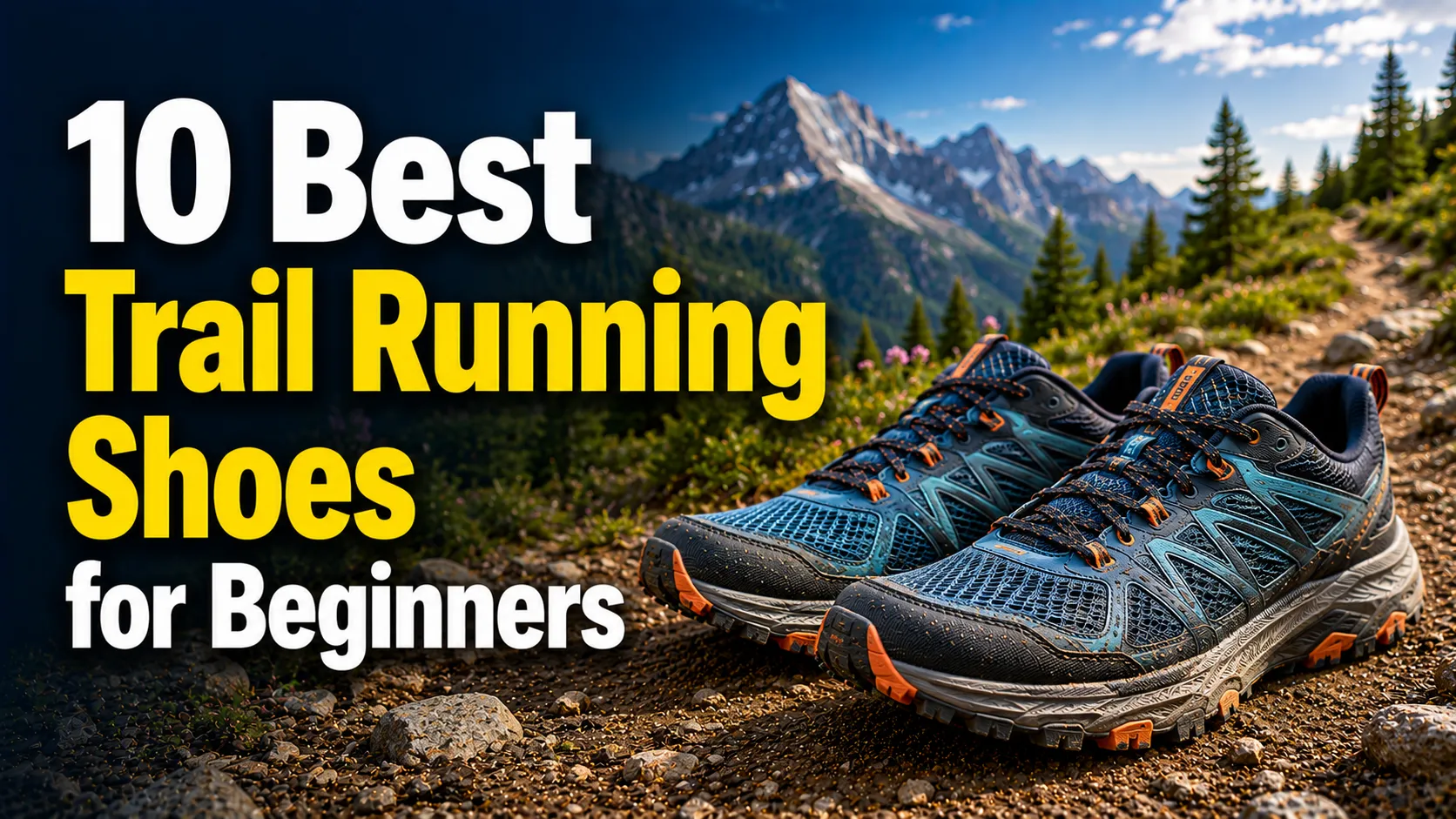
Trail running shoes let people take their road-running routine onto dirt, rocks, and roots without losing speed or comfort. They add grip, protection, and stability designed for uneven ground, and many models balance cushioning with a lower heel-to-toe drop so beginners can run longer without excess strain.
Beginners should look for shoes with reliable traction, enough cushioning to protect joints, and a secure fit that prevents slipping or hot spots. The most important choice is finding a shoe that fits well and matches the runner’s usual terrain—soft trails need different tread and cushioning than rocky routes. With those basics in mind, the article tests and compares options to help new trail runners pick the right pair.
10 Best Trail Running Shoes for Beginners
Below is a curated list of the best trail running shoes for beginners. It focuses on shoes that offer comfort, stability, and good grip to help new trail runners feel confident on varied terrain.
ASICS Gel-Venture 10
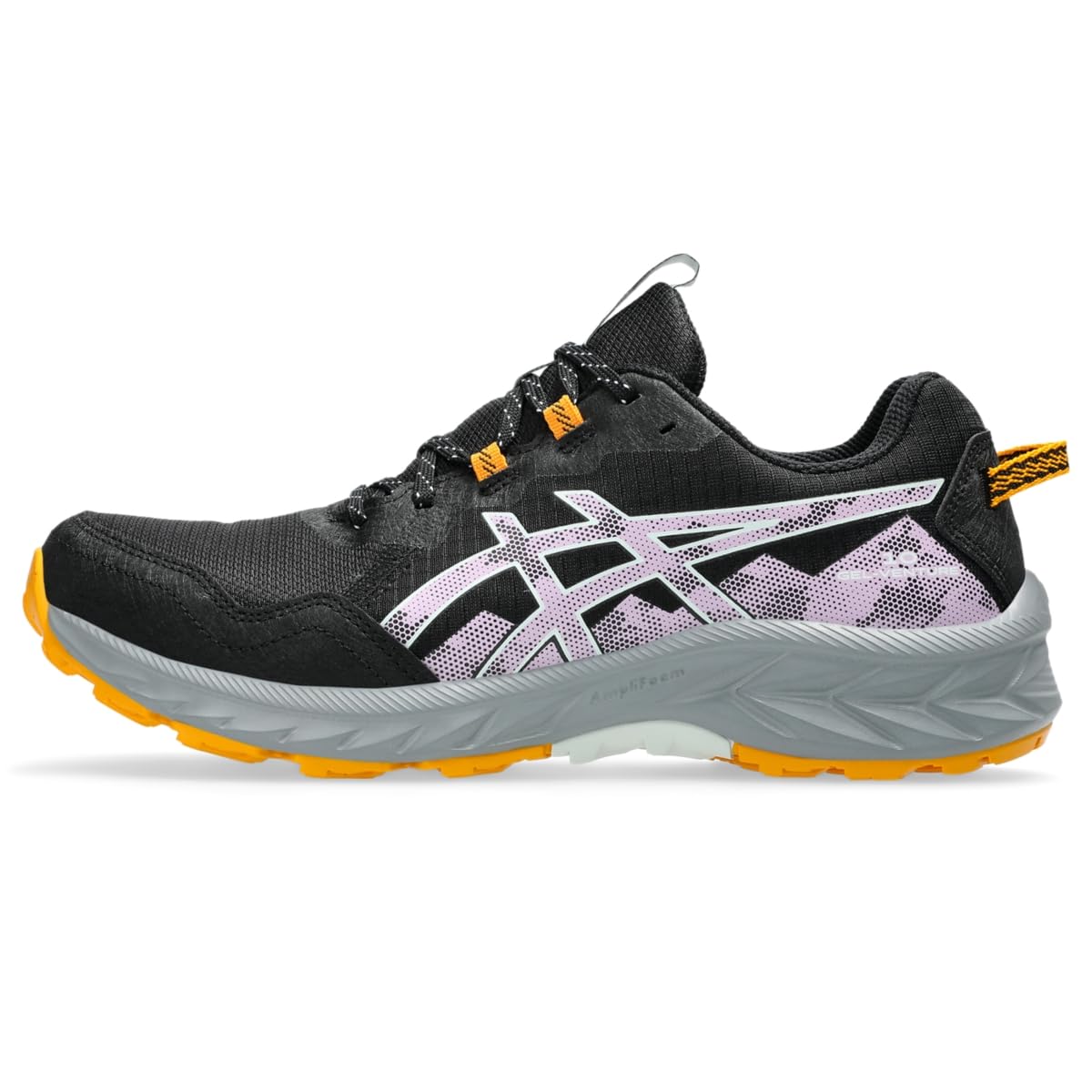
It is a solid, cushioned trail shoe for beginners who want comfort and basic grip on mixed surfaces.
Pros
- Comfortable cushioning and softer heel feel
- Breathable mesh upper for cooler runs
- Versatile outsole that works on roads and easy trails
Cons
- Not fully waterproof for wet trails
- Some users find the fit narrower than past models
- Traction is basic compared to aggressive trail shoes
The Gel-Venture 10 focuses on comfort with AMPLIFOAM midsole cushioning and rearfoot GEL technology. This makes it good for new trail runners who value a softer ride and plan to run both trails and streets.
The mesh upper helps airflow and keeps feet from getting too hot on warmer days. Its outsole uses a trail-specific pattern that grips dirt and light mud, but it may not hold up on very technical or slippery routes.
Fit can vary between versions; some shoppers report a narrower feel than older Gel-Venture models. Beginners who need wide or waterproof shoes should check fit closely or consider other options.
Cascadia 19 (Brooks)
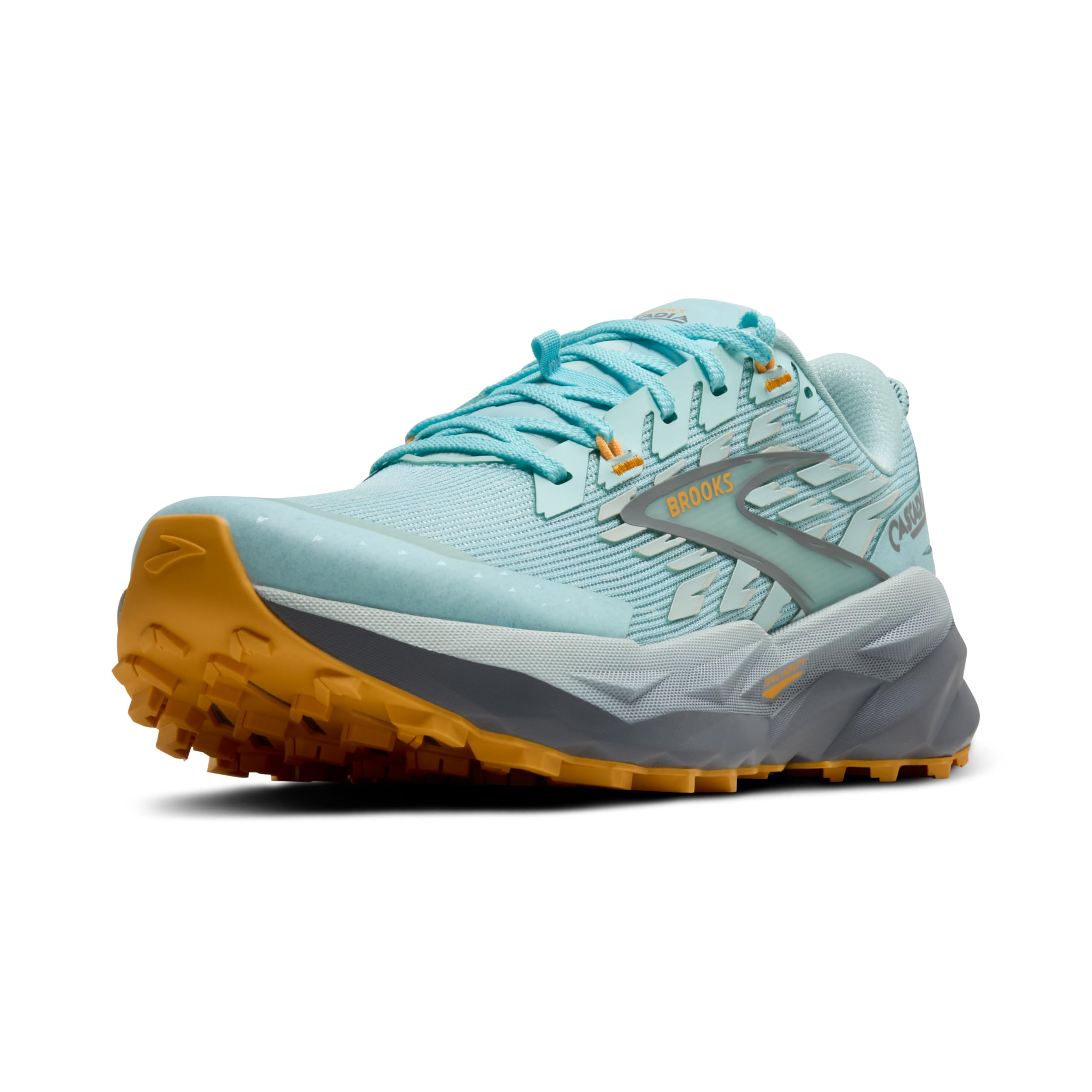
It is a solid choice for beginners who want cushioned support and dependable traction on mixed trails.
Pros
- Comfortable, well-cushioned ride
- Strong traction on wet and dry surfaces
- Extra toe protection and durable upper
Cons
- Not water resistant
- Slightly heavier than road shoes
- Some may find the toe box fits roomy or variable
The shoe offers a soft feel from added DNA LOFT v3 cushioning while keeping stability with the Trail Adapt System. New runners will notice a padded ride that still handles rocks and roots.
Outsoles use TrailTack Green rubber for grip and recycled content, which helps on varied terrain. A reinforced toe cap and mudguard reduce wear from trail debris and hits.
The upper breathes and dries quickly, so it works well on long runs in changing conditions, though it is not waterproof. Beginners who want comfort and security on mountain or desert trails will find this a dependable option.
Buy link: Cascadia 19 (Brooks)
adidas Terrex Tracefinder (Men’s)
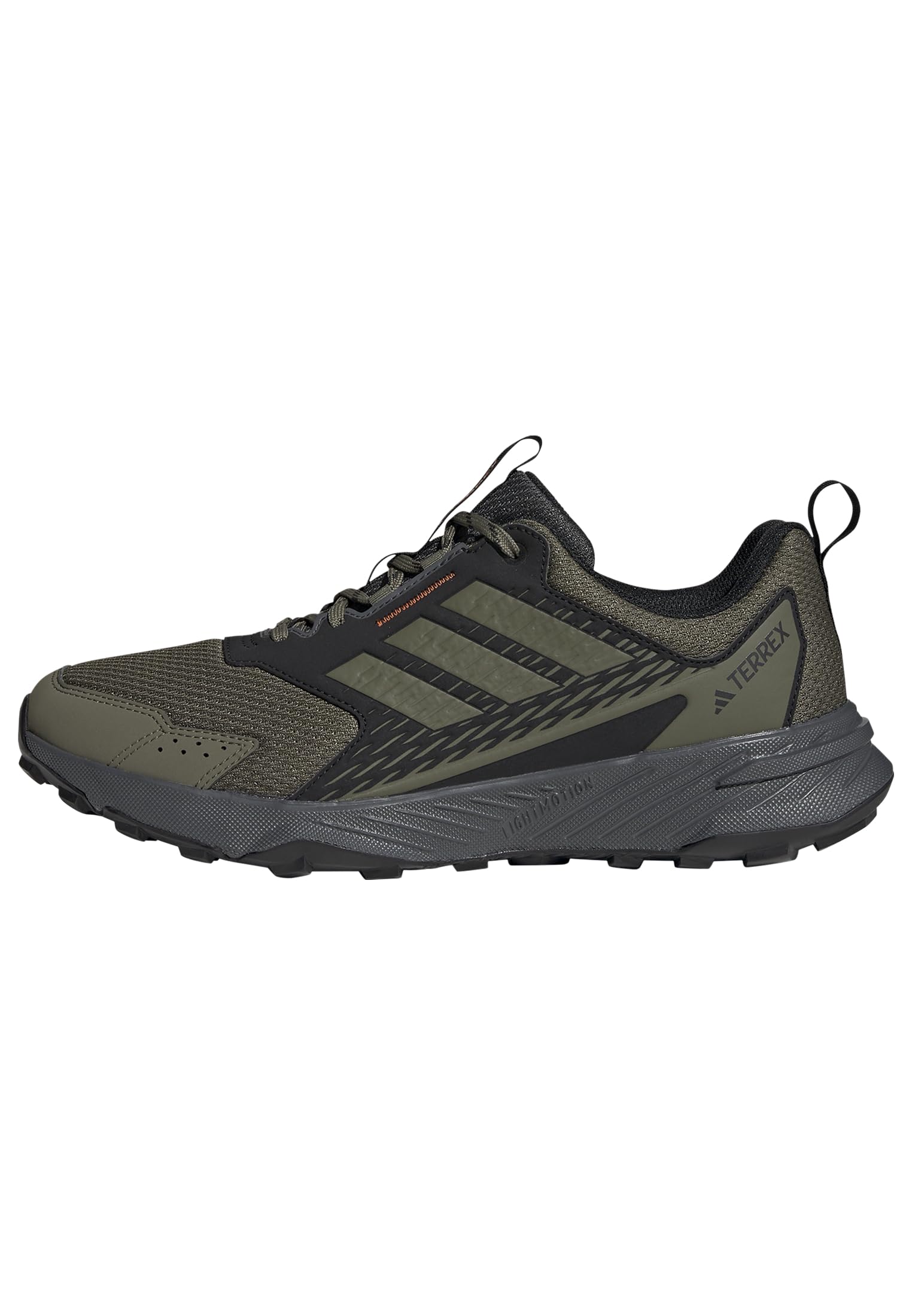
This shoe suits beginners who want a cushioned, breathable trail shoe with solid grip for light to moderate off-road use.
Pros
- Cushioned feel that helps on longer runs.
- Breathable upper keeps feet cool.
- Traxion outsole offers reliable traction on varied surfaces.
Cons
- Some users find the fit bulky or odd.
- Not fully waterproof for wet conditions.
- Higher heel-to-toe drop may feel unfamiliar to new runners.
The Terrex Tracefinder blends soft cushioning with a lightweight mesh upper. It aims to give comfort during longer sessions while still letting air move through the shoe.
A reinforced upper adds durability on rougher paths so the shoe can handle dirt and rock without falling apart quickly. The lugged outsole helps maintain footing on loose ground and wet roots.
Fit varies among users; some report it feels roomy while others call it clunky. New runners should try their usual size and consider half sizes if they wear thicker socks.
They made part of the shoe with recycled materials, which lowers waste a bit. Overall, it works well for beginners who value comfort and traction more than full waterproofing.
Lone Peak 9

It is a solid choice for beginners who want a roomy, grippy trail shoe with good underfoot protection.
Pros
- Wide toe box for natural foot shape
- Reliable traction on varied terrain
- StoneGuard protects against rocks and debris
Cons
- Runs large for some sizes
- Not water resistant in wet conditions
- Moderate cushioning may feel firm to some
The Lone Peak 9 gives new trail runners a stable, simple platform. The zero-drop design and wide toe box let toes spread and feel natural on uneven ground.
It grips well thanks to the MaxTrac outsole, so it handles dirt, roots, and loose rock with confidence. The StoneGuard adds a layer of protection underfoot, which helps on rocky routes.
Some buyers report the shoe fits large, so ordering a half size down may help. It also lacks waterproofing, so feet can get wet in rain or stream crossings.
Overall, it suits beginners who want a durable, protective shoe that favors a natural foot position and solid traction.
New Balance Dynasoft Nitrel V6 (Women’s)

It is a solid beginner trail shoe for walkers and new trail runners who want cushioned comfort and steady grip on mixed terrain.
Pros
- Cushiony, responsive feel underfoot.
- Versatile outsole that grips dirt and paved sections.
- Lightweight and stylish for everyday wear.
Cons
- Runs a bit small for some—consider sizing up.
- Not highly structured for strong ankle support.
- Laces can slip unless double-knotted.
The Dynasoft midsole gives a soft but springy ride that helps reduce foot fatigue on longer walks or short trail runs. New runners will like how it smooths out rough ground without feeling clunky.
Traction comes from an AT Tread outsole that works on dirt, gravel, and city paths. The shoe does not aim for extreme mud or rock crawling, but it performs well on most beginner routes.
Fit varies by foot shape; several buyers recommend ordering a half or full size up. Those who need firm ankle stability or heavy-duty protection might prefer a more structured model.
The upper uses no-sew overlays to keep the weight down and reduce friction points. Water resistance helps on damp trails, though it is not fully waterproof.
Overall, it suits someone who wants a comfy, versatile shoe for starting trail runs, hikes, and daily wear without a steep learning curve.
Saucony Excursion TR15

It is a solid, affordable trail shoe for beginners who want cushioning, grip, and durable protection.
Pros
- Comfortable cushioning for longer walks or easy runs
- Tough outsole with grippy lugs for varied terrain
- Protective mesh that keeps debris out without bulk
Cons
- Not water resistant for wet conditions
- Some users report uneven heel wear over time
- Speed laces may limit adjustability for certain feet
The Excursion TR15 gives new trail runners a stable, cushioned ride without a steep price. It focuses on basics: comfort, traction, and protection, which helps keep the shoe simple to use.
Trails with rocks, roots, or packed dirt suit this shoe well because the outsole uses carbon rubber lugs for grip. The moderate cushioning feels soft enough for walks and short runs but stays low to the ground for stability.
The upper locks the foot in place and resists debris, though it is not designed to keep water out. Some buyers note long-term wear issues in the heel, so runners who log heavy miles may want to check durability over time.
Overall, the Excursion TR15 works for beginners wanting a dependable, no-frills trail shoe that handles most dry-to-moderate conditions.
Altra Lone Peak 9 – Women’s Trail Shoe
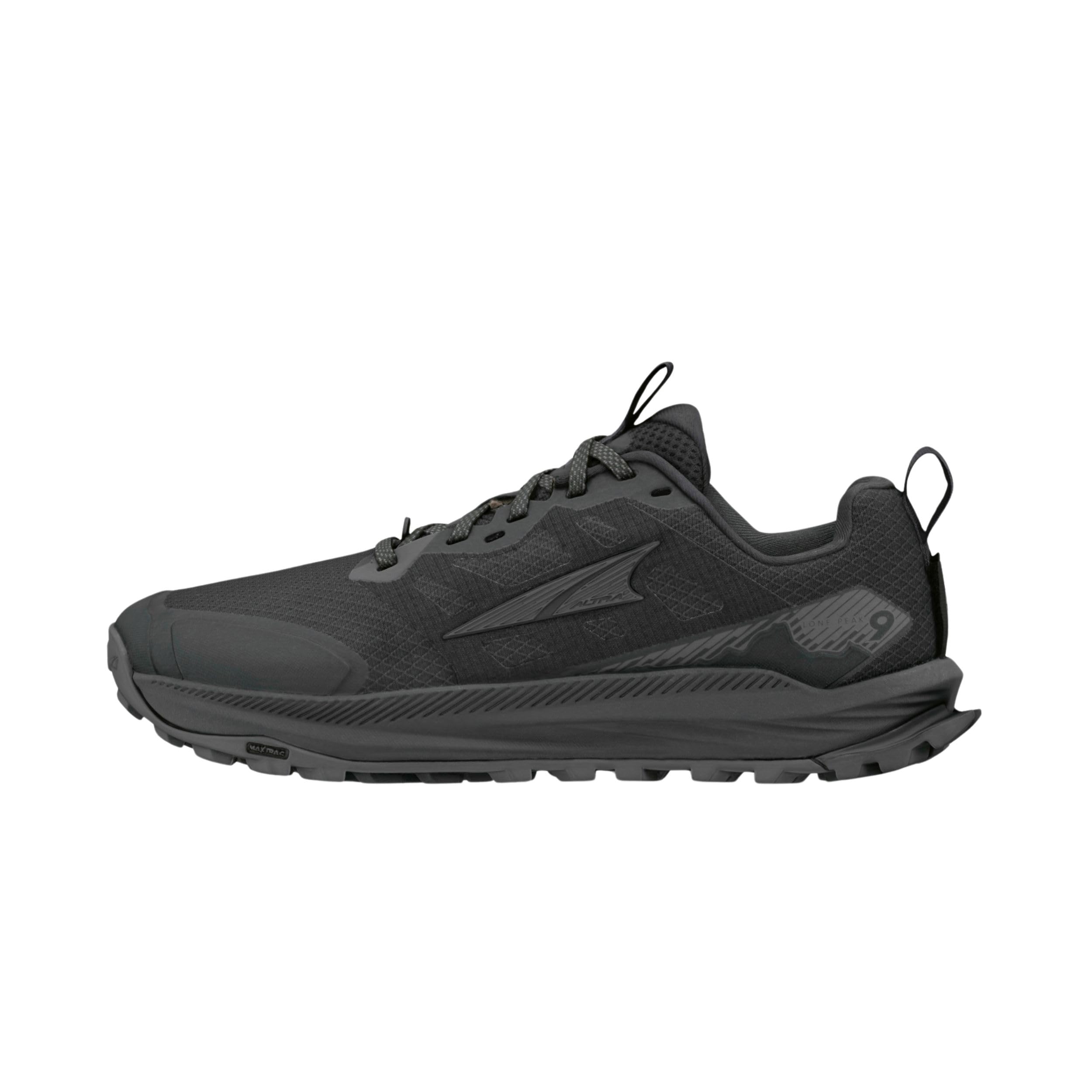
It is a solid choice for beginners who want a roomy, cushioned trail shoe with reliable grip and natural foot alignment.
Pros
- Wide toe box that reduces pressure on toes.
- Cushioned midsole for comfort on longer walks.
- Tough outsole with good traction on varied trails.
Cons
- Not water resistant for wet conditions.
- May require different sizing for some users.
- Moderate support might feel light for heavy terrain.
The Lone Peak 9 stands out for its roomy fit and low-profile design. It lets the toes spread and promotes a natural stride, which many new trail runners find more comfortable than narrow shoes.
Cushioning sits in the middle range, so it soaks up bumps without feeling overly soft. The outsole uses a multi-directional lug pattern that grips dirt and rocks well for most non-technical trails.
Breathable ripstop mesh helps keep feet cool on warm days, but that same mesh means it will let water in on wet trails. Runners who need more ankle support or waterproofing might want to look elsewhere.
They should check sizing notes before buying; some shoppers sized up for the best fit. Overall, this shoe fits beginners who favor comfort, toe room, and steady traction on moderate trails.
Lone Peak 8 (ALTRA)
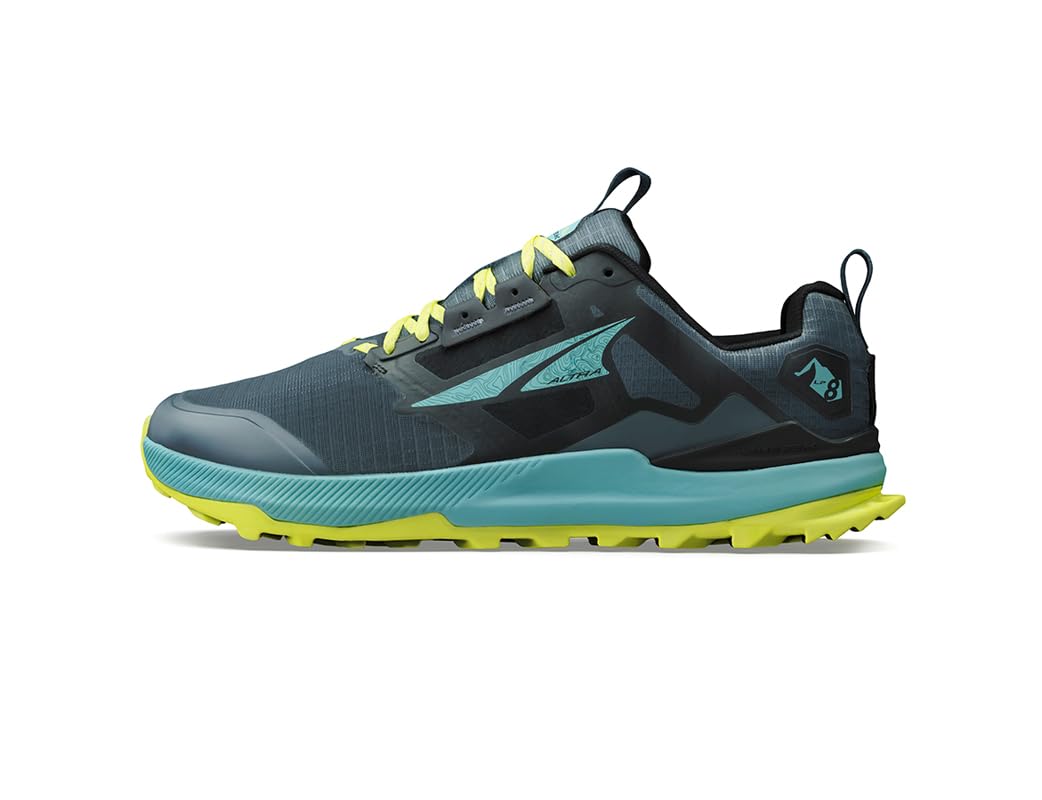
It is a solid choice for beginners who want roomy, zero-drop trail shoes with good grip and cushioned ride.
Pros
- Wide toe box eases toe pain and lets toes spread naturally
- Good traction handles varied trail surfaces confidently
- Lightweight cushioning gives a balanced, responsive feel
Cons
- Not water resistant for wet conditions
- Some users report limited long-term durability
- Zero-drop take time to adapt for new users
The Lone Peak 8 focuses on natural foot alignment and comfort. It suits people who prefer a flat platform and extra toe space, which can help reduce pressure on forefoot conditions.
Traction and outsole design perform well on dirt, gravel, and rock, so beginners get stable footing on common trail surfaces. The ripstop upper breathes but can show wear sooner than tougher materials.
Cushioning offers a springy, responsive ride without feeling heavy. New runners should expect a brief break-in period for zero-drop shoes and may want to alternate with other shoes at first.
Brooks Cascadia 19
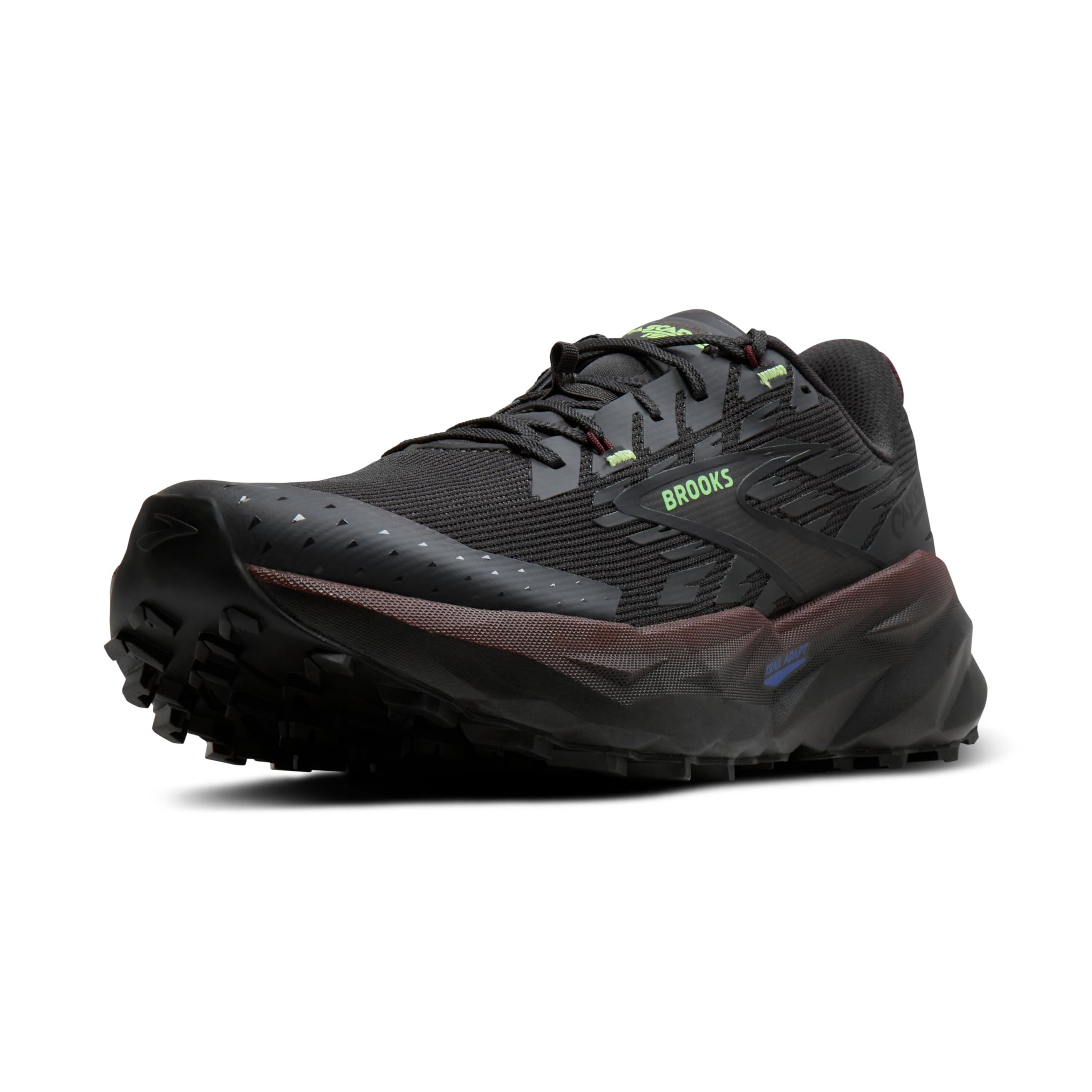
It is a strong choice for beginners who want stable, cushioned trail shoes that handle varied terrain.
Pros
- Stable ride with adaptive support
- Soft, responsive cushioning underfoot
- Grippy outsole for wet and dry trails
Cons
- Not water resistant
- May feel bulky for very light-footed runners
- Color options are limited
The Cascadia 19 focuses on stability and protection. It uses a flexible rock shield and added cushioning to help reduce impact and guard the foot on rough trails.
The upper breathes and dries quickly, and overlays protect against debris. The outsole uses recycled content rubber for traction across mud and rocks.
Beginners will like the secure fit and softer heel-to-toe feel that makes uneven trails less jarring. Those who prefer minimal, very light shoes or need waterproofing might look elsewhere.
Buying Guide
When choosing trail running shoes, the reader should start with fit. Shoes must feel snug in the heel and midfoot, with a little room in the toe box to prevent blisters and black toenails. They should try shoes later in the day when feet are slightly swollen.
Next, consider the terrain and cushion level. Lower stack and firmer midsoles work well on technical, rocky trails for more control. Softer, higher-cushion shoes suit longer runs on softer or mixed trails to reduce fatigue.
Look at traction and outsole design. Deep, widely spaced lugs shed mud and grip loose surfaces. A smoother, shallower tread works better on hard-packed dirt or gravel.
Check protection and stability features. Rock plates, reinforced toe caps, and sturdy sidewalls guard against sharp rocks and roots. Shoes with extra heel counters or broader bases add stability for uneven ground.
Think about weight and flexibility. Lighter shoes save energy on long runs but may offer less protection. More flexible soles allow natural foot movement; stiffer soles give support on sharp rocks.
Pay attention to water handling and breathability. Fast-draining materials and mesh help feet dry quickly. Waterproof membranes keep water out but can trap heat and slow drying.
Use a short checklist before buying:
- Fit: heel secure, toe room
- Cushion: low vs. high stack
- Traction: lug depth and pattern
- Protection: rock plate, toe cap
- Weight and flexibility
- Water handling and breathability
They should test shoes on similar terrain and run a short distance before deciding.
Editor’s Choice
They pick the Salomon Speedcross 6 as the top pick for new trail runners who need grip and protection. It offers strong traction on mud and loose rock, a cushioned ride, and a secure fit that helps prevent blisters.
The shoe balances comfort with stability. The midsole cushions long walks and short runs, while the deep lugs bite into soft terrain. It is heavier than road shoes but still light enough for most beginners.
Key features at a glance:
- Traction: Aggressive lugs for mud and loose dirt.
- Protection: Reinforced toe cap and rock plate for sharp trails.
- Fit: Narrower last with a snug heel lock to prevent slipping.
They recommend sizing up if someone plans to run downhill or carry a pack. A bit more room in the toe box reduces the chance of black toenails. Beginners should try them on with the socks they will wear on runs.
The Speedcross 6 suits walkers and new runners who want rugged footing and reliable protection. It may not fit wider feet comfortably, so alternatives with a roomier toe box might work better for those users.
FAQS
What should a beginner look for in trail running shoes?
They should pick shoes with good traction, steady support, and enough cushioning for comfort. Fit matters most; shoes should feel snug but not tight.
How often should trail running shoes be replaced?
Most shoes last 300–500 miles depending on terrain and runner weight. Heavier use or very rough trails may need replacement sooner.
Are trail shoes heavier than road shoes?
Yes, trail shoes are usually a bit heavier because they add protection and tougher soles. The extra weight helps with grip and durability on rough ground.
Can beginners use road shoes on trails?
They can on short, easy trails, but it’s safer to use trail shoes for rocky, muddy, or steep routes. Trail shoes lower the risk of slipping and foot injuries.
What sock type works best with trail shoes?
Moisture-wicking socks reduce blisters and keep feet dry. Thicker socks offer more cushioning and protection on rough terrain.
How should a beginner care for trail shoes?
Let them air dry after wet runs and remove excess dirt with a brush. Avoid machine washing and high heat; it can damage the materials.
Is ankle support necessary?
Not always. Many beginners do fine with low-cut trail shoes that have good stability. Hikers with weak ankles may prefer mid- or high-cut models.
Conclusion
Choosing the right trail running shoe helps reduce injury risk and makes runs more enjoyable. Beginners should focus on fit, cushioning, traction, and weight.
They should try shoes on with the socks they’ll wear while running. A snug heel and enough toe room matter more than brand names.
Light, cushioned shoes suit short, mixed-surface runs. Stiffer, more protective shoes work better for rocky or technical trails.
If unsure, start with a neutral, all-purpose trail shoe and test it on local trails. Gradually increase distance and note any discomfort early.
Budget matters, but comfort and fit come first. Replacing shoes every 300–500 miles keeps cushioning effective and support reliable.
A simple checklist can help:
- Fit: snug heel, room in toe box
- Traction: lugs for grip
- Cushioning: enough for distance planned
- Protection: rock plate or reinforced toe for rough trails
They should also consider visiting a specialty store for fitting and trying multiple models. Proper choice makes trail running safer and more fun.