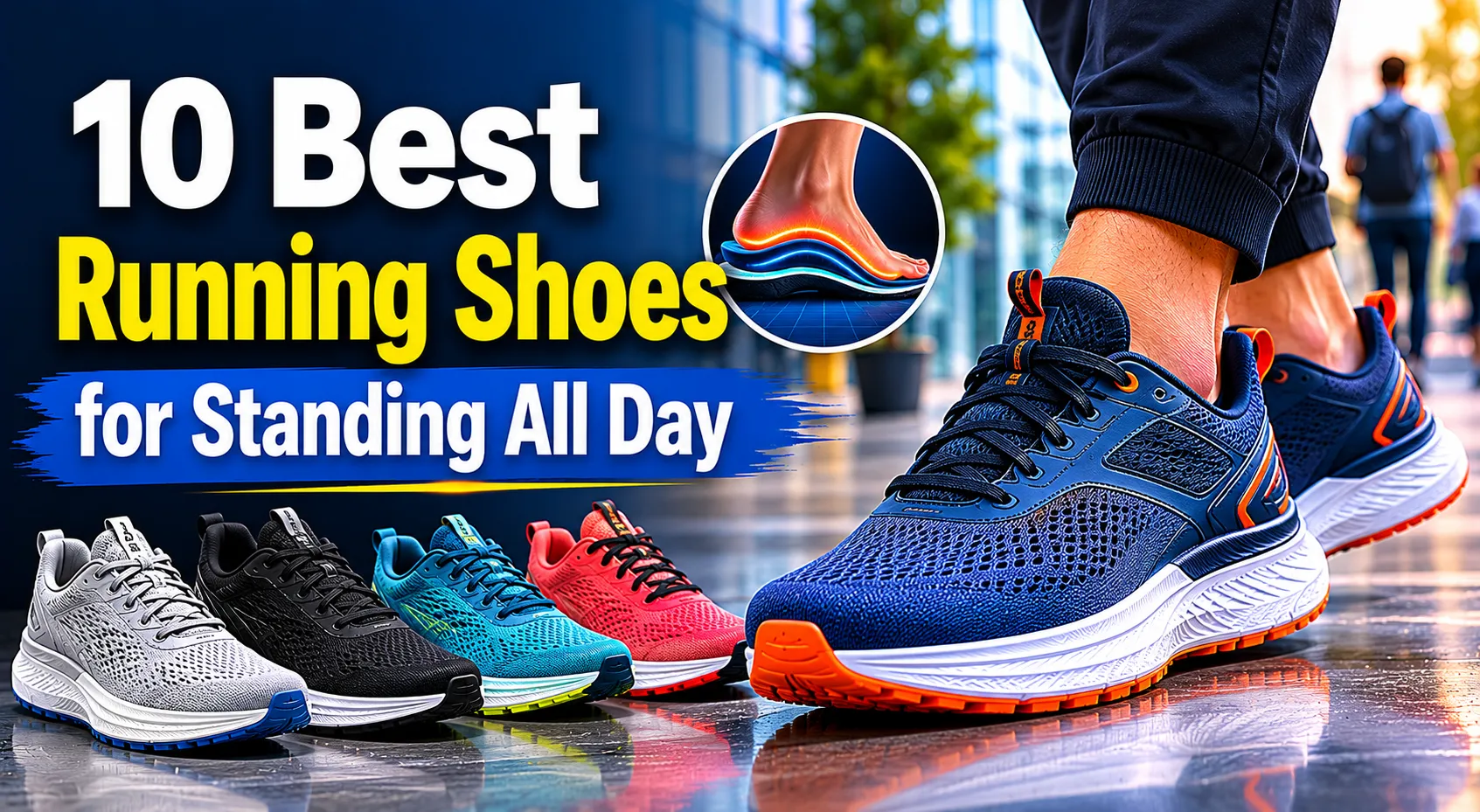
Standing all day strains feet, ankles, and lower back, so choosing the right running shoe for long shifts matters. Running shoes built for standing focus on cushioning, stable support, and durable outsoles to reduce fatigue and protect joints during long periods on hard floors. They often blend responsive midsoles, roomy toe boxes, and breathable uppers to keep feet comfortable hour after hour.
Buyers should pay close attention to cushioning type, arch support, and overall fit, since a shoe that feels good for running may not work for all-day standing. Cushioning that absorbs shock without collapsing, a stable platform to prevent inward roll, and a proper fit for toe splay are the most important features to reduce pain and fatigue. This guide tests popular models and highlights those best suited for people who need shoes that cushion, support, and last through long days.
10 Best Running Shoes for Standing All Day
Below is a list of the best running shoes that offer cushioning, support, and durability for people who spend long hours on their feet. They chose shoes that balance comfort and breathability while reducing foot fatigue during long shifts.
Skechers Max Cushioning Endeavour (Women)
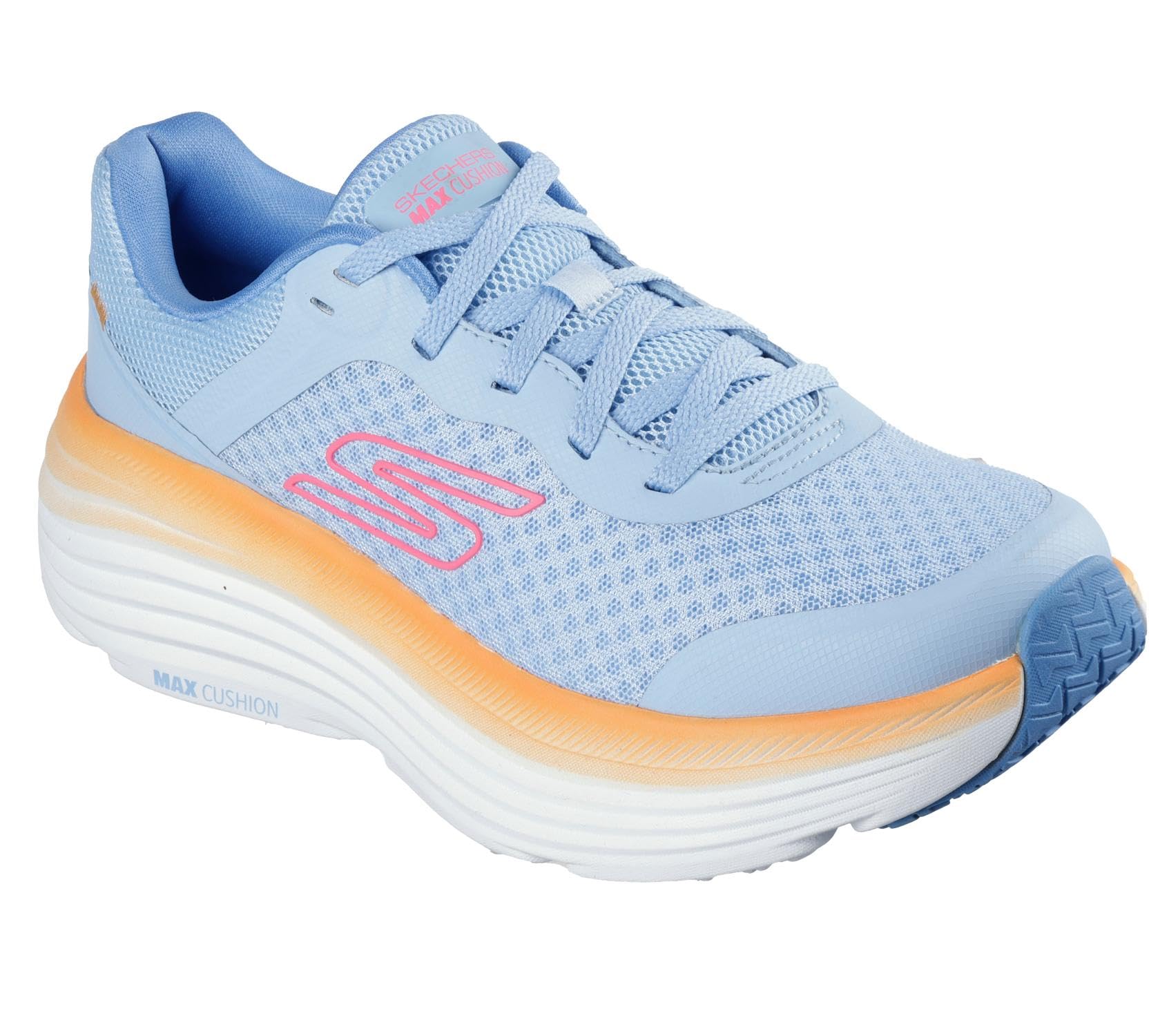
They are a solid pick for people who stand all day because they offer thick, responsive cushioning and a roomy fit.
Pros
- Very soft, high-rebound cushioning for long hours on feet
- Breathable mesh upper keeps feet cool
- Wide fit and stable rocker feel help reduce fatigue
Cons
- Rocker motion may feel odd at first
- Not water resistant for wet conditions
- Extra cushion adds some bulk and height
The midsole delivers plush, responsive padding that helps absorb impact during long shifts. The Air-Cooled Goga Mat insole adds bounce while the Natural Rocker Technology smooths each step.
The mesh upper and synthetic overlays promote airflow and light support. Wearers who need a wider toe box should find these comfortable right away.
These shoes run bulky compared with low-profile trainers, so they suit people who prefer max cushioning rather than a minimalist feel. Machine washable fabric makes care simple for daily use.
Brooks Glycerin 22
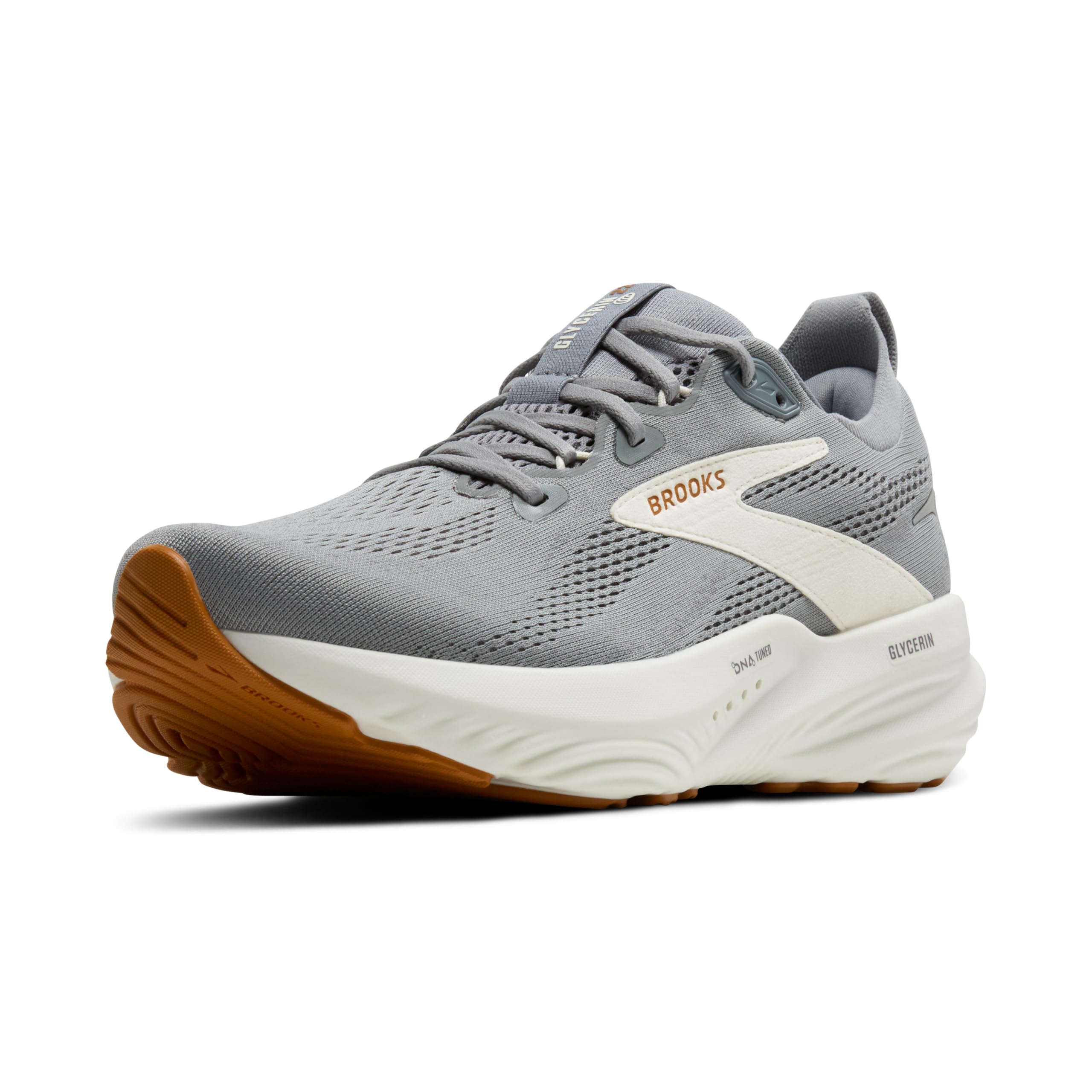
It is a strong pick for someone who needs plush cushioning and stable support for long hours on their feet.
Pros
- Very soft, responsive cushioning for all-day comfort
- Wide, stable platform eases long standing shifts
- Breathable knit upper fits a variety of foot shapes
Cons
- Feels bulky to users who prefer minimal shoes
- Not water resistant for wet conditions
- Lacking extra motion-control for heavy pronation
This shoe highlights maximum cushioning and a tuned midsole that helps create smoother heel-to-toe steps. People who stand all day will likely notice the thick foam underfoot and broad base that reduce pressure on the soles.
The knit upper gives a flexible fit that adapts to foot shape without feeling tight. It also lets air flow, which helps during long shifts in warm indoor settings.
Some buyers find the Glycerin 22 heavier than lighter trainers, and the extra padding can feel clunky on slick floors. Those who need strong corrective support for pronation may want a more structured model.
Overall, it suits someone who values plush comfort, stable footing, and breathable fit while spending many hours upright.
New Balance Fresh Foam 520 v9 (Men’s)
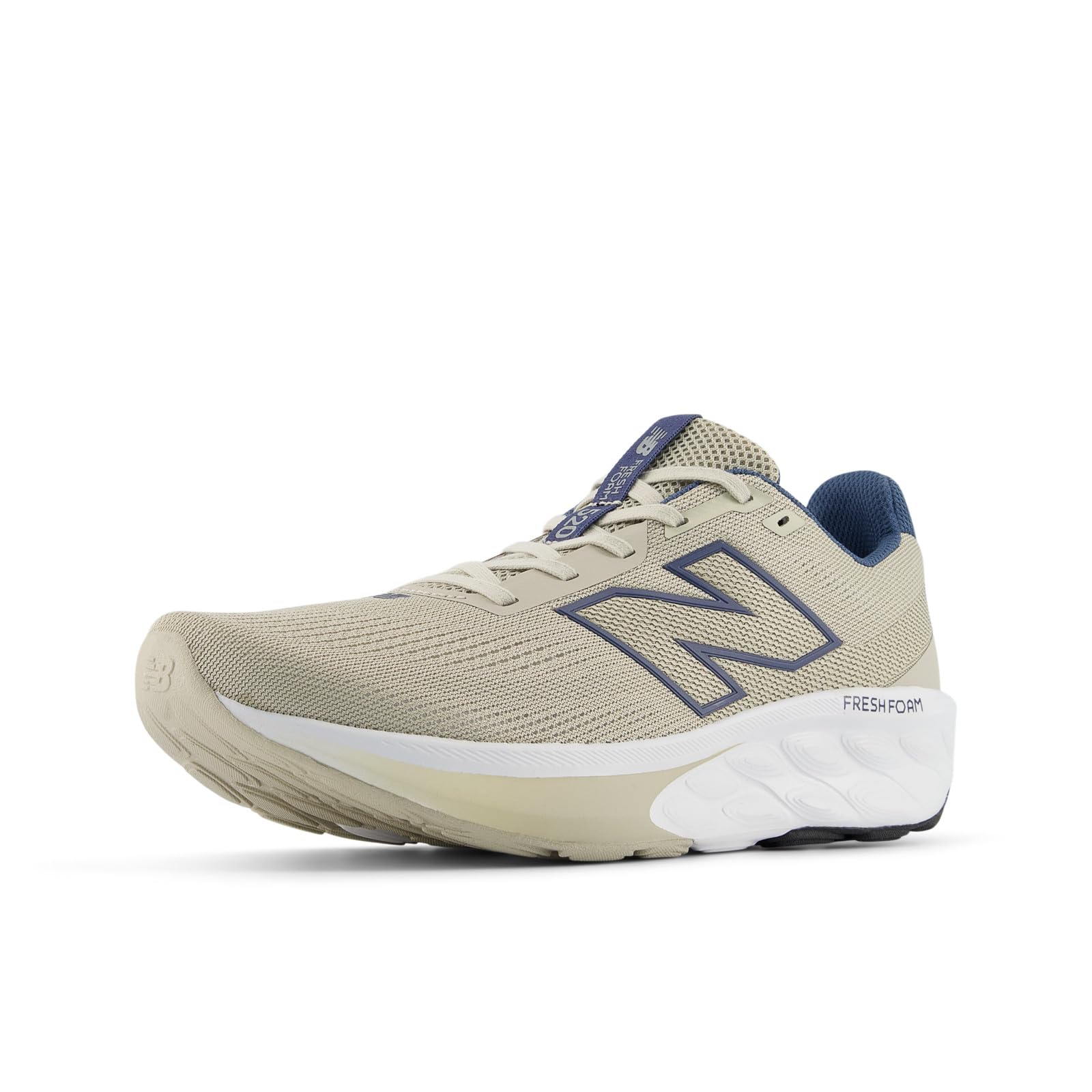
It is a solid choice for someone who needs cushioned, lightweight shoes for long hours on their feet and casual runs.
Pros
- Plush Fresh Foam cushioning feels comfortable for long standing periods.
- Breathable mesh keeps feet cooler during long shifts.
- Lightweight design works for all-day wear and casual running.
Cons
- Not built for very high-mileage running or heavy training.
- Lacks water resistance for wet conditions.
- May fit slightly different compared to some other brands.
The Fresh Foam midsole gives steady, soft cushioning that helps reduce foot fatigue when standing for hours. It aims for comfort rather than high-end performance, so it suits people who mix walking, light running, and long standing shifts.
The mesh upper allows good airflow and helps avoid a hot, sweaty feel after long use. The shoe stays light, which makes it easy to move around during a busy day without feeling weighed down.
Durability is fine for road wear and daily use, but people who log heavy mileage might want a more premium model. Those who need water protection or rugged trail grip should look elsewhere.
UA Charged Assert 9 — Women’s

It is a solid choice for people who stand all day and want breathable, cushioned support without heavy features.
Pros
- Lightweight and airy upper keeps feet cooler.
- Cushioned midsole gives steady heel padding.
- Flexible outsole helps with natural foot movement.
Cons
- Fit can run narrow for some, especially in half sizes.
- Not water resistant for wet workplaces.
- Minimal arch support for those needing strong stability.
The mesh upper looks very breathable and helps reduce sweat during long shifts. Padding around the ankle and tongue adds comfort when standing for hours.
Charged Cushioning in the midsole aims to give responsive feel and lasting foam support at each step. The outsole pattern improves traction and lets the shoe flex with natural movement.
Those who use custom orthotics may find they fit, but people needing high arches or extra stability might prefer a more structured shoe. Sizing varies in reviews, so check fit options before buying.
Brooks Adrenaline GTS 25
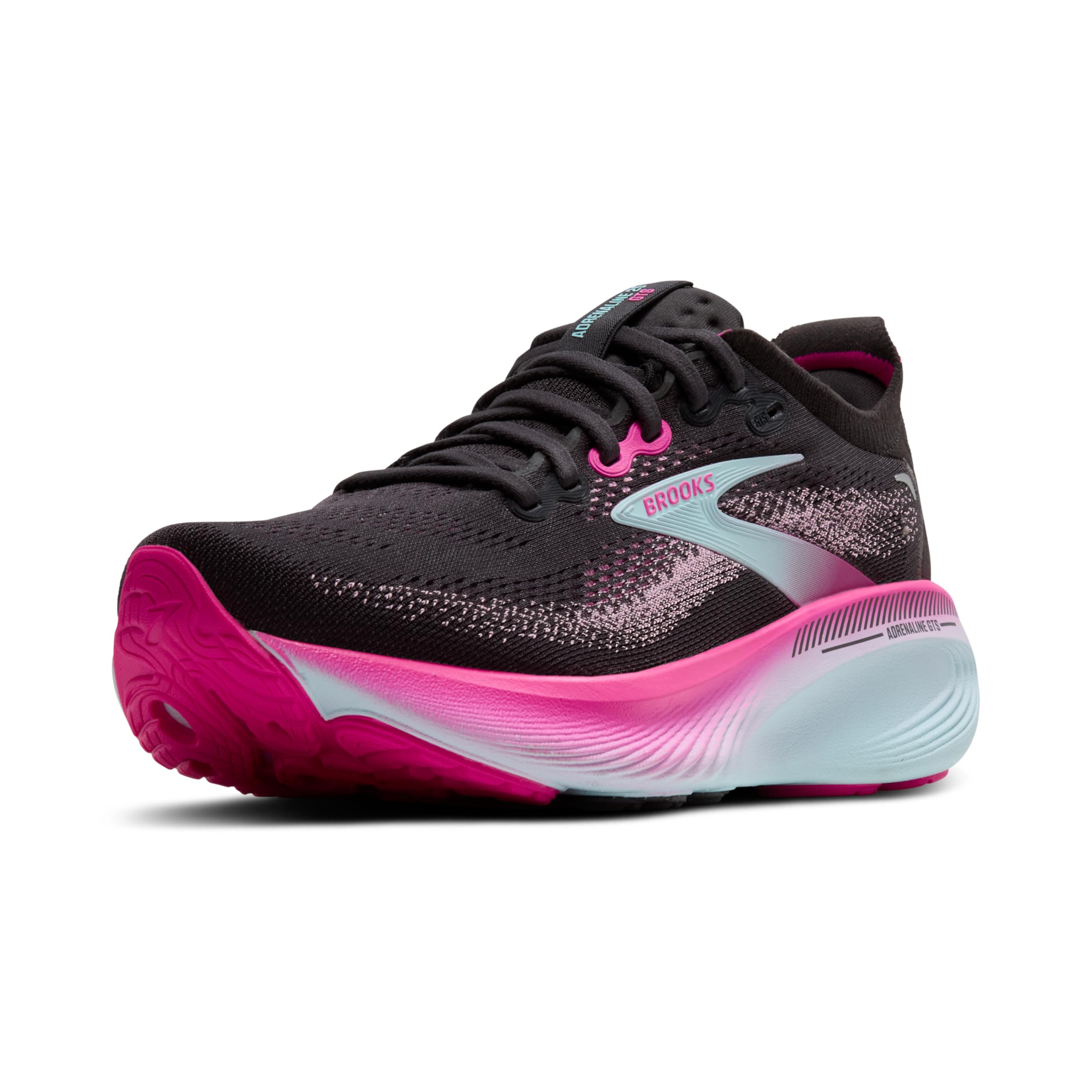
It is a solid choice for people who need steady support and cushioned comfort for long hours on their feet.
Pros
- Stable support that limits excess foot motion
- Soft, responsive cushioning for long wear
- Breathable fit that stays secure during activity
Cons
- Some users report heel rubbing and blisters
- Not water resistant for wet conditions
- May feel firm to those who prefer very plush soles
The shoe focuses on guiding the foot through natural motion while reducing side-to-side movement. That design helps keep knees and hips aligned during long shifts or long walks.
Cushioning uses a newer foam blend that feels soft but still springs back. Many shoppers note instant comfort, which can matter when standing for hours.
Fit aims to be secure with a knit collar and mesh upper, yet a few customers saw heel irritation. Trying the fit for a short walk first can help avoid blister issues.
New Balance Fresh Foam Arishi V4

This shoe is a solid pick for someone who needs cushioned, breathable footwear for long hours on their feet.
Pros
- Plush Fresh Foam midsole for steady cushioning
- Breathable mesh upper keeps feet cooler during long days
- Lightweight design with no-sew construction reduces bulk
Cons
- Insole feels fairly flat for those needing strong arch support
- Not water resistant, so not ideal for wet conditions
- Some users find the fit a bit snug depending on foot shape
The Fresh Foam midsole gives noticeable cushioning that absorbs step impact. It leans toward a softer ride, which helps reduce fatigue when standing or moving slowly for long periods.
A mesh upper boosts airflow, so feet stay drier than with solid materials. The no-sew construction cuts weight and smooths the inside, lowering the chance of rubbing.
The shoe fits true to size for many, but a few report a tighter feel, so trying them on or sizing up could help. People who need strong arch support might add an insole for more structure.
New Balance Fresh Foam Arishi V4
Skechers Max Cushioning Glide-Step Caledonia
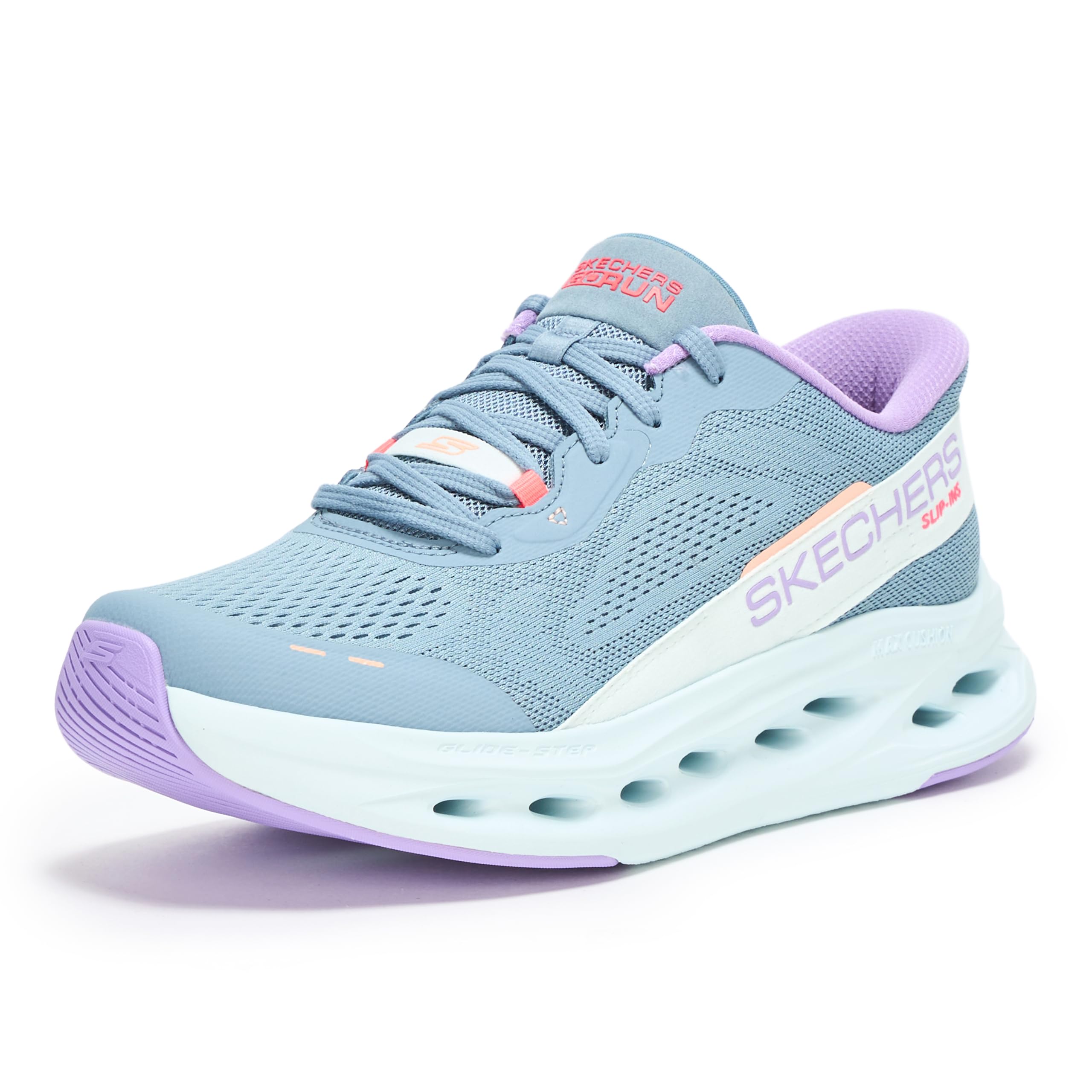
It is a strong pick for people who need soft, high-cushion shoes to stand all day because it focuses on maximum comfort and smooth walking.
Pros
- Very soft, responsive cushioning for long hours on feet
- Breathable mesh and cooling insole reduce sweat and heat
- Easy to slip on and stays secure with Heel Pillow support
Cons
- Bulky look may not suit all styles
- Not water resistant for wet shifts
- Some users needed a half size change for fit
The shoe packs thick Ultra GO foam and Glide-Step rocker tech to ease pressure on the heel and forefoot. That design helps shift weight with each step and can feel gentler during long shifts.
A mesh upper and Air-Cooled Goga Mat insole aim to keep feet cooler than standard foam sneakers. The Hands Free slip-in option makes putting them on quick for busy mornings.
Durability looks solid thanks to the Goodyear Rubber outsole, which adds grip on tile or concrete. Buyers should still avoid heavy wet conditions since the shoe is not water resistant.
Under Armour Charged Assert 10

It’s a solid choice for people who stand all day and want a lightweight, cushioned running shoe for comfort and durability.
Pros
- Responsive cushioning that helps reduce impact.
- Breathable mesh keeps feet cooler during long shifts.
- Durable outsole in high-wear areas.
Cons
- Mesh upper shows dirt and can be hard to clean.
- Not water resistant for wet work conditions.
- Contains a California chemical warning some buyers may want to avoid.
The Charged Assert 10 offers a balance of cushioning and light weight that appeals to workers on their feet. It uses compression-molded foam for a springy feel and an EVA sockliner for softer step-in comfort.
Support comes from synthetic overlays and a rubber outsole that guards the high-impact zones. That helps the shoe last through long shifts and regular walking without feeling heavy.
Some people may not like how the mesh stains or that the shoe isn’t water resistant. Also note the product carries a California warning about chromium compounds, which some shoppers will consider when deciding.
Buyers who want an affordable, cushioned shoe for long standing shifts will find this a practical pick.
Brooks Revel 8
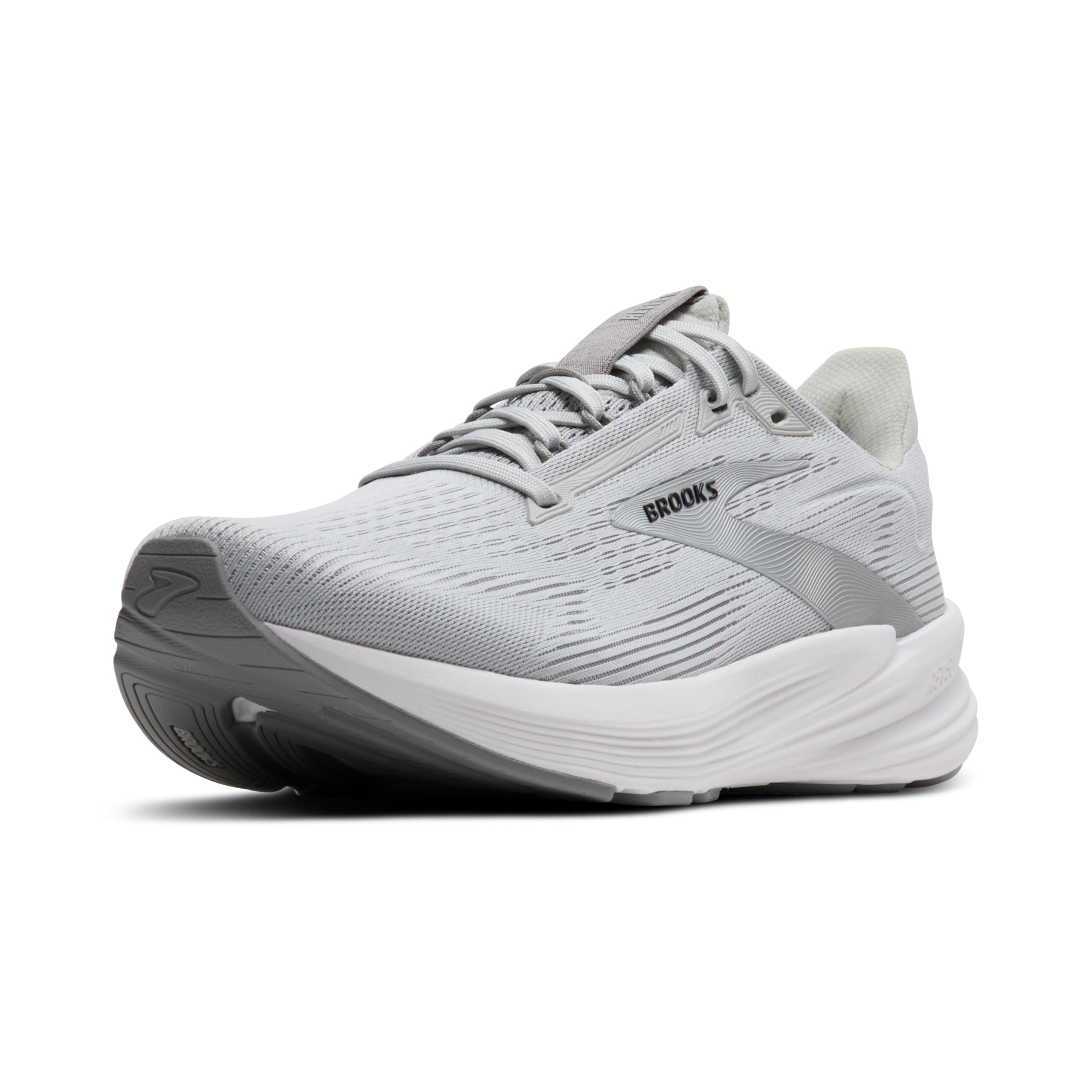
It’s a solid choice for people who want a lightweight, cushioned running shoe that works for walking and short shifts on your feet.
Pros
- Lightweight and breathable for long wear.
- Smooth cushioning that adapts to different paces.
- Versatile style for workouts and casual wear.
Cons
- May lack enough long-term support for full work shifts on hard floors.
- Not water resistant.
- Some reports of fit issues when used with thick orthotics.
The Revel 8 sells itself as a mix of comfort and style. It uses Brooks’ DNA Loft v2 cushioning, which gives a soft, springy feel underfoot without adding bulk.
People who stand only part of the day or move around a lot may like the lightness and breathability. The shoe’s mesh upper keeps feet cooler and the RoadTack outsole aims for good grip and durability.
Those with high support needs or who stand static on concrete for long shifts might find it too soft over many hours. A few buyers said orthotics made the fit tight, so consider sizing or trying insoles first.
Overall, it fits most daily routines that blend walking, short runs, and casual wear rather than long, all-day standing on hard surfaces.
New Balance 520 V9
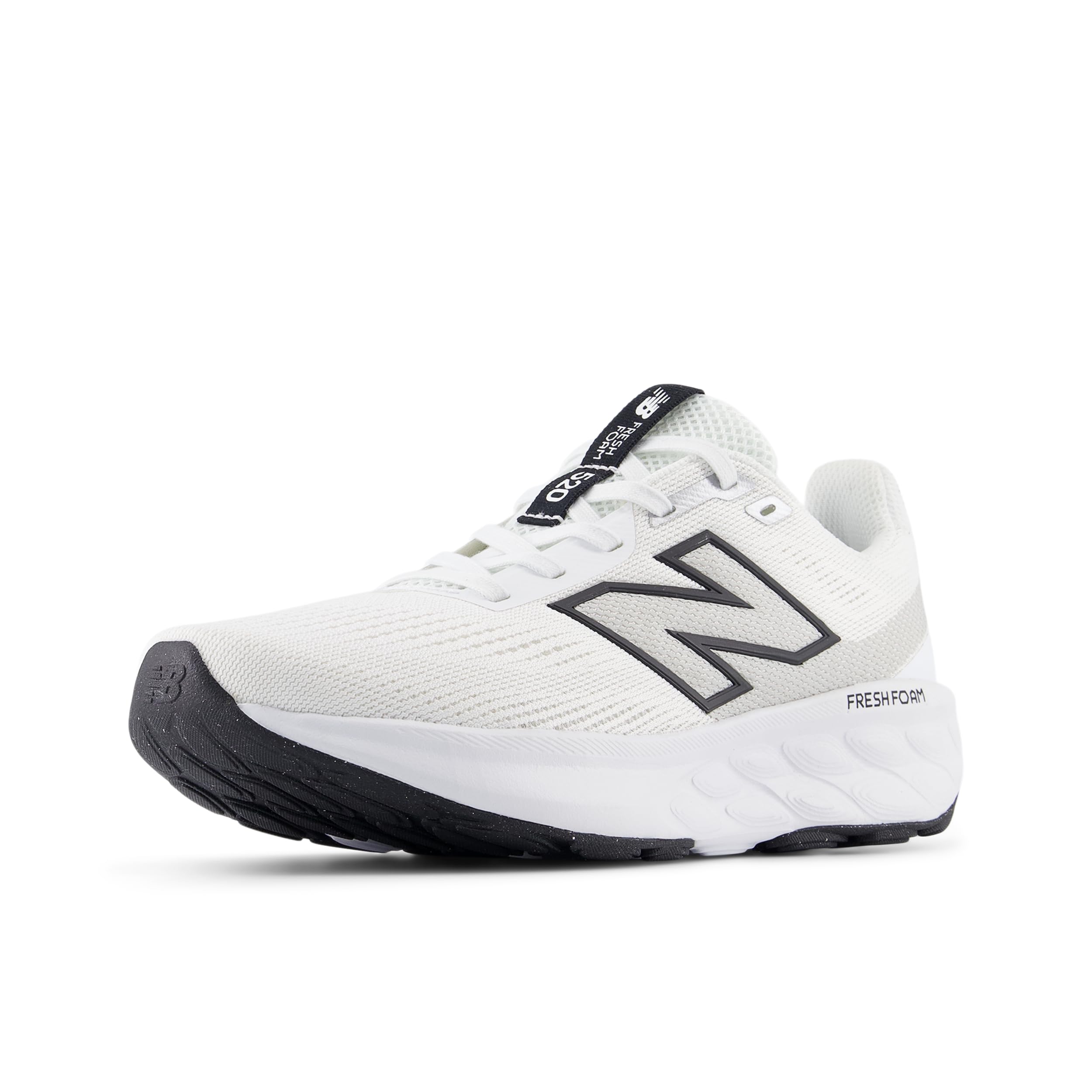
It is a solid choice for someone who needs lightweight, cushioned shoes to stand all day because it pairs responsive Fresh Foam with breathable mesh.
Pros
- Lightweight and easy to wear for long shifts
- Soft Fresh Foam cushioning reduces foot pressure
- Breathable mesh helps keep feet cooler
Cons
- May feel snug at first and need a short break-in
- Not water resistant for wet conditions
- Some may find fit narrow depending on foot shape
The shoe focuses on comfort with a thick Fresh Foam midsole that gives a soft, springy feel underfoot. That can help reduce fatigue during long hours on hard floors.
The upper uses breathable mesh that lets air move, which helps when feet warm up over a long day. The design stays light, so the wearer won’t feel weighed down.
Durability looks reasonable thanks to a rubber outsole, but users who need water protection or wider fit options may need to size carefully or look elsewhere.
Buying Guide
They should focus on cushioning first. Good midsole foam and visible padding reduce foot fatigue during long standing shifts. Look for terms like “responsive” or “pressure-relief” in product details.
They must check arch support next. People with flat feet need firmer support; those with high arches need more contouring. Removable insoles let them swap for custom orthotics if needed.
Durable outsole matters. A non-slip rubber sole increases safety on slick floors. Deep tread helps on varied surfaces and extends shoe life.
Weight affects comfort. Lighter shoes cut down on leg strain when standing for hours. But lightness should not sacrifice cushioning or support.
Fit is critical. They should try shoes late in the day when feet are slightly swollen. There must be about a thumb-width of space at the toe and a snug heel fit to avoid slipping.
Breathability and material influence temperature and hygiene. Mesh or ventilated uppers keep feet cooler. Leather or synthetic uppers may offer more durability and easier cleaning.
Consider flexibility and motion control. A shoe should bend at the ball of the foot while still stabilizing the midfoot. Too rigid or too floppy can cause discomfort.
Look for features that aid long shifts: padded collars, roomy toe boxes, and shock-absorbing heels. They should also verify return policies and warranty periods before buying.
| Feature | Why it matters |
|---|---|
| Cushioning | Reduces pressure on feet and joints |
| Arch support | Prevents overpronation and pain |
| Outsole grip | Improves safety and durability |
| Fit | Stops blisters and improves comfort |
| Breathability | Controls sweat and odor |
Editor’s Choice
The Editor’s Choice picks the shoe that best balances cushioning, support, and durability for people who stand all day. It favors models that reduce foot fatigue and fit a wide range of foot shapes.
They chose a shoe with responsive foam and a supportive midsole. The shoe has a roomy toe box and a firm heel counter to keep the foot stable during long shifts.
Key features:
- Cushioning: Thick but responsive foam that absorbs impact and rebounds without feeling mushy.
- Support: Structured arch support that helps reduce midfoot strain.
- Durability: Hard-wearing outsole and sturdy upper for daily use.
Buyers should try sizes with the socks they usually wear. Wide-width options and removable insoles make customization easy.
FAQS
What features matter most for standing all day?
They should look for good cushioning, arch support, and a roomy toe box. Shock absorption and a firm heel counter also help reduce fatigue.
How often should shoes be replaced?
Replace shoes every 300–500 miles or when cushioning feels flat. For daily standing, check them every 6–9 months.
Are running shoes better than work shoes?
Running shoes can work well if they offer support and durability. Some work shoes add slip resistance and tougher materials not found in running models.
Can insoles improve comfort?
Yes. Removable insoles let users swap in custom or orthotic inserts. That can fix arch or heel pain quickly.
How should shoes fit for long shifts?
They should fit snug at the heel and have a thumb-width space at the toe. Socks matter too; choose moisture-wicking, cushioned socks.
Are lightweight shoes always better?
Not always. Lighter shoes reduce fatigue but may lack enough cushion or support. Balance weight with protective features.
Is break-in time normal?
Yes. New shoes may need a few wears to soften and mold to the foot. Pain that persists after a week may mean a wrong fit.
How to care for shoes to last longer?
Air them out and rotate pairs when possible. Clean soles and avoid machine drying to preserve cushioning.
Conclusion
Choosing the right running shoe helps people who stand all day reduce foot pain and stay more comfortable. They should look for shoes with good cushioning, arch support, and a stable sole.
A proper fit matters most. If a shoe feels tight or slips, it will cause problems over time. Trying shoes on later in the day can help find a better fit.
People with specific foot issues should pick shoes that address those needs. For example, those with flat feet may need motion control shoes, while those with high arches may need extra cushioning.
Budget and durability both matter. A more expensive shoe can last longer and protect better, but affordable shoes can work if they meet key criteria like support and cushioning.
It helps to rotate shoes and replace them when cushioning breaks down. Most shoes need replacement after 300–500 miles or when comfort drops.
Use this checklist to compare options:
- Cushioning: Soft but responsive
- Support: Matches foot type
- Fit: Secure with room in the toe box
- Durability: Sole and upper hold up over time
They should pick the shoe that fits their feet, their work demands, and their budget. Trying several models and reading neutral reviews leads to a smarter choice.