Many runners need shoes that support low or fallen arches to reduce pain and prevent injury. Running shoes for flat feet focus on stability, arch support, and motion control to keep the foot aligned during each stride. Good shoes for flat feet combine firm midsole support with enough cushioning to absorb impact while guiding the foot through a natural gait.
Buyers should pay close attention to arch support type, midsole firmness, and shoe width, since a poor fit can worsen discomfort. Stability features like medial posts, firmer foam, and a supportive heel counter matter most, along with proper sizing and breathable uppers for long runs. This guide tests and compares the best options so readers can find shoes that match their support needs and running style.
10 Best Running Shoes for Flat Feet
Below is a list of the best running shoes for flat feet, chosen for support, cushioning, and stability. Each shoe helps reduce overpronation and offers comfort for daily runs and long workouts.
Brooks Adrenaline GTS 25
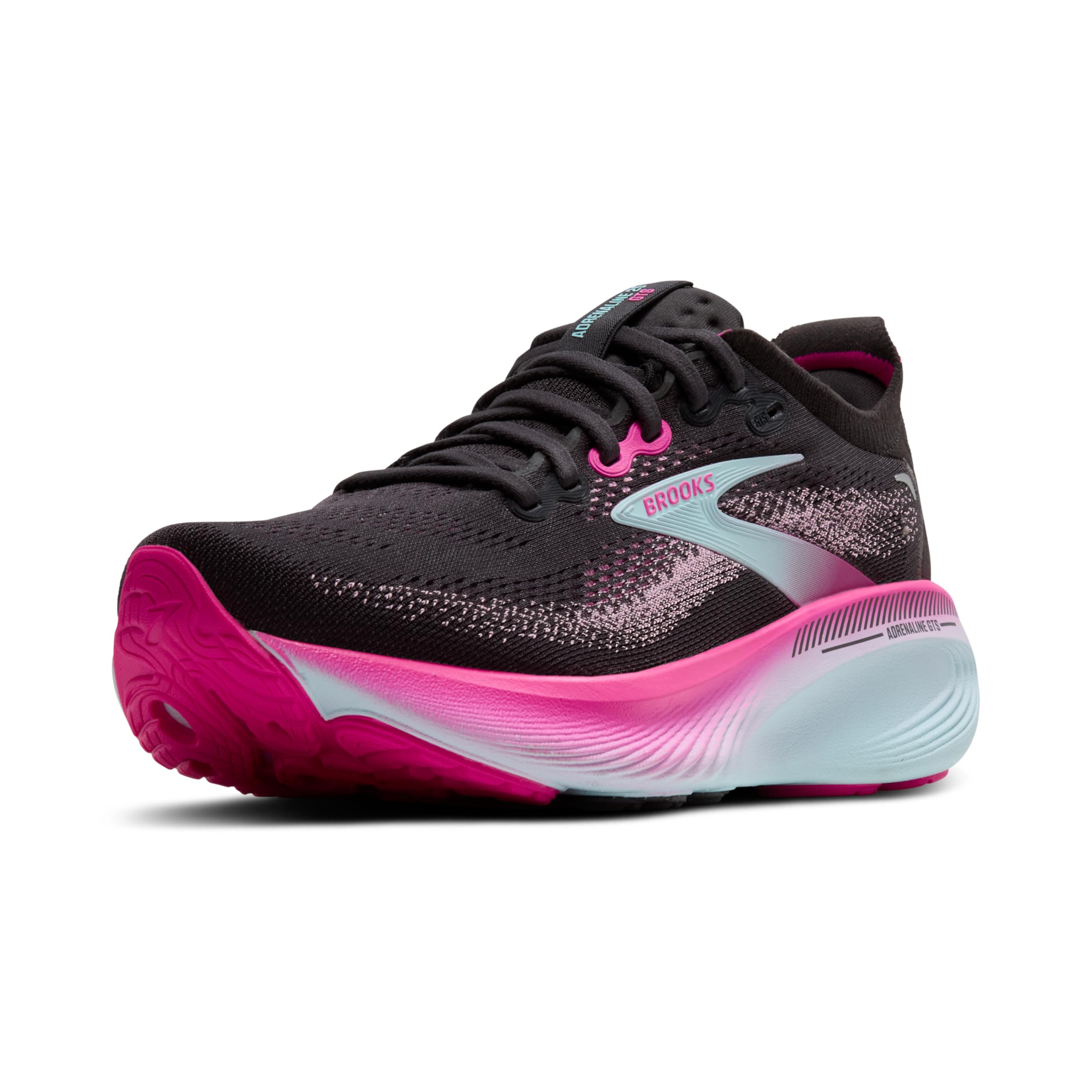
This shoe is a strong pick for flat feet because it offers steady support and cushioned comfort for walking or running.
Pros
- Stable support that limits excess foot movement
- Soft, responsive cushioning for long miles
- Breathable upper with a secure fit
Cons
- Some users report heel rubbing and blisters
- Not water resistant
- Moderately heavy for speed-focused runners
The Brooks Adrenaline GTS 25 focuses on support through its GuideRails system, which helps keep the foot aligned during movement. Runners with flat feet will likely notice steadier control and fewer inward rolls.
Cushioning feels soft and lively thanks to updated DNA LOFT v3 foam. People who need comfort for long walks or standing shifts may find this shoe reduces fatigue.
The upper fits securely but can create heel hotspots for some wearers. Flat-footed buyers should check fit carefully and consider thicker socks or a different insole if they get rubbing.
Brooks Beast GTS 24

It is a strong choice for runners with flat feet who need firm support and lots of cushioning.
Pros
- Very stable support for overpronation.
- Plush, long-lasting cushioning that lessens impact.
- Roomy fit for wider feet and long days on your feet.
Cons
- Feels bulky compared with lighter running shoes.
- Not water resistant, so wet weather can be a problem.
- Some users find the toe area narrower than expected.
The Beast GTS 24 focuses on stability. It uses GuideRails to limit excess movement and a dense midsole that keeps the foot aligned during runs or long walks.
Cushioning stays soft but durable thanks to the nitrogen-infused DNA LOFT v3 foam. This helps absorb shock and can reduce discomfort for people with flat arches or joint pain.
The upper gives a secure, roomy fit, which helps for wider feet and extended wear. Expect a heavier, more substantial shoe meant for support rather than speed.
Brooks Adrenaline GTS 25
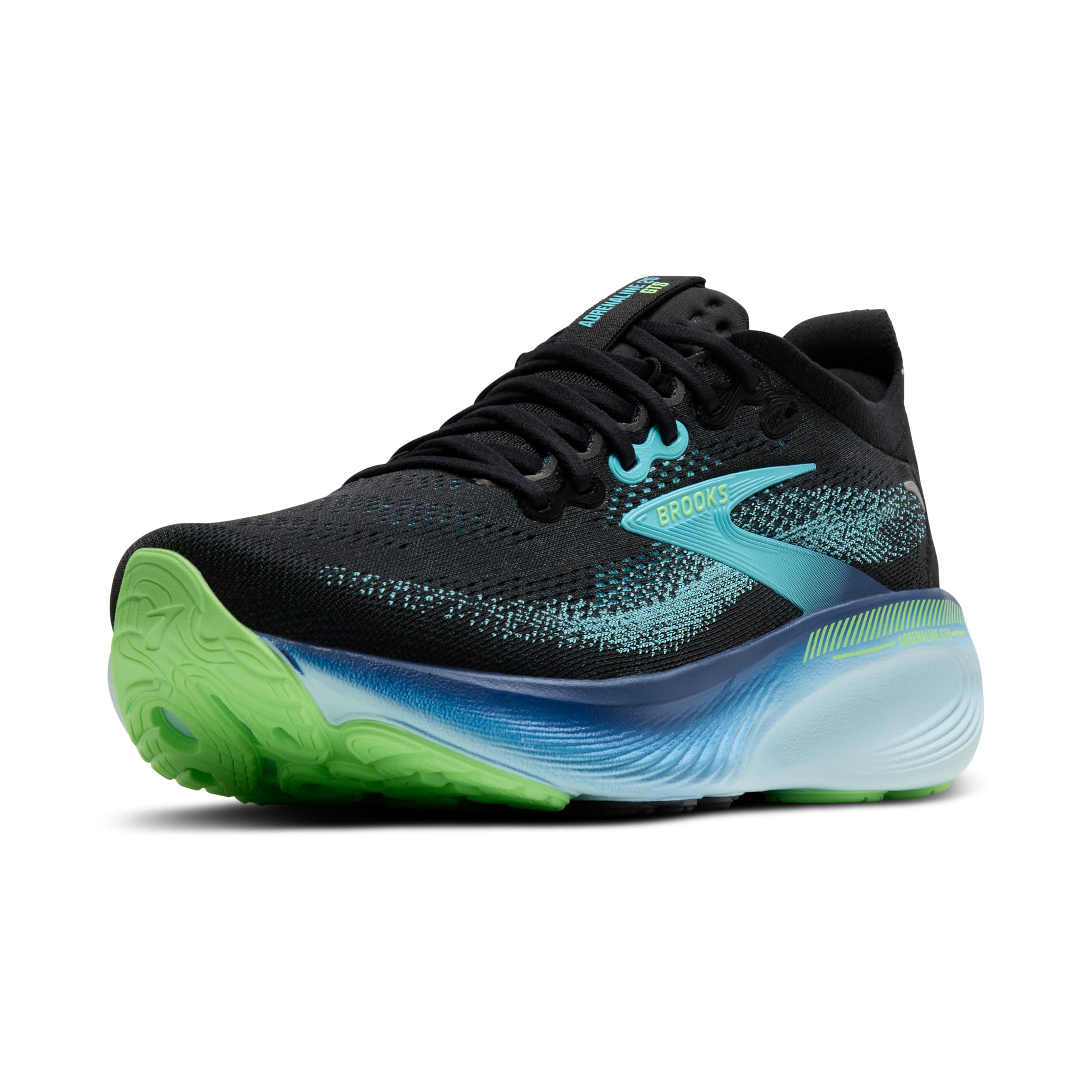
It is a solid choice for flat feet when someone needs stable support and cushioned comfort for daily runs or long walks.
Pros
- Strong support that limits excess inward roll.
- Plush, responsive cushioning for long miles.
- Breathable fit that stays comfortable all day.
Cons
- Pricier than some stability shoes.
- Not water resistant for wet runs.
- Might feel bulky to runners who want minimal shoes.
The Adrenaline GTS 25 focuses on steady support. Its GuideRails system helps keep the foot aligned, which can reduce strain for people with low arches.
Cushioning uses updated DNA LOFT v3 foam for a softer ride without feeling mushy. Many shoppers praise the fit and comfort right out of the box.
The upper balances structure and breathability, so it works well for both running and walking. Those who need a very lightweight or water-ready shoe may want to compare other options first.
Brooks Glycerin 22
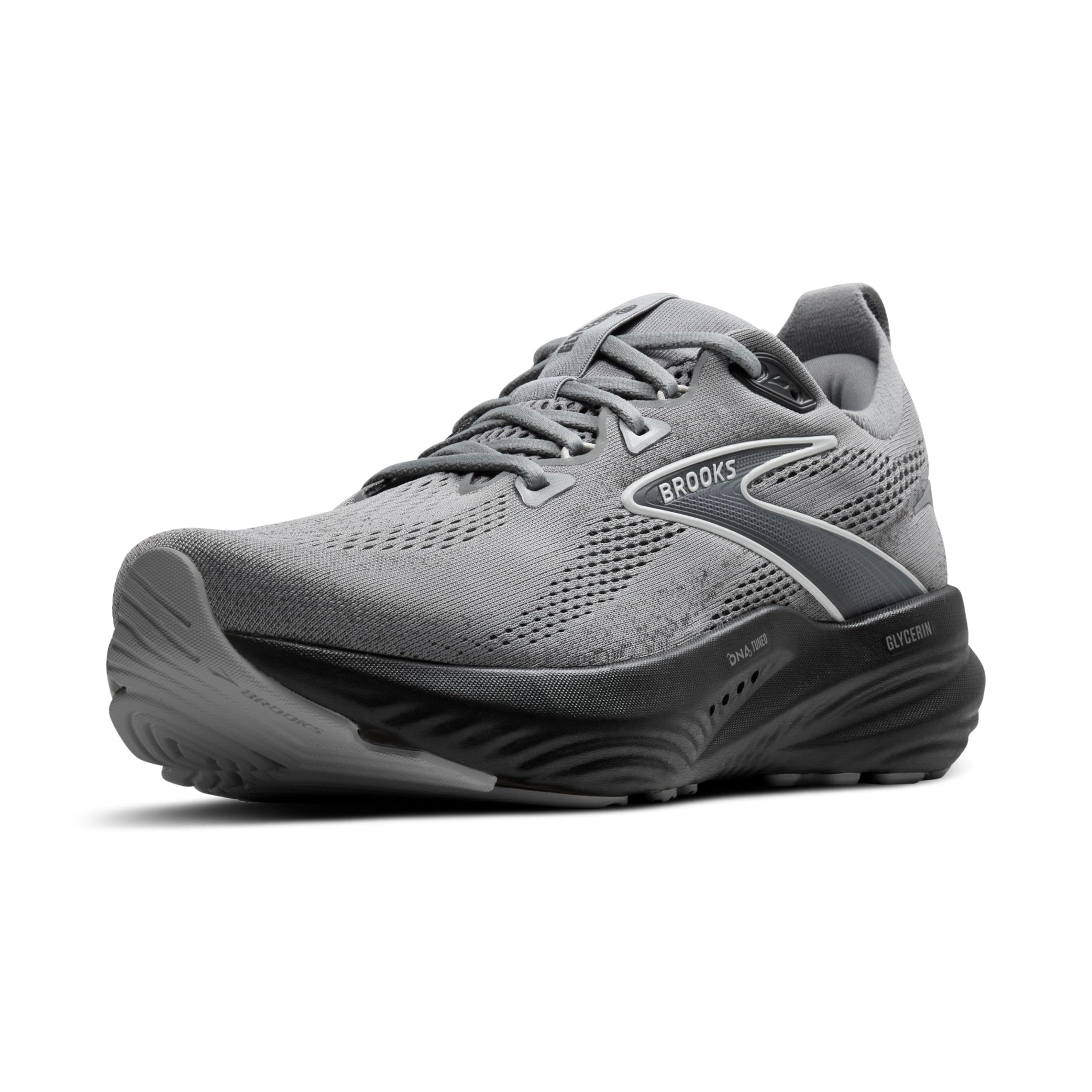
It is a solid pick for runners with flat feet who want plush cushioning and stable road performance.
Pros
- Very soft, high-level cushioning for long runs and walking
- Broad platform helps keep the foot steady through strides
- Breathable, stretchy upper fits a range of foot shapes
Cons
- May feel bulky to runners who prefer a minimal shoe
- Lacks targeted motion control for severe overpronation
- Not water resistant
The Glycerin 22 focuses on maximum cushioning and smooth transitions. It uses updated midsole cells to give soft landings at the heel and a livelier toe-off, which helps reduce strain for flat-footed runners on pavement.
Runners who value comfort will like the roomy, flexible knit upper that adapts to wider feet. The shoe’s broad base adds a sense of stability without adding rigid support, so it suits neutral runners or those with mild flat feet.
Someone needing strong corrective support for heavy overpronation should consider a stability model instead. For day-to-day road miles, long training runs, or walking, this shoe delivers plush comfort and steady performance.
Brooks Ghost 17 (Women’s)
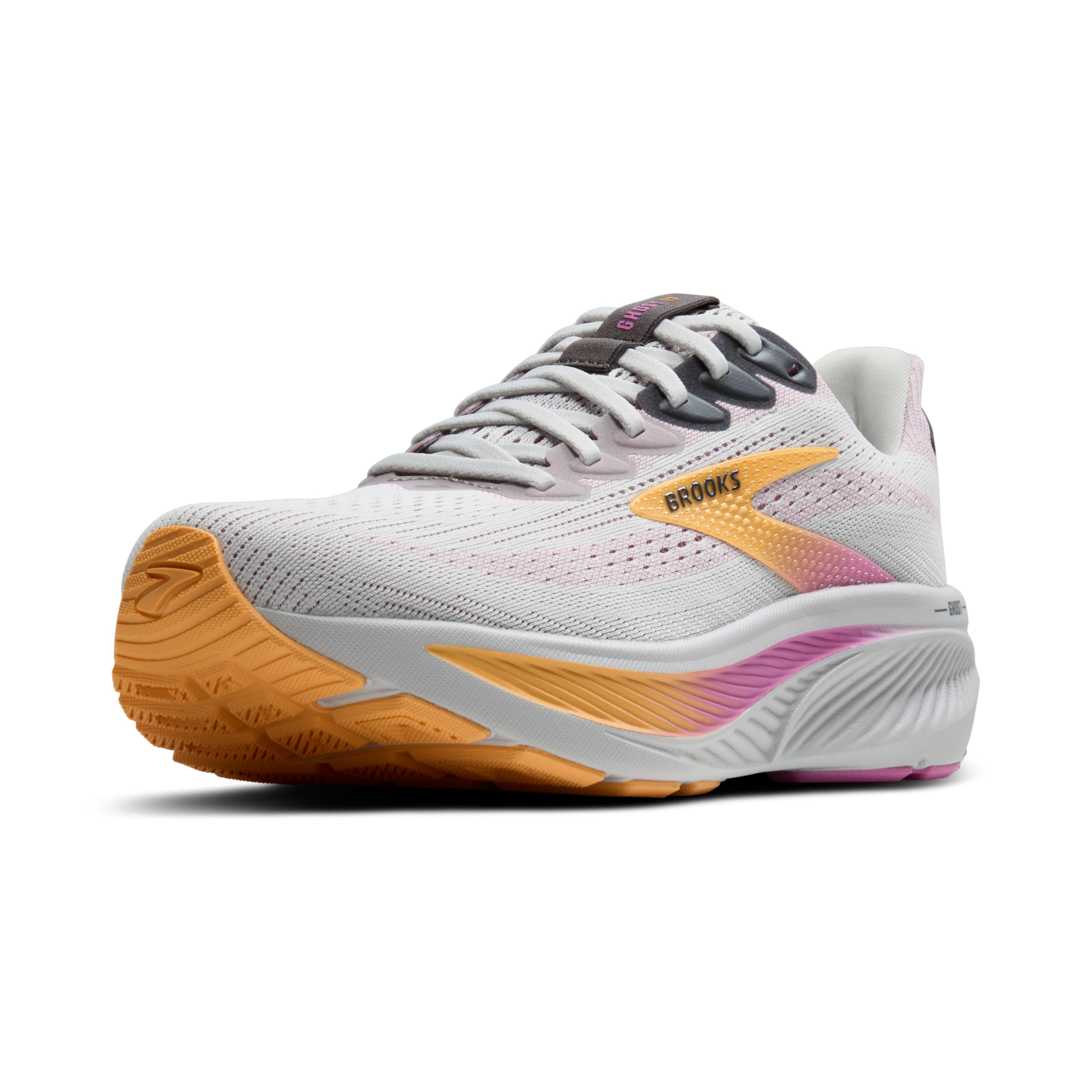
The Brooks Ghost 17 is a solid pick for flat-footed runners who want cushioned, neutral support for daily runs and walks.
Pros
- Soft, responsive cushioning that eases impact.
- Breathable upper keeps feet cooler on longer outings.
- Smooth toe-off for a more natural stride.
Cons
- Neutral support may not suit those needing strong arch correction.
- Not water resistant for wet conditions.
- Some users report fit feeling a bit snug or different from other brands.
Many with low arches will like the Ghost 17 for its plush DNA Loft v3 foam that helps absorb shock and make miles feel easier. The shoe aims for smooth transitions, which can reduce strain for runners who overpronate slightly but don’t need heavy motion control.
The knit upper breathes well and fits snugly around the heel, so it feels secure during walks or light runs. People who use custom orthotics can usually fit them inside, though those needing firm arch support may prefer a stability model instead.
This shoe works best for everyday road running, gym sessions, and travel rather than trail runs or wet-weather use. The Ghost 17 earned positive ratings for comfort, but shoppers should check fit and arch needs before buying.
Brooks Glycerin Stealthfit 22
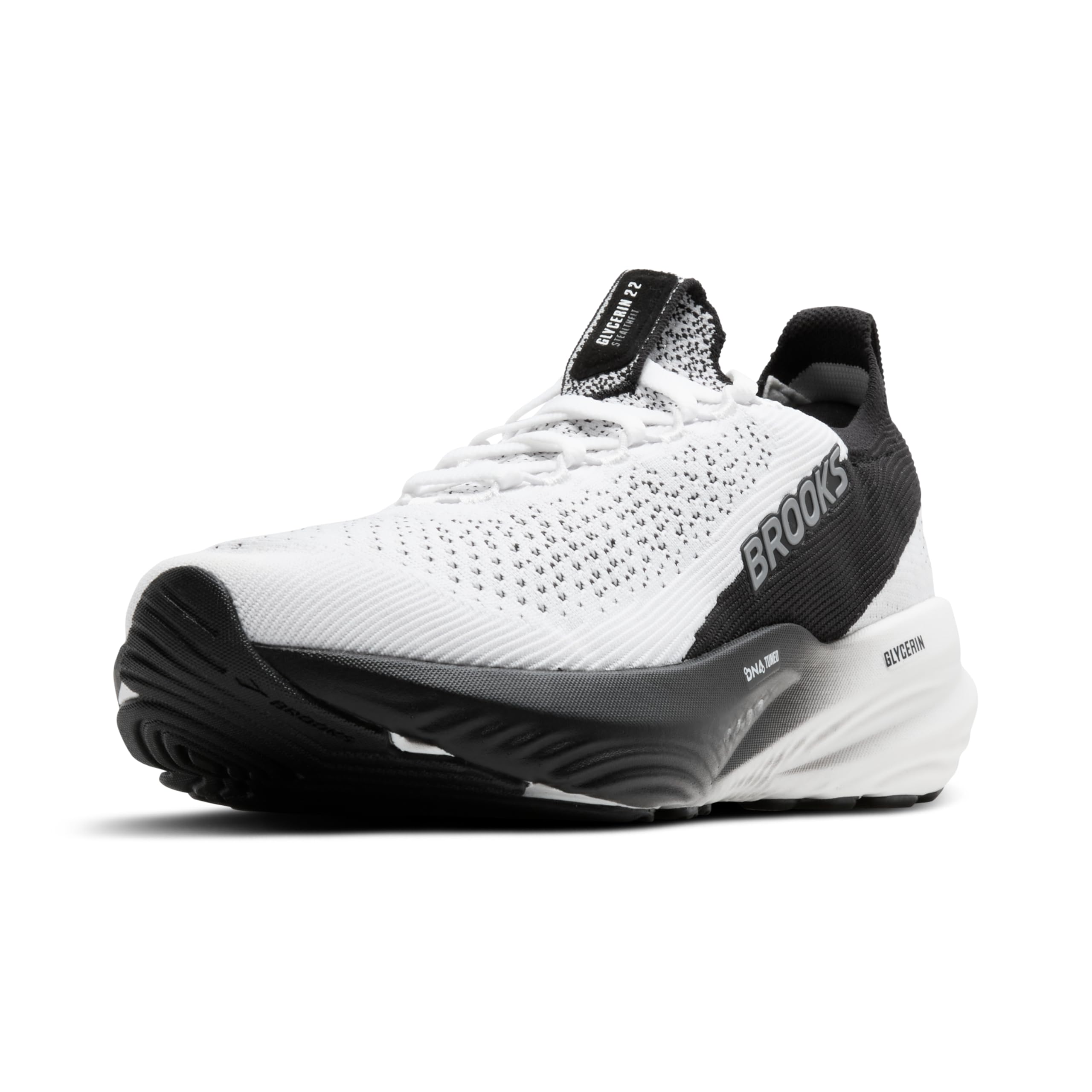
It is a well-cushioned neutral shoe that suits runners with flat feet who want maximum padding and smooth transitions.
Pros
- Plush cushioning that softens heel strikes.
- Roomy, adaptive knit upper for comfort.
- Stable platform for steady heel-to-toe motion.
Cons
- Neutral support may not control severe overpronation.
- Sock-like fit can feel tight for some sizes.
- Not water resistant.
The Glycerin Stealthfit 22 focuses on comfort through heavy cushioning and a tuned midsole. Runners with flat feet who prefer a soft ride will like the plush landings and the responsive forefoot.
Its flat knit upper stretches and compresses with the foot for a snug, adaptive fit. That design helps with comfort during long walks or road runs but might feel snug for wider feet or uncertain size choices.
The shoe gives a broad base that aids stability during transitions. Those needing strong motion control should consider a stability model instead, but many flat-footed runners will find the cushioning and platform helpful for daily training.
Brooks Glycerin GTS 22
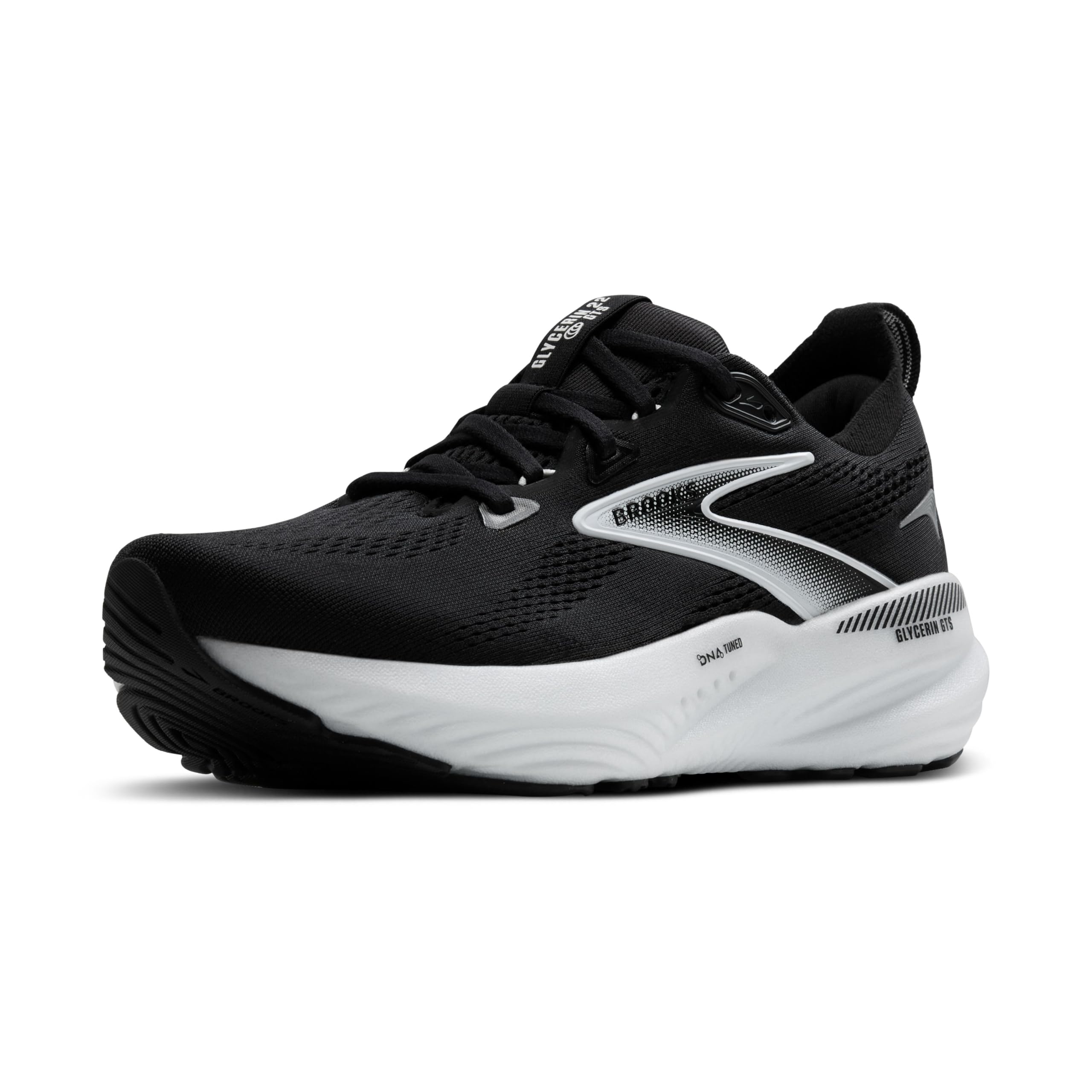
It is a solid pick for flat feet when a runner needs plush cushioning plus extra support to limit excess motion.
Pros
- Plush, well-cushioned ride that eases impact.
- GuideRails support helps control overpronation.
- Breathable, flexible upper that fits comfortably for many.
Cons
- Can feel snug for wider feet; consider sizing up.
- Heavier than minimalist shoes.
- Not water resistant for wet-weather use.
The Glycerin GTS 22 mixes maximum cushioning with Brooks’ GuideRails system. It aims to keep the foot aligned during runs while keeping landings soft.
Runners with flat feet will like the broad platform and stable transitions that reduce inward rolling. The knit upper stretches to fit most shapes but may feel tight for people with wide feet or high volume.
This shoe works well for road runs, gym sessions, and long walks thanks to its balance of comfort and support. Those who need a very light shoe or wet-weather protection might look elsewhere.
ASICS Gel-Kayano 32
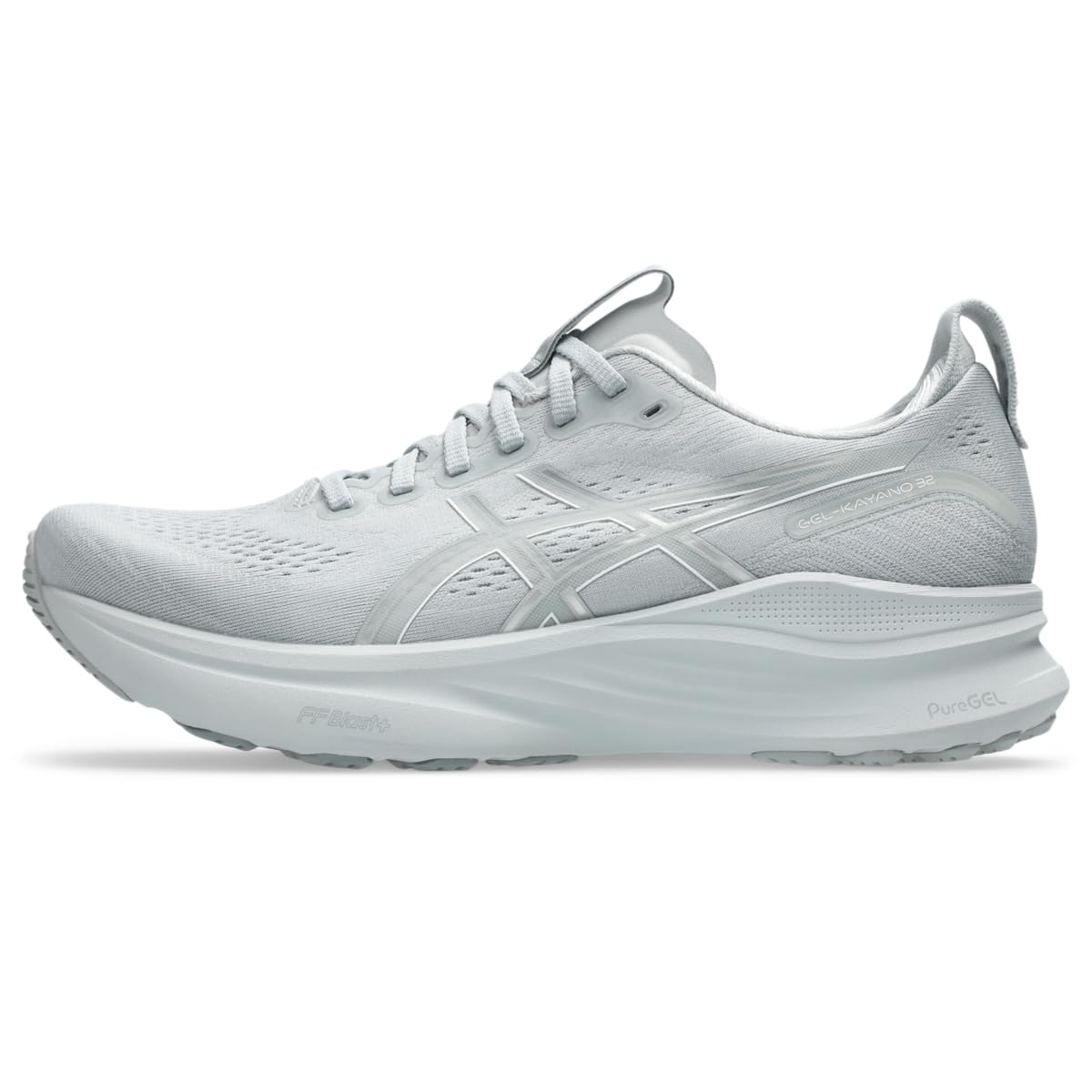
It is a strong choice for runners with flat feet who need steady support and cushioned rides on longer runs.
Pros
- Stable support that helps control overpronation.
- Plush, responsive cushioning for long distances.
- Breathable engineered mesh and easy on/off heel tab.
Cons
- Can fit narrow for some wide-footed runners.
- Higher stack height may feel bulky to minimalists.
- Not water resistant for wet-weather runs.
The Kayano 32 focuses on stability without feeling stiff. Its adaptive guidance pod and PureGEL rearfoot aim to guide the foot and absorb impact through a steady stride.
Runners with flat arches will notice the built-in support and structured midsole. The FF BLAST PLUS foam balances softness with bounce, which helps during long training sessions.
Some users report needing wider sizes or custom insoles for the best fit. Those who prefer a very light, low-profile shoe might find the Kayano heavier than alternatives.
Brooks Ghost Max 3
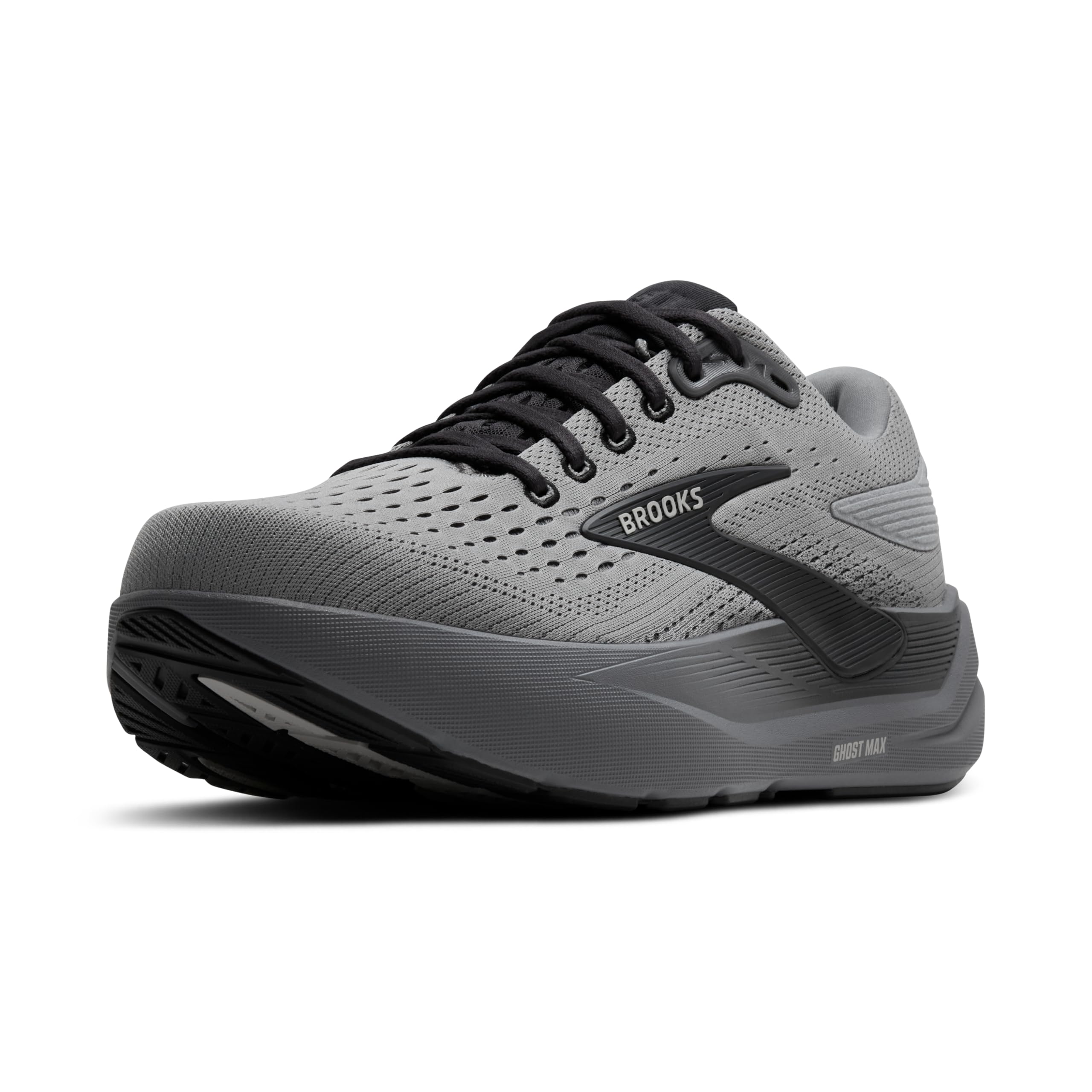
It is a strong choice for runners with flat feet who want maximum cushioning and steady support.
Pros
- Very thick cushioning reduces pressure underfoot.
- Wide base and raised sidewalls add stability.
- Roomy last can fit orthotics or broader feet.
Cons
- Heavier than minimalist or speed-focused shoes.
- Not water resistant.
- May feel bulky for runners who prefer a low-profile ride.
The Ghost Max 3 focuses on comfort and protection. It uses a high stack of DNA Loft v3 foam and a GlideRoll Rocker to smooth the heel-to-toe motion, which can help reduce strain for flat-footed runners.
Its upper blends soft textile and engineered mesh for breathability and a comfortable fit. The shoe’s wider platform and linear last give extra volume, so orthotics or broader feet fit more easily.
Some buyers might find the shoe too heavy for fast workouts or race days. It also lacks water resistance, so wet conditions could be an issue.
Overall, people needing strong cushioning and stable support for everyday runs or long walks will likely prefer this model.
New Balance Arishi V4

The Arishi V4 is a good budget-friendly choice for runners with flat feet who want cushioned support and everyday versatility.
Pros
- Lightweight cushioning that eases impact on flat arches
- Breathable mesh keeps feet cooler during runs or walks
- Simple style works for running and casual wear
Cons
- Not water resistant for wet-weather use
- Some users report fit variations, so sizing can be inconsistent
- Moderate arch support may need an orthotic for severe flat feet
This shoe uses Fresh Foam cushioning to soften each step. It can reduce pressure on flat arches more than firmer, minimal shoes.
The mesh upper helps airflow, which keeps feet from getting too hot on longer outings. No-sew overlays lower bulk and keep the shoe feeling lighter.
Runners with mild to moderate flat feet may find the comfort adequate, but those who need strong arch control might want custom insoles. Check sizing carefully and consider trying them on with the socks or orthotic you plan to wear.
Buying Guide
Choose shoes that offer strong arch support and motion control. They should limit overpronation and keep the foot aligned. He or she should look for firm midsoles that do not collapse easily.
Check cushioning for comfort and shock absorption. Too soft can let the arch fall; too hard can cause pressure points. Look for cushioning that balances support and comfort for long runs.
Look for a stable heel counter and wider base. A firm heel counter keeps the foot from rolling inward. A wider midsole gives a steadier platform on each stride.
Consider insole options and fit. Removable insoles let them try custom orthotics. They should measure fit with socks they plan to run in and allow a thumb’s width at the toe.
Materials and breathability matter for daily wear. Lightweight, breathable uppers reduce sweat and hot spots. Durable outsoles matter for mileage and grip on different surfaces.
Use the table below to compare key features quickly.
| Feature | Why it matters | What to look for |
|---|---|---|
| Arch support | Controls pronation | Firm, structured arch |
| Cushioning | Absorbs shock | Balanced—not too soft |
| Heel stability | Prevents inward roll | Firm heel counter |
| Fit | Comfort and injury prevention | Removable insole, proper toe room |
| Durability | Long-term value | Durable outsole materials |
He or she should try shoes on later in the day when feet are slightly swollen. They should test with a short run or walk before committing.
Editor’s Choice
They picked the Brooks Ghost 15 as the top pick for flat feet. It offers steady cushioning and a wider base for better stability during runs. The shoe supports mild to moderate overpronation without feeling stiff.
Key features:
- Cushioning: Soft BioMoGo DNA foam that balances comfort and responsiveness.
- Support: Structured upper and roomy toe box reduce pressure on the arch.
- Fit: True to size with a secure heel lock to prevent slipping.
Runners with flat feet often need a mix of support and flexibility. This shoe gives a neutral-cushion feel while guiding the foot back to a natural stride. It works well for daily training and longer runs.
They should consider pronation severity and shoe weight before buying. Heavier stability shoes may help severe overpronators more. The Ghost 15 remains a strong, versatile choice for many flat-footed runners.