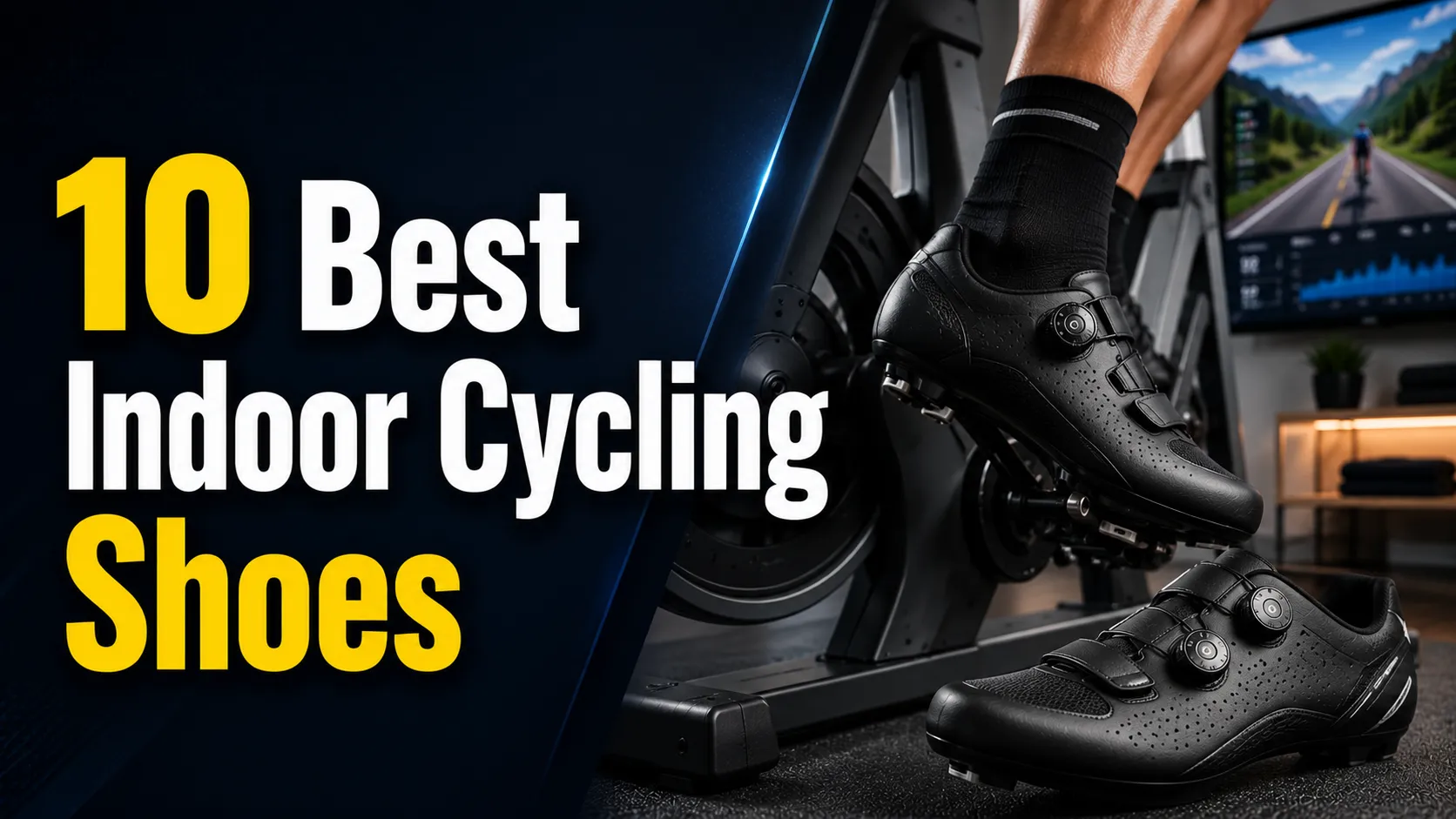
Indoor cycling shoes lock feet to the pedals for a safer, more efficient ride. They come with stiff soles and cleat mounts that transfer power better than regular sneakers and help riders maintain proper foot position during class or training. Riders who plan to spin often or do high-intensity workouts will notice stronger, more consistent pedal strokes and less foot fatigue.
Fit, sole stiffness, cleat compatibility, and ventilation matter most when choosing indoor cycling shoes. A stiff sole improves power transfer but must still fit comfortably; the cleat system needs to match the bike pedals used in most studios; and breathable materials keep feet cool during long sessions. Choosing the right size and cleat type gives the biggest boost in comfort and performance for most riders.
This guide compares the top models, highlights the best shoes for different needs, and explains what to look for before buying. It will help readers find the best indoor cycling shoes for their workouts.
10 Best Indoor Cycling Shoes
Below is a curated list of the best indoor cycling shoes for comfort, fit, and performance. Each pick suits different needs, from budget options to advanced models for serious riders.
Kyedoo Spin Shoes

These shoes are a solid budget pick for indoor cycling, offering pre-installed delta cleats and a breathable knit upper.
Pros
- Includes pre-installed delta cleats so riders can use Peloton-style pedals right away.
- Lightweight, breathable knit keeps feet cooler during classes.
- Velcro straps make the shoes quick to adjust and easy to put on.
Cons
- Some users find the comfort average and recommend sizing up.
- Not water resistant and not made for heavy outdoor use.
- Stiffer nylon outsole may feel firm to riders used to softer soles.
The shoe fits riders who want Peloton compatibility without a high price. It comes with delta cleats pre-installed, so people who own studio or Peloton bikes can clip in fast.
The knit upper helps airflow and keeps the shoe light. Riders will like the three-strap closure because it is fast and simple to tighten.
Durability looks reasonable for indoor use thanks to the carbon nylon outsole. Those who need softer long-ride comfort or wet-weather use may prefer a different model.
Overall, it targets gym and spin-class users who want value and pedal compatibility rather than high-end race performance.
TIEM Slipstream – White Marble

It is a solid choice for riders who want breathable, studio-friendly cycling shoes with SPD compatibility and easy on/off wear.
Pros
- Breathable mesh keeps feet cooler during classes.
- Recessed SPD plate and rubber sole make walking in the studio simple.
- Slip-on design with one strap is fast and tidy.
Cons
- Runs small; many buyers choose a half size down from normal athletic shoes.
- Not compatible with 3-bolt Delta cleats — SPD only.
- Limited water resistance and casual cushioning for long outdoor rides.
The Slipstream focuses on comfort and breathability. The mesh upper and simple strap design make it easy to slip on before class. It does not pretend to be a heavy-duty road shoe.
They build the sole with a nylon shank for pedaling support and a recessed SPD area so users can walk between bikes without clomping. That balance works well for studio riders who need both grip and short walks.
Sizing can be tricky, so buyers should follow the half-size guidance and check returns rules if unsure. Colors and the low-profile look suit riders who want a neat, sporty shoe for indoor cycling.
TIEM Slipstream
They are a solid choice for riders who want a breathable, walkable SPD-compatible shoe for studio classes.
Pros
- Breathable mesh upper keeps feet cooler during classes.
- Recessed SPD area and rubber outsole make studio walking easy.
- Slip-on design with single strap is quick and simple to use.
Cons
- SPD cleats are not included, so buyers must purchase them separately.
- Not compatible with 3-bolt Delta cleats, limiting pedal options.
- Sizing runs recommended at a half size down, which may confuse some buyers.
The Slipstream focuses on comfort and ease. It uses a mesh upper that lets air pass through and feels closer to a gym shoe than a rigid cycling shoe.
Studio riders will like the recessed cleat area and rubber sole. That design helps people walk between the bike and locker without awkward clomping.
This shoe fits like a low-top athletic shoe and has a single strap for quick adjustments. It supports SPD (2-bolt) cleats only, so it works best with common indoor pedals but not with 3-bolt systems.
They come in many colors and aim for a casual look rather than a race-style shoe. Buyers should plan to buy SPD cleats separately and check the half-size down guidance before ordering.
Shimano RP1 Cycling Shoe

It is a solid budget-friendly option for riders who want a versatile, comfortable shoe for indoor and road cycling.
Pros
- Good comfort for long sessions
- Works with SPD and SPD-SL cleats
- Lightweight, breathable build
Cons
- Strap closure limits fine tuning
- Sizing can run small for some
- Not water resistant
The RP1 aims at riders who want one shoe for both spin class and casual road rides. It uses mesh and synthetic leather to keep the foot cool and cut weight. Riders who value simplicity will like the slip-on feel and single strap.
Its fiberglass-reinforced sole helps move pedaling force to the pedals without being overly stiff. That makes it easier to feel power on the bike while still staying comfortable for longer rides.
Compatibility with both SPD and SPD-SL systems gives flexibility when choosing pedals. The shoe fits most indoor sessions well, but buyers should check size charts and consider ordering a half size up if they wear wider shoes.
Overall, it suits someone who wants a dependable, no-frills cycling shoe at a lower price point with good breathability and simple fastening.
Peloton Cycling Shoes (Women 13 / Men 11)

They are a solid pick for Peloton riders who want a secure fit and breathability for long classes.
Pros
- Snug, adjustable fit with ratchet and velcro straps
- Breathable design keeps feet from getting too hot
- Delta-compatible cleats included for easy clipping
Cons
- Narrow fit; wider feet may need a size up
- May feel tight in the toe box on long rides
- Pricier than basic indoor cycling shoes
They offer a stiff sole for efficient power transfer, which helps riders push through longer sessions without constant foot fatigue. The mesh vents and breathable upper aim to reduce sweat and heat during intense classes.
The ratchet clip plus hook-and-loop straps let riders fine-tune the fit quickly between classes. Cleats and tools come with the shoes so assembly is straightforward for delta-compatible bikes.
Some buyers report the shoe runs narrow, so people with wide feet or who like room for socks should consider ordering a half or full size up. The shoes target Peloton Bikes but also work with other stationary bikes that use delta cleats.
Giro Stylus Cycling Shoe – Men’s
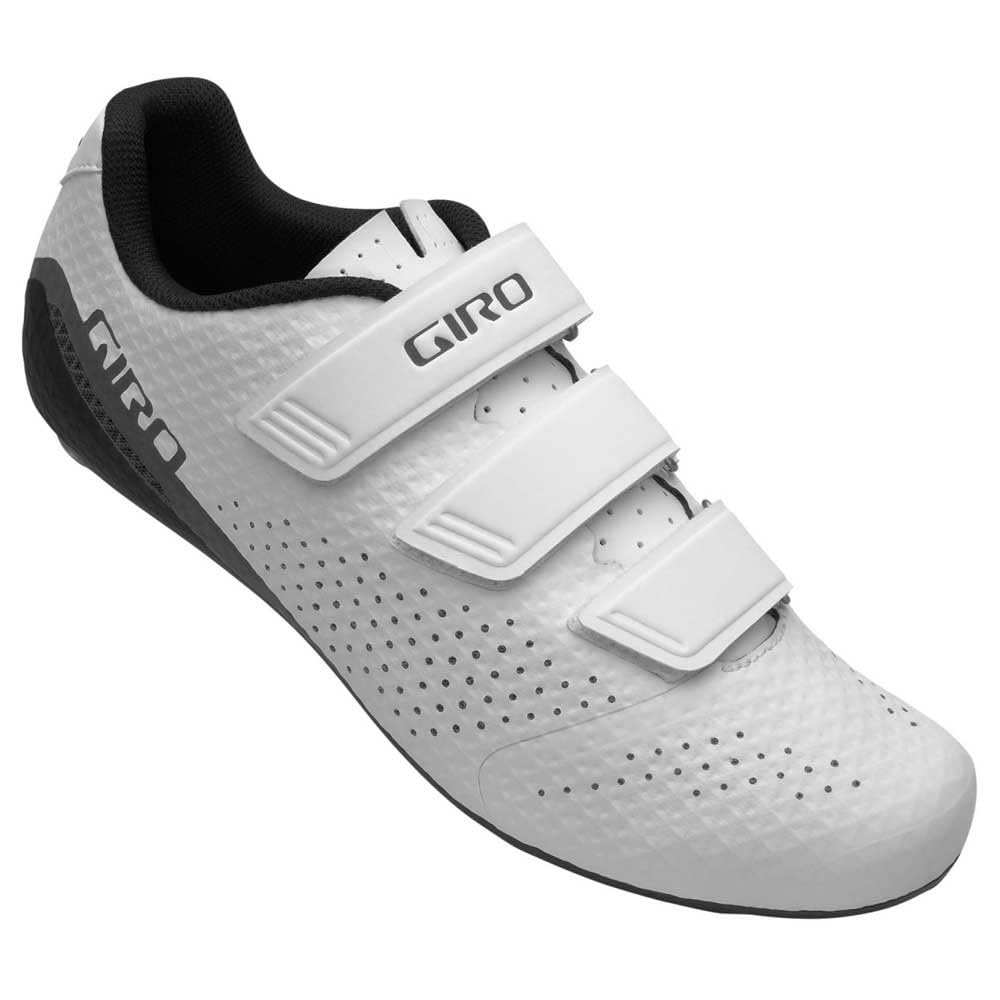
It is a solid choice for indoor cycling if someone wants a breathable, supportive shoe with Velcro straps and a flexible cleat pattern.
Pros
- Breathable, supportive single-layer upper that hugs the foot.
- Easy, familiar Velcro straps for quick adjustments.
- Stiff, lightweight outsole with 3/2 cleat pattern for pedal flexibility.
Cons
- Velcro closure lacks the micro-adjust fit of dial systems.
- Some users find the fit snug and may need to size up.
- Not as stiff as high-end road racing shoes for max power transfer.
The upper uses a thermo-bonded Synchwire material that helps keep the foot cool while holding shape. That makes the shoe feel structured without extra bulk.
Three wide compression-molded hook-and-loop straps let someone tighten or loosen quickly between rides. That simplicity helps when switching trainers or studios.
The outsole blends nylon and glass fiber for decent stiffness at a lower weight. The universal 3/2 cleat insert works with many indoor pedals and road setups.
Overall, it suits riders who want comfort, ventilation, and a straightforward fit on a budget rather than elite race-level stiffness.
Nike SuperRep Cycle 2 Next Nature (Womens)

It is a decent choice for indoor cycling riders who want a breathable, lightweight shoe with visible Air cushioning style.
Pros
- Lightweight and breathable mesh keeps feet cooler.
- Easy hook-and-loop closure for quick on/off.
- Modern look that many find attractive.
Cons
- Not water resistant and may be hard to clean after messy use.
- Fit can run small compared with some other brands.
- Not a dedicated cycling shoe — may lack a stiff sole for heavy clip-in use.
This Nike model borrows Air Max style and a mesh upper to focus on comfort and airflow. Riders who value breathability and a casual cycling shoe will like the feel and the look.
The strap system makes it fast to secure feet before class. People who need a very stiff sole for power transfer or who use pedal clips often may find it less ideal.
They should double-check sizing and plan for returns if unsure, since some reviews note a snug fit. The shoe suits light to moderate indoor cycling and studios where breathability and comfort matter most.
Peloton Altos

It is a solid pick for Peloton riders who want a lightweight, breathable shoe that clips in easily.
Pros
- Lightweight and well-ventilated for sweaty classes
- Simple hook-and-loop strap makes on/off fast
- Delta-compatible for quick clipping on Peloton bikes
Cons
- Feels narrow for some foot shapes
- Build quality has occasional defects reported
- Minimal cushioning for long off-bike wear
The mesh upper keeps feet cool during intense rides. Riders who heat up fast will like how air moves through the jacquard and waffle-mesh lining.
The single strap is easy to use and speeds transitions in class. The glass-filled nylon outsole aims to give a firmer pedal feel and more efficient power transfer.
Some buyers found the fit tight and picked a larger size; others said a pair arrived with flaws. Expect to check fit carefully and use the seller’s warranty if a defect appears.
These shoes are aimed at indoor cycling rather than walking around. They work best clipped into a Peloton Bike or any delta-cleat compatible pedal.
SHIMANO IC100 Indoor Cycling Shoe

It is a solid choice for riders who want a breathable, snug indoor cycling shoe that fits true to size and works with most pedal systems.
Pros
- Breathable mesh keeps feet cooler during intense sessions.
- Versatile 5-hole outsole fits both 2-hole and 3-hole pedals.
- Single cross strap gives a secure, adjustable fit.
Cons
- Lacks water resistance—no protection for wet conditions.
- Moderate cushioning may feel firm to some users.
- Higher price than some basic indoor shoes.
The IC100 focuses on indoor trainers. Its mesh upper aims to move heat away from the foot, which helps in hot rooms. The single hook-and-loop strap holds the midfoot without a lot of fuss.
Power transfer gets attention from the stiff nylon sole and snug fit. That setup helps the pedal stroke feel direct, especially with clip-in pedals. Riders who want precise feel will like the efficient design.
Compatibility stands out. The 5-hole pattern fits both common SPD and road-style cleats, so people can use the same shoes across different bikes or classes. Buyers should note the shoe is not water resistant and offers modest cushioning.
Giro Cadet Cycling Shoes

It is a strong choice for riders who want a stiff, light indoor cycling shoe with a precise fit system.
Pros
- Snug, micro-adjustable fit with BOA for fine tuning.
- Stiff outsole for efficient power transfer.
- Good ventilation and low weight.
Cons
- May run small for some; consider sizing up.
- Not ideal for very wide feet without checking fit.
- Some buyers find materials feel a bit thin.
The Cadet focuses on fit and efficiency. Riders who value a tight, adjustable closure and a stiff sole will like how the shoe locks the foot to the pedal.
Ventilation stands out in the upper, which uses bonded mesh instead of heavy stitching. That helps indoor riders avoid hot, sweaty feet during longer classes.
The BOA dial gives quick micro-adjustment and a reliable release. This makes small fit changes easy between rides.
Overall, it suits cyclists who want lightweight, performance-minded shoes for indoor classes or road sessions where a firm sole and precise fit matter.
Buying Guide
Choosing the right indoor cycling shoes means matching fit, comfort, and pedal compatibility. They should fit snugly without pinching and have a firm sole to transfer power to the pedal.
Look at sole stiffness and material first. A stiffer sole gives better power transfer; a more flexible sole is more comfortable for off-bike walking.
Check cleat compatibility and mounting pattern. Ensure the shoe matches the bike’s pedal system and allows easy cleat adjustment for proper foot angle and comfort.
Consider closure systems and fit adjustment. Velcro, ratchet buckles, and BOA dials offer different levels of micro-adjustment. Multiple closures often provide the best fit for varied foot shapes.
Pay attention to ventilation and weight. Good ventilation keeps feet cool during long rides. Lighter shoes reduce fatigue but should not sacrifice support.
Evaluate insole and heel support. A removable, cushioned insole helps fit custom orthotics. Firm heel cups stabilize the foot and prevent slippage during sprints.
Think about walkability if they will be used off the bike. Tread and sole thickness affect comfort when walking to and from the bike area.
Use a short checklist when shopping:
- Measure feet at the end of the day for true size.
- Try shoes with the socks you plan to wear.
- Test cleat position on a trainer or stationary bike before long rides.
They should balance comfort, fit, and pedal efficiency to match the rider’s goals and riding style.
Editor’s Choice
The Editor’s Choice pick balances fit, stiffness, and comfort for most indoor cyclists. It fits true to size and offers a stiff sole that improves power transfer without feeling harsh.
It uses a simple dial or velcro closure that stays secure during hard efforts. The upper breathes well, which reduces hot spots and keeps feet drier on long rides.
Key features:
- Stiff carbon or composite sole for efficient pedaling.
- Secure closure (BOA or velcro) for micro-adjustments.
- Breathable upper to cut sweat and rubbing.
They tested the shoe across bike types and foot shapes. It performed well on spin bikes and indoor setups with 3-bolt cleats.
Many riders will like the balance of performance and comfort. The price sits in the mid-range, offering strong value without cutting important features.
FAQS
What makes a shoe good for indoor cycling?
A good indoor cycling shoe fits snugly, has a stiff sole, and works with the bike’s pedal system. Comfort and ventilation also matter for long rides.
Do indoor cycling shoes work with all spin bikes?
Not always. Many bikes use SPD or Look Delta cleats. Riders should check the pedal type and choose shoes with compatible cleat mounts.
How should shoes fit for best performance?
Shoes should feel snug but not painful. Toes need a little wiggle room and the heel should not slip. She can test fit with cycling socks.
Are clipless shoes necessary for beginners?
They are not required, but clipless shoes improve power transfer and control. Beginners can start with flat-soled shoes or pedals with toe cages.
How to care for indoor cycling shoes?
Wipe shoes after use and let them air dry. Remove insoles occasionally and wash them if needed. Avoid leaving shoes in direct sun or near heaters.
What is the difference between road and indoor cycling shoes?
Road shoes often have three-bolt (Look) mounts and very stiff soles. Indoor/MTB-style shoes use two-bolt (SPD) mounts and may feel more flexible. Choice depends on the pedal system and comfort.
Are cleats easy to install?
Yes. Most cleats bolt to the sole with simple tools. They allow minor fore-aft and angle adjustments for comfort and knee safety.
Conclusion
Choosing the right indoor cycling shoes helps improve comfort, power transfer, and safety during rides. Riders should match shoe compatibility, closure type, and fit to their pedal system and riding style.
For most people, a stiff sole with good ventilation and a secure closure offers the best balance of performance and comfort. Budget-friendly options work for casual riders, while stiffer, lighter shoes suit those who train hard or race.
They should try shoes with the socks and insoles they plan to use to check fit. Look for firm heel hold, no pinch points, and even pressure across the foot. Returns and exchange policies matter if sizing is uncertain.
If they use clipless pedals, they should confirm cleat pattern compatibility before buying. Beginners can choose shoes with recessed cleats or multi-plate designs for easier walking. Spin studio riders may prefer slip-on or non-clip shoes if pedals are shared.
A short checklist helps pick the best shoe:
- Confirm pedal and cleat compatibility.
- Test fit with cycling socks and insoles.
- Prefer stiff sole and secure closure.
- Consider ventilation and weight for comfort.
They will ride more comfortably and effectively when shoes match needs and pedals. Investing time to pick the right pair pays off in performance and fewer foot issues.