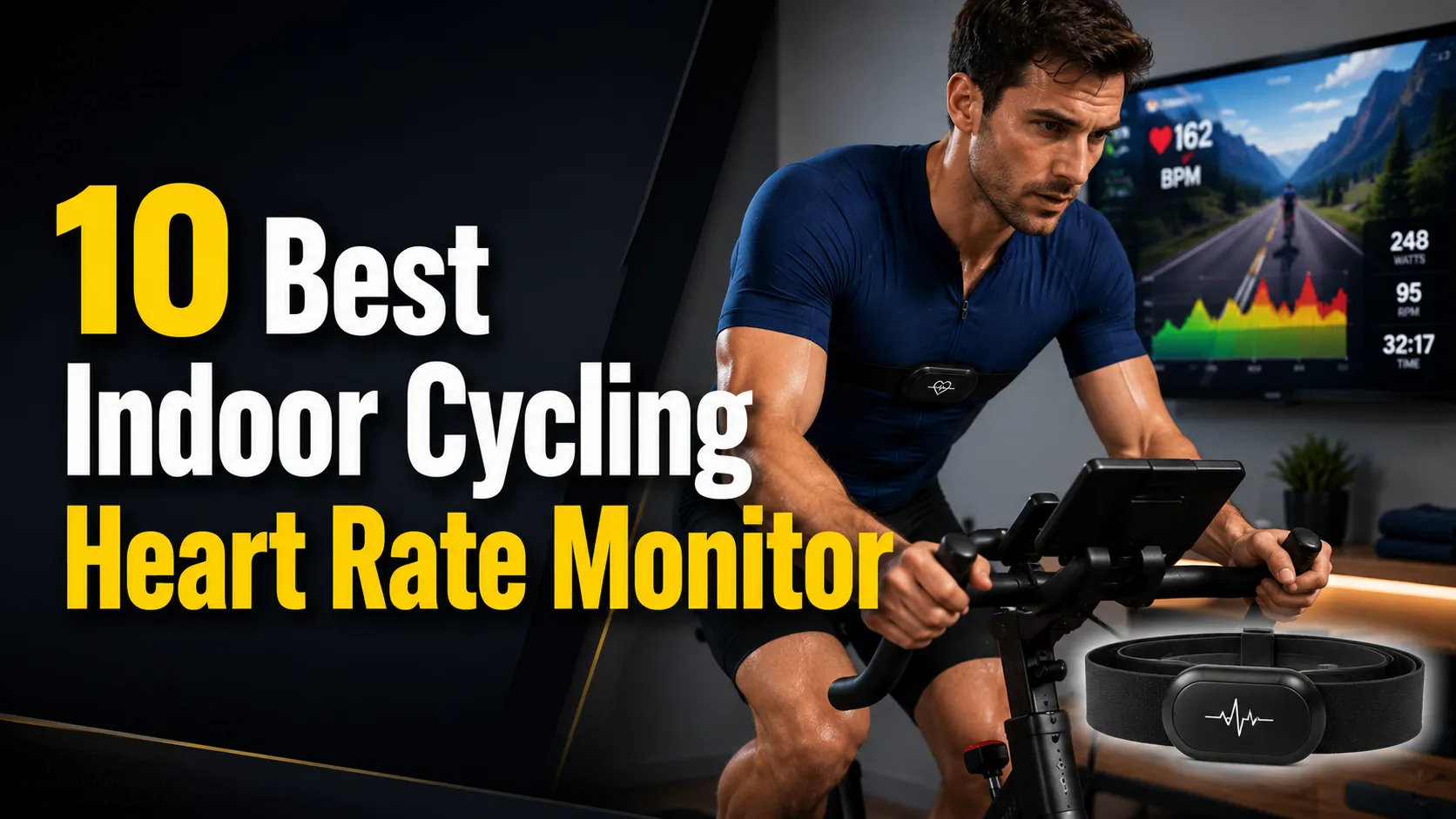
Indoor cycling has become a popular way to get a hard workout without leaving home. Heart rate monitors for indoor cycling track effort, help riders train in the right zones, and give clear feedback on progress. They range from chest straps that send precise heart-rate data to wrist or armband devices that pair directly with bikes and apps.
Choosing the right monitor comes down to accuracy, connectivity, and comfort. Accuracy matters for interval and zone training, while Bluetooth/ANT+ compatibility determines which trainers, apps, and bike computers a monitor will work with. Comfort and battery life also affect whether a rider will wear the device for long sessions. A reliable indoor cycling heart rate monitor must deliver accurate heart-rate data and pair easily with your trainer or app. This article tests and compares top models to find the best options and explain what to look for in a purchase.
10 Best Indoor Cycling Heart Rate Monitors
Below is a carefully chosen list of the best indoor cycling heart rate monitors for accuracy, comfort, and ease of use. Each option fits common needs—budget, features, or training-level—to help cyclists pick the right device quickly.
LFEYYD Exercise Bike
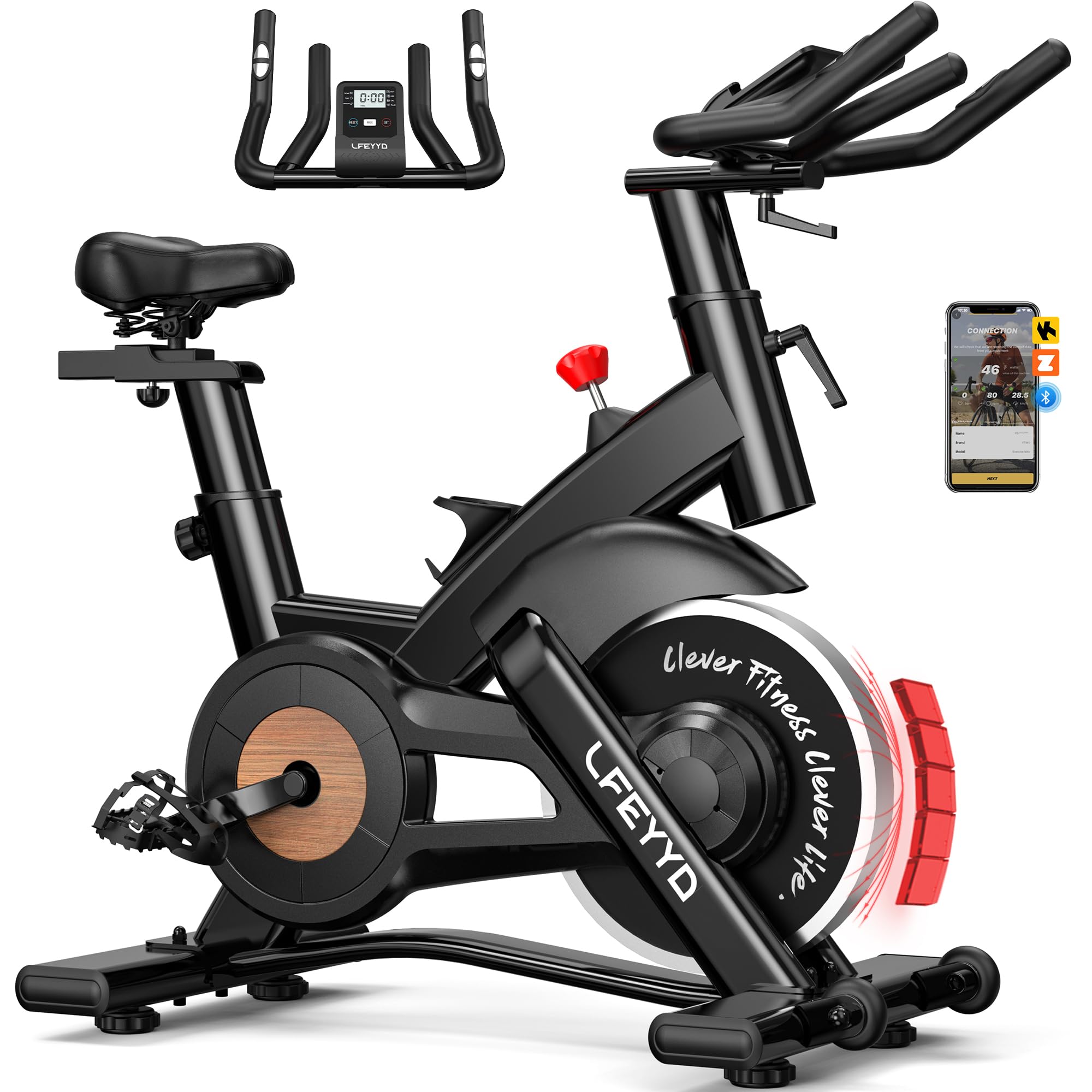
It is a solid choice for riders who want a quiet, stable indoor bike with heart rate sensing and app connectivity.
Pros
- Very stable frame that reduces wobble.
- Near-silent operation good for shared spaces.
- Bluetooth apps and built-in pulse sensors for guided rides.
Cons
- Heavy box and parts make moving and setup harder.
- Handlebar pulse sensors may be less accurate than a chest strap.
- Some included offers and support details can be unclear.
The bike feels built for steady indoor training. Its heavy steel frame and wide anti-slip feet aim to keep sprints and standing climbs from rocking the machine.
Users who want quiet sessions will like the low-noise drive and belt system. The bike links with Zwift and other apps, so riders can join virtual classes or structured workouts.
Adjustments for seat and handlebars let many body sizes find a decent fit. The simple display shows time, speed, distance, calories, and pulse for basic tracking.
Assembly takes some time and two people may help with the heavy components. Buyers who want very precise heart rate data might add a separate chest strap for better accuracy.
COROS HRM Armband
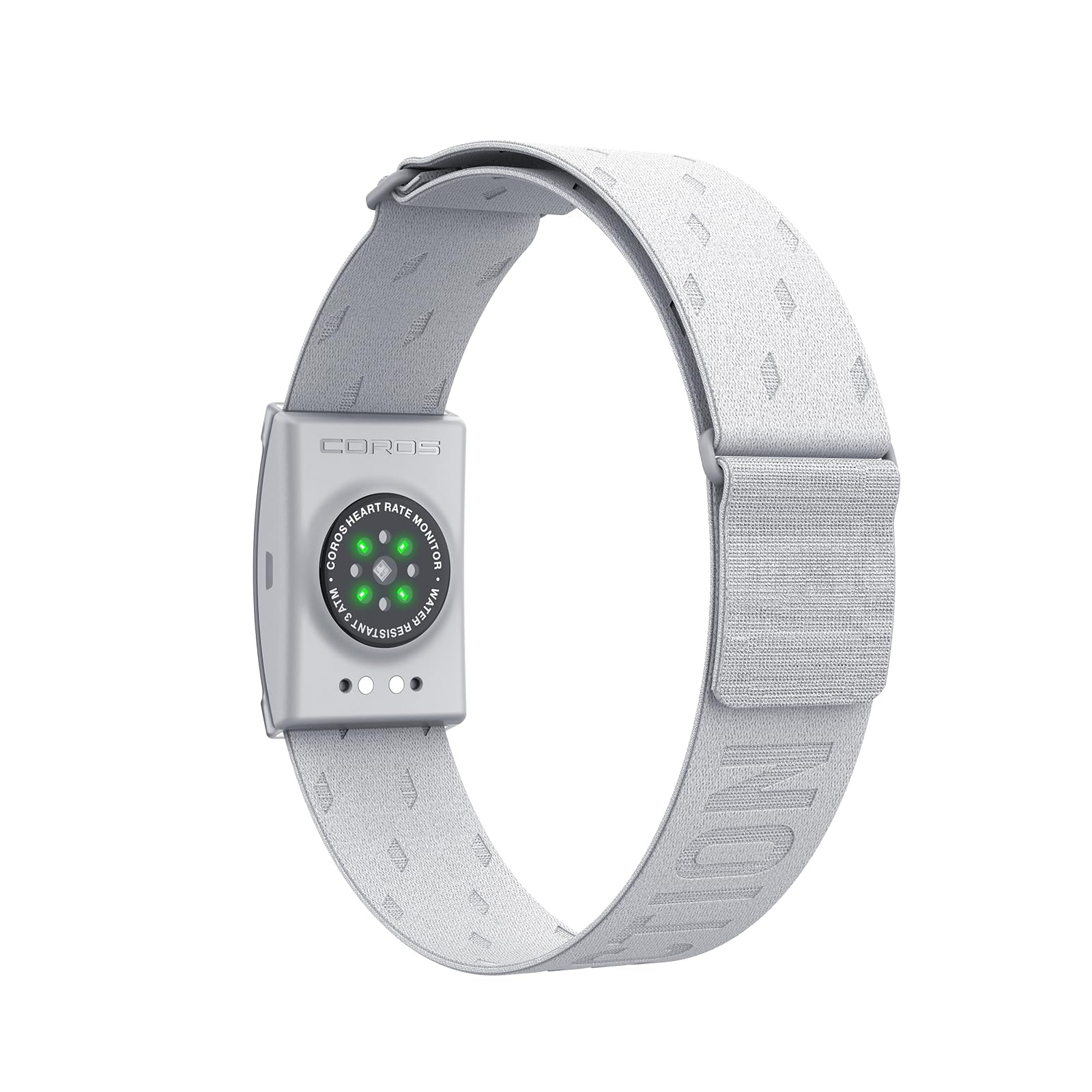
It is a solid choice for indoor cycling riders who want comfort and reliable heart rate data without a chest strap.
Pros
- Comfortable fabric band that sits on the arm.
- Accurate heart rate readings with a modern sensor.
- Long battery life and quick magnetic charging.
Cons
- Bluetooth only — no ANT+ support.
- Needs COROS app or compatible device for full features.
- Band size may fit loosely on smaller arms.
The armband design stays flat and feels less intrusive than chest straps, which helps during long indoor rides. It pairs with multiple devices at once, so riders can connect a trainer, phone, and watch together.
Battery lasts many hours of active use and recharges quickly with a magnetic cable. Wear detection turns the unit on and off automatically, cutting down on manual steps before a workout.
Connectivity excludes ANT+, so some bike computers may not work with it. Riders who rely on non-Bluetooth equipment should check compatibility before buying.
Overall, it suits indoor cyclists who value comfort and accurate data and who use Bluetooth-compatible trainers or apps.
CYCPLUS H2Pro Chest Strap
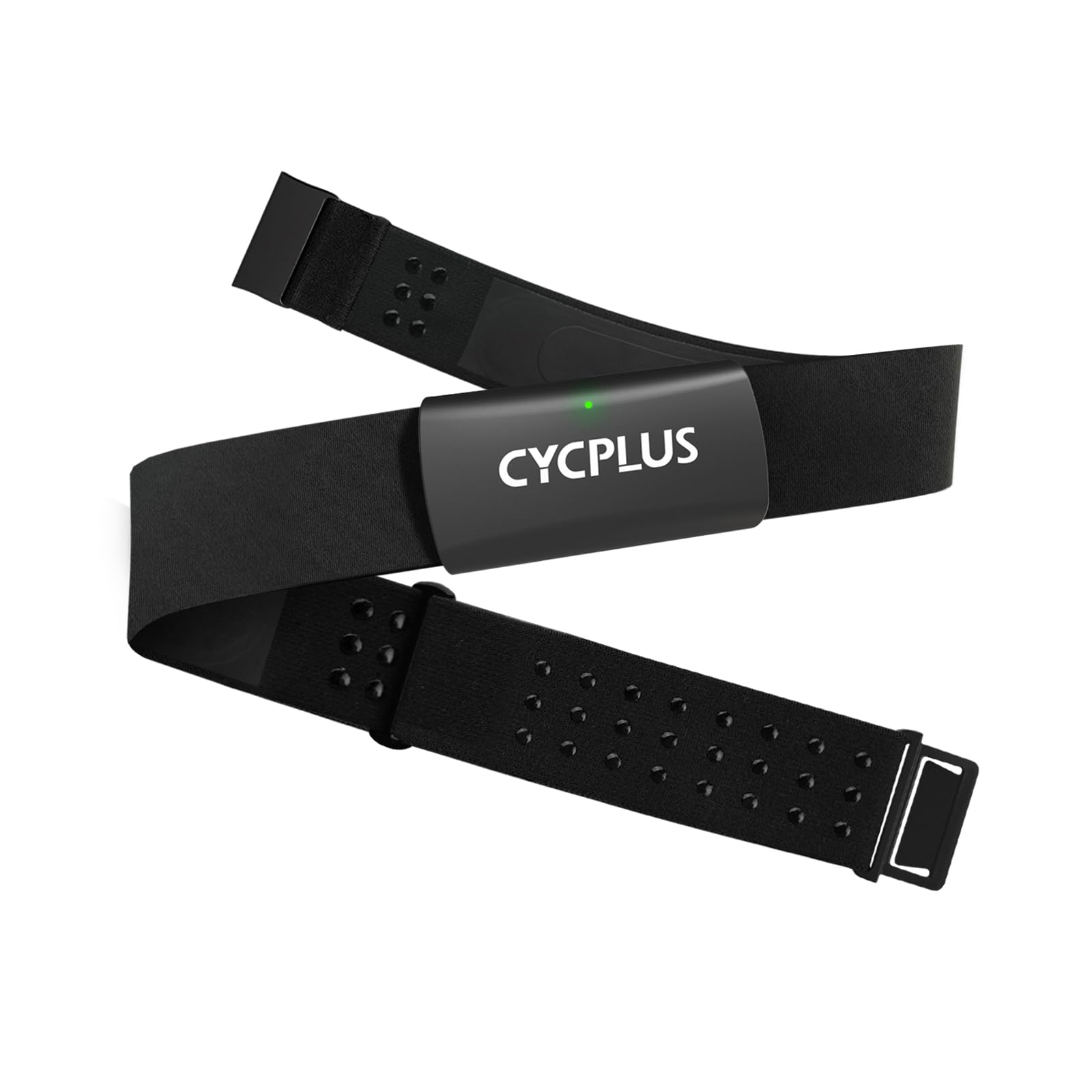
It is a solid, budget-friendly chest strap that gives accurate ECG heart-rate data and long battery life, so buyers who want reliable indoor cycling monitoring should consider it.
Pros
- Accurate ECG-based readings reduce noise from motion.
- Very long battery life so replacements are rare.
- Connects to common apps and devices via Bluetooth and ANT+.
Cons
- Occasional connectivity drops reported during some rides.
- Needs belt electrode moistened in very dry conditions.
- App pairing can be confusing for some phones.
The H2Pro focuses on clean, chest-based heart-rate sensing. It uses an ECG algorithm to capture R-wave peaks, which helps with stable readings during indoor cycling and higher-intensity efforts.
It pairs with many cycling apps and computers through Bluetooth and ANT+, so it fits most indoor setups. Users who track HRV or want precise training data will find the sensor useful.
Comfort is a strong point: the strap is light and breathable and comes with an adjustable band. The device is IPX7 rated, so it survives sweat and quick exposure to water during intense sessions.
Some people report intermittent connection drops, especially in long Zwift or ANT+ setups, so pairing stability may vary by device. If a sensor won’t transmit, wetting the belt electrode often fixes the problem.
Buyers seeking a low-cost, accurate chest strap for indoor cycling will likely get good value from the CYCPLUS H2Pro. Check the product page for current price and compatibility details: CYCPLUS Heart Rate Monitor Chest Strap H2Pro.
CooSpo H6 Chest HR Monitor

It is a solid, budget-friendly chest strap that gives accurate live heart-rate data for indoor cycling, but some users report occasional pairing and durability issues.
Pros
- Accurate real-time heart rate for training
- Works with Bluetooth and ANT+ devices
- Compatible with many apps and bike systems
Cons
- Can lose connection with some devices or apps
- Chest strap may need frequent moistening for stable reads
- Durability and long-term reliability vary by unit
The CooSpo H6 focuses on delivering precise heart-rate numbers for riders who want focused training indoors. It links to phones, trainers, and bike computers using both Bluetooth and ANT+, which makes it flexible for different setups.
Riders who use apps like Zwift, Strava, or Peloton can pair this sensor without buying extra hardware. The chest strap format usually gives steadier data than wrist sensors during hard efforts.
Some buyers noted intermittent disconnects, especially when switching apps or moving away from the phone. The strap needs moisture on the electrodes for reliable transmission, and a few users said units stopped working after about a year.
This monitor is a reasonable choice for cyclists on a budget who want accurate live heart-rate data and broad device support, as long as they accept possible connection hiccups and treat the strap gently.
Generic Replacement Monitor (TS JP040)

This monitor can work as a low-cost replacement for many stationary bikes but may need adapters or rewiring to function correctly.
Pros
- Inexpensive alternative to OEM monitors
- Wired design fits many older bikes with 3.5 mm jacks
- Simple LCD that shows basic metrics like speed and heart rate
Cons
- Often requires adapter cables or internal rewiring
- Does not include batteries or hookup cables
- Mixed user reports about inconsistent pulse, time, and distance tracking
The monitor suits buyers who need a basic, budget replacement and are comfortable doing minor wiring or using adapters. It connects by wired 3.5 mm jacks, so it pairs well with bikes that already use those ports.
Some users find it matches OEM function and saves money. Others report loose connectors or trouble getting the pulse sensor and cadence to work without modification.
Expect minimal features and no extras in the box. The package contains only the monitor, and AAA batteries and any adapter cables are not included, so factor those costs in before buying.
Powr Labs Heart Rate Armband
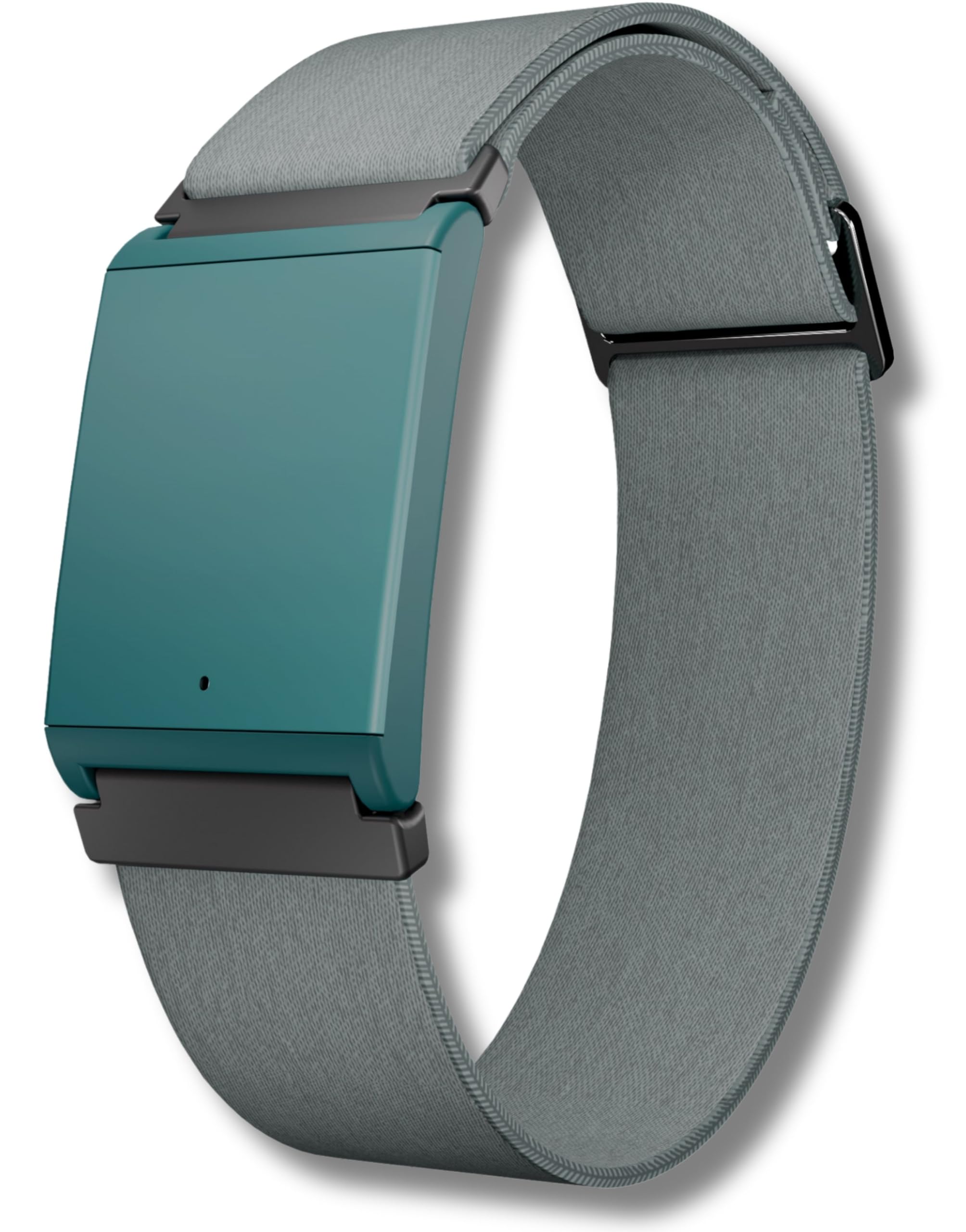
It is a budget-friendly armband that works with Peloton and other apps while offering stable dual-band connections and reliable optical heart rate tracking.
Pros
- Connects to Peloton, Zwift, Wahoo, Garmin, and more at once.
- Auto-wear detection and lightweight fit make it easy to use.
- Lower price than similar models while keeping key features.
Cons
- Some users report early charging or connectivity hiccups.
- A few units failed to record during exercise for some buyers.
- Charging cable and initial setup can be tricky for some people.
The armband broadcasts via Bluetooth and ANT+ so riders can feed heart rate to a bike, phone app, and watch at the same time. This helps when someone wants Peloton data and a separate training app to record sessions.
It claims consistent optical accuracy for zone training and interval work. The light silicone strap aims to prevent bounce and chest-strap discomfort during long rides.
Battery life varies by use; some reviews say it lasts long, while a few note it can lose connection if not charged regularly. Buyers should expect solid value but be aware occasional units may need troubleshooting.
CYCPLUS H1 Armband HR Monitor

It is a solid choice for cyclists who want accurate, long‑lasting heart rate data without wearing a chest strap.
Pros
- Accurate readings close to chest-strap levels.
- Long battery life and quick magnetic charging.
- Dual Bluetooth + ANT+ makes pairing easy with many devices.
Cons
- LED zone lights are basic and may be hard to read in bright light.
- Armband fit can feel loose for some users.
- A few users reported pairing or short-term failures.
The armband frees the wrist and uses an optical sensor to report heart rate with claimed ±1 bpm accuracy. It shows simple color LEDs for zones and sends data over Bluetooth 5.1 or ANT+ to bike computers, phones, and watches.
Charging takes about 30 minutes and the battery can last many hours, which helps for long training blocks and multiple rides. The band is lightweight and water resistant, so sweat and light rain are less of a worry.
Some buyers found pairing smooth with Garmin and Wahoo gear, while a minority saw early failures or connection slowdowns with certain rowers or treadmills. Fit can be solved by swapping the strap or adjusting placement on the arm.
For more details and to buy, see the product page: CYCPLUS H1 Armband HR Monitor.
COOSPO H6M Chest Heart Rate Monitor
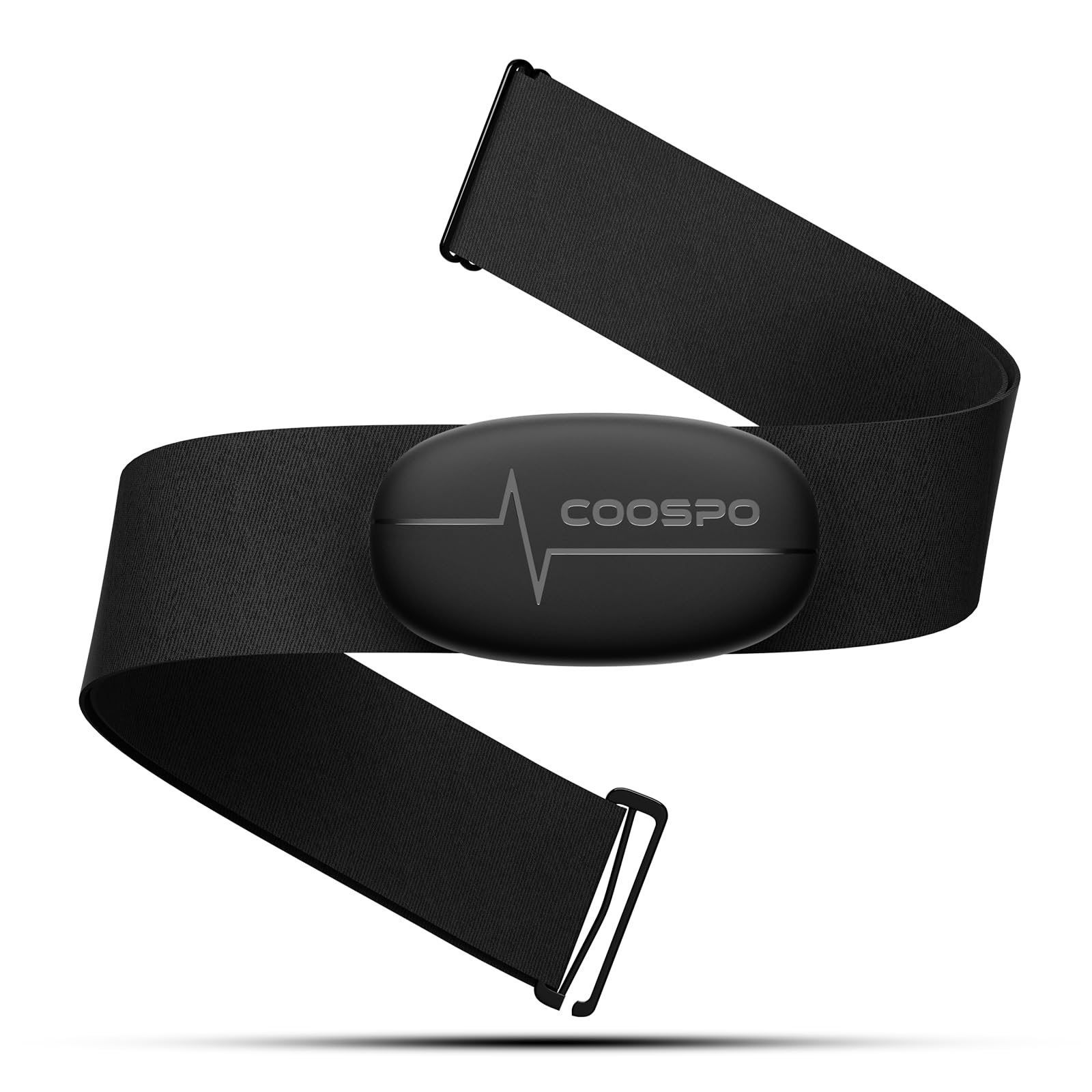
It is a solid budget chest strap for indoor cycling that offers accurate heart rate data and wide app compatibility, but longevity and strap durability can be hit or miss.
Pros
- Good accuracy for training zones and cycling apps
- Works with Bluetooth and ANT+ so it pairs with most apps and bikes
- Long battery life per change, simple coin-cell swap
Cons
- Some users report strap or sensor failures after months
- Not recommended for swimming despite water resistance rating
- Occasional pairing/transmit issues reported by a few owners
The H6M targets riders who want reliable heart rate numbers without a big price tag. It sends clean data to Zwift, Peloton, Strava, and many bike computers via Bluetooth or ANT+.
Comfort gets positive notes from many buyers because the band feels soft and stays in place during rides. The chest strap design also tends to give steadier readings than wrist sensors for interval work and threshold sessions.
Durability varies between units: some owners use it for years, while others found the strap or sensor failed after weeks. Removing the battery when not in use can help avoid unwanted constant transmission and save battery life.
Overall, it suits indoor cyclists who need consistent heart rate tracking on a budget and who accept possible trade-offs in long-term reliability.
Buying Guide
Choosing the best indoor cycling heart rate monitor means matching features to training goals. They should check accuracy first, since precise heart data guides safe and effective workouts.
Look for connectivity options like Bluetooth and ANT+. These let the monitor pair with bikes, apps, and watches. Long battery life matters for frequent riders; consider rechargeable or easily replaceable batteries.
Comfort affects consistency. Chest straps often give steadier readings, while wrist or armband units may feel easier to wear. Water resistance is useful for sweaty sessions and easy cleaning.
Evaluate data and display features. Clear real-time readouts help during intervals. More advanced metrics can include HR zones, average and max heart rate, and recovery info. Ensure the monitor syncs with the rider’s preferred apps and training platforms.
Think about fit and adjustability. A snug, adjustable band reduces motion noise and false spikes. Lightweight, low-profile designs prevent irritation during long sessions.
Consider price versus features. Basic models cover heart rate tracking well. Higher-priced units add metrics, better connectivity, or built-in coaching. Choose what provides the most value for the user’s training needs.
Check warranty and support. Good customer service and a solid warranty protect the purchase. Reliable firmware updates also extend device life.
Editor’s Choice
The editor picks the Wahoo TICKR X as the best indoor cycling heart rate monitor. It pairs quickly with bikes, phones, and fitness apps. The chest strap gives steady, second-by-second heart rate data that helps riders train by zones.
It records workouts on the device, so riders can leave their phone nearby. Battery life lasts many rides and the strap is comfortable for long sessions. Accuracy holds up during high-intensity intervals and steady-state efforts.
Key features:
- Connectivity: Bluetooth and ANT+ for wide app support.
- Memory: Onboard workout storage for phone-free sessions.
- Comfort: Adjustable strap with soft fabric and low profile.
The editor notes its price is midrange but says the durability and data quality justify the cost. It works well for both beginners and experienced cyclists. Many trainers use it in studios because it stays put during out-of-saddle efforts.
FAQS
How accurate are indoor cycling heart rate monitors?
Most chest straps give the best accuracy because they read electrical signals from the heart. Wrist watches and optical sensors are good for general pacing but can lag during rapid changes.
Which type is best for spinning classes?
Chest straps or arm bands usually work best in high-intensity classes. They stay snug and avoid the motion artifacts that affect wrist sensors.
Do all monitors connect to gym bikes and apps?
Many monitors use Bluetooth or ANT+ to connect to bikes, trainers, and apps. Users should check compatibility before buying.
How long do the batteries last?
Battery life varies: coin cell batteries in chest straps can last months, while rechargeable watches may need charging every few days. Usage and continuous sensing change how long a charge lasts.
Can sweat affect performance?
Sweat can actually improve chest strap contact and accuracy. Excessive moisture can cause slippage for wrist sensors, so a snug fit helps.
Is heart rate training better than power-based training?
Heart rate monitors help track effort and recovery. Power meters give instant output numbers. Many cyclists use both for a fuller picture.
How should one set heart rate zones?
Zones can be set by a lab test, a field test, or estimated from age-based formulas. Individual tests give the most accurate zones.
Are there budget options that still work well?
Yes. Several affordable chest straps and basic optical monitors offer reliable data for most riders. Check reviews and compatibility before buying.
Conclusion
A reliable heart rate monitor helps riders train smarter and safer. It gives clear data during indoor sessions and links to popular apps for tracking progress.
Chest straps usually offer the best accuracy for interval work. Wrist and optical sensors add comfort and ease for everyday rides.
Riders should match features to goals: accuracy, app compatibility, battery life, and comfort. Price matters, but mid-range options often balance performance and value.
Key tips:
- Prioritize accuracy for high-intensity training.
- Choose Bluetooth/ANT+ if using multiple devices.
- Check battery type and strap fit before buying.
They should test a monitor for a few rides to confirm comfort and data stability. If readings jump or drop, try repositioning or switching modes.
A smart pick will stay accurate over time and fit the rider’s routine. This makes indoor cycling sessions more productive and enjoyable.